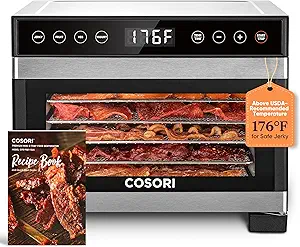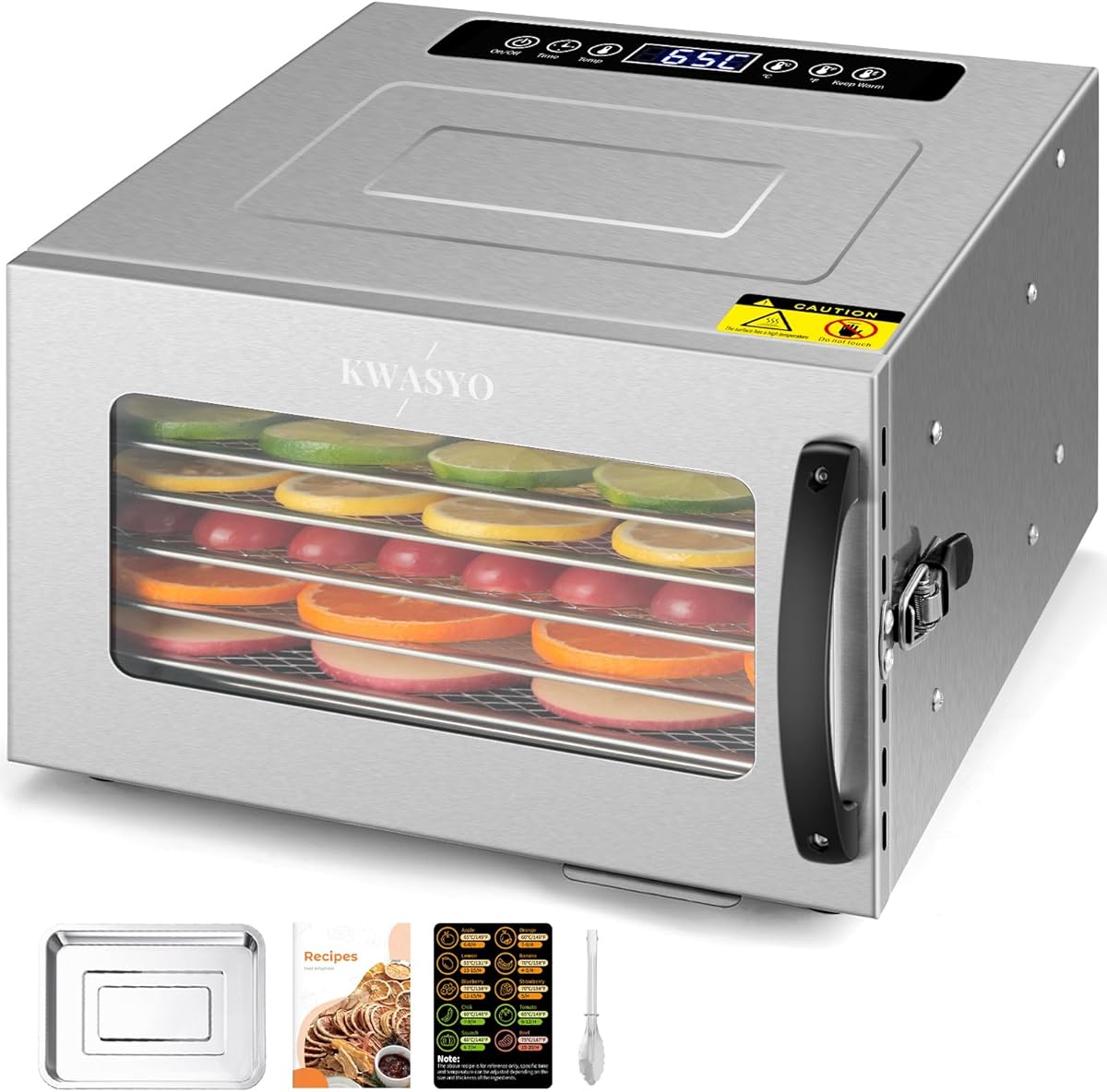
Choosing a Stainless Steel Dehydrator: What 400W and 6 Trays Really Mean
This specific 6-tray, 400W stainless steel dehydrator represents a mid-range option balancing capacity with household power consumption. The all-stainless construction promises durability and easier cleaning compared to plastic models, while the digital timer offers precise control for various foods. Understanding how these specifications translate to real kitchen performance is crucial for buyers considering this model.
Key Considerations Before Buying
- The 400W heating element determines drying speed; for this 6-tray unit, it must efficiently circulate air to prevent uneven drying, especially on lower trays where moisture accumulates.
- Stainless steel trays resist staining from fruits like berries and won't absorb odors from jerky or herbs, but verify if the entire air path is metal, as some models use plastic internal components.
- The 0-24 hour digital timer should offer automatic shut-off, a key feature for overnight dehydration of tougher items like beef jerky or fruit leathers without supervision.
What Our Analysts Recommend
Examine reviews for mentions of consistent temperature across all six trays, as this is a common failure point in vertical-flow dehydrators. Quality indicators include specific feedback on the durability of the tray mesh (fine for herbs, sturdy for jerky) and noise level during operation, as a loud fan can be disruptive in a home kitchen.
Dehydrators Market Context
Market Overview
The home dehydrator market has shifted toward stainless steel construction for health and durability concerns, with 400-600W models dominating the mid-capacity segment. Digital controls are now standard, replacing analog dials for more repeatable results.
Common Issues
Vertical dehydrators often struggle with uneven drying, where bottom trays finish first, requiring tray rotation. Another frequent complaint is poor manual clarity, leading to user error in food preparation or temperature settings for different items.
Quality Indicators
Look for models with a rear-mounted fan and heating element, which typically provide better airflow than bottom-mounted designs. High-quality stainless steel will have rolled edges on trays to prevent cuts and consistent weld points that won't trap food particles.
Review Authenticity Insights
Grade B Interpretation
A Grade B authenticity rating with a 10% estimated fake review rate suggests generally reliable feedback, but advises cautious interpretation of extreme ratings. The adjusted rating of 4.20/5 (down from 4.44) indicates some review inflation, though the majority of experiences appear genuine.
Trust Recommendation
Focus on reviews that detail specific use cases, like making jerky, drying herbs, or creating fruit rolls, as these demonstrate actual product experience. Be particularly skeptical of reviews that only praise generic features without mentioning food outcomes or compare it vaguely to 'other brands'.
Tips for Reading Reviews
For dehydrators, prioritize reviews that discuss batch consistency, ease of cleaning the stainless trays, and real-world drying times for common items. Look for mentions of how the 400W motor performs when all six trays are fully loaded, as this tests the unit's true capacity.
Expert Perspective
This dehydrator's specifications position it as a serious home unit, with stainless steel addressing longevity concerns common in plastic models. The 4.20 adjusted rating from over 2,100 reviews indicates solid user satisfaction, though the authenticity analysis suggests minor review manipulation exists. The 400W power is adequate for a 6-tray design but may require longer drying times for dense items compared to higher-wattage commercial units. The digital timer is a significant upgrade for precision, especially for temperature-sensitive foods like herbs or yogurt.
Purchase Considerations
Consider your primary use: the 6-tray capacity suits regular gardeners preserving harvests or families making snacks, but may be excessive for occasional herb drying. Weigh the stainless steel's cleaning advantage against potential higher cost compared to plastic-tray models. Verify the unit's footprint, as some stainless models have larger exterior dimensions than their tray count suggests.
Comparing Alternatives
Shoppers should compare this model's tray material, wattage, and timer functionality against similar-priced units from brands like Nesco or Excalibur (though often pricier) to assess value.