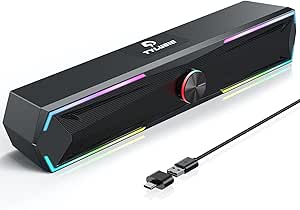
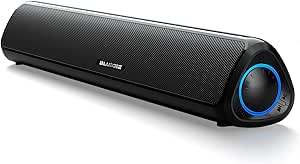
USB-powered PC speakers: balancing convenience with audio performance expectations
When evaluating these Amazon Basics 2.0 speakers, understand you're considering a product designed for straightforward desktop audio enhancement rather than high-fidelity sound reproduction. The USB-powered, 3.5mm aux configuration prioritizes plug-and-play simplicity over customizable audio controls, making them fundamentally different from AC-powered or Bluetooth-enabled alternatives. This specific model targets users seeking an immediate audio upgrade from built-in laptop speakers without complex setup.
Key Considerations Before Buying
- USB power means these speakers draw both electricity and audio signal from your computer, which can limit maximum volume and bass response compared to externally powered options.
- The 2.0 stereo configuration without a separate subwoofer delivers balanced midrange and treble but lacks dedicated low-frequency reproduction, making them less suitable for bass-heavy content.
- The 3.5mm aux-only input provides universal compatibility but lacks modern connectivity options like Bluetooth or optical input found in higher-tier computer speakers.
What Our Analysts Recommend
For USB-powered speakers, examine reviews mentioning consistent performance across different computer USB ports, as some laptops provide limited power output. Quality indicators include minimal hiss at idle volume and stable housing that doesn't vibrate excessively at higher volumes. Since these lack tone controls, listen for reviews describing balanced sound that doesn't become harsh or tinny at maximum volume.
Computer Speakers Market Context
Market Overview
The budget USB-powered computer speaker segment has become increasingly competitive, with brands balancing cost constraints against consumer expectations for decent audio quality. These Amazon Basics speakers compete directly with other sub-$50 offerings from brands like Logitech and Creative Labs, where convenience often outweighs audiophile considerations. The market has shifted toward value-oriented products that offer reliable performance for everyday computing tasks rather than premium audio experiences.
Common Issues
USB-powered speakers frequently encounter power-related limitations, including insufficient volume output from low-power USB ports or audible electrical interference from computer components. Many budget models exhibit noticeable hiss at higher volumes or lack proper shielding against electromagnetic interference. Build quality concerns include lightweight plastic construction that transmits vibration and limited durability in the volume control mechanisms.
Quality Indicators
In this category, quality manifests through consistent performance across different computer systems and minimal audio artifacts like buzzing or popping. Well-designed USB speakers maintain stable operation without drawing excessive power that could affect other USB devices. Look for products with proper internal shielding and weight distribution that prevents speaker movement during use, as lightweight models often shift during typing or desk adjustments.
Review Authenticity Insights
Grade B Interpretation
The Grade B authenticity rating with 15% estimated fake reviews suggests generally reliable feedback but warrants careful review scrutiny. This indicates that while most reviews appear genuine, approximately 1 in 7 may be artificially positive, potentially exaggerating performance claims. The 4.50 adjusted rating (down from 4.89) reflects this adjustment and represents a more realistic assessment of user satisfaction.
Trust Recommendation
Focus on verified purchase reviews that describe specific use cases rather than generic praise, and pay particular attention to critical reviews mentioning power limitations or audio quality constraints. Given the 85% authentic review rate, look for consistent patterns across multiple reviews rather than relying on outlier opinions. The multilingual review presence (English, French, Dutch) increases credibility by representing diverse user experiences.
Tips for Reading Reviews
For computer speakers, prioritize reviews that mention specific computer models or usage scenarios, as USB power delivery varies significantly between devices. Look for detailed comments about audio performance with different content types (music, videos, games) rather than vague statements about 'good sound.' Reviews noting long-term reliability over months of use carry more weight than initial impressions.
Expert Perspective
The Amazon Basics speakers represent a calculated trade-off: exceptional convenience and value at the expense of audio customization and maximum output. Their 4.50 adjusted rating from nearly 78,000 reviews indicates strong user satisfaction within their intended use case as basic computer audio enhancers. The product succeeds by delivering consistent, straightforward performance without the complexity or cost of feature-rich alternatives. However, the USB power limitation fundamentally caps their performance ceiling compared to AC-powered options in similar price ranges.
Purchase Considerations
Consider these speakers if your primary needs involve clear dialogue for video content, basic music playback, and system sounds without requiring room-filling volume or deep bass response. Evaluate your computer's USB power output capability, as some ultraportable laptops may not provide sufficient power for optimal performance. These are less suitable for users who frequently adjust audio settings or require connectivity beyond 3.5mm aux input.
Comparing Alternatives
Shoppers should compare these with similarly priced AC-powered speakers that offer greater volume potential and often include tone controls, though they sacrifice the clean USB-only cable management.