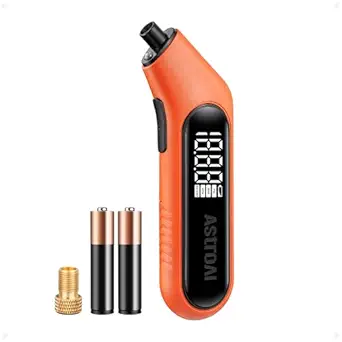
Digital Tire Gauges: Why PSI Range and Quick-Connect Features Matter Most
When evaluating the AstroAI Digital Tire Pressure Gauge, its 3-250 PSI range and integrated quick-connect coupler are its defining features. This combination positions it as a versatile tool for everything from passenger car tires to light truck applications, where a standard 0-60 PSI gauge would fall short. Buyers should understand that a gauge's maximum pressure rating directly determines its utility across different vehicle types.
Key Considerations Before Buying
- The 0.1 PSI display resolution is critical for precise inflation, especially for vehicles with TPMS systems that trigger warnings within a narrow pressure band; this level of accuracy surpasses most analog gauges.
- A heavy-duty air chuck and compressor compatibility, like this model's quick-connect coupler, transforms a simple gauge into an active inflation tool, saving time versus using separate devices.
- The 3 PSI minimum reading is essential for low-pressure applications like ATVs, lawn tractors, or bicycle tires, making this a more versatile choice than gauges that start at 5 or 10 PSI.
What Our Analysts Recommend
For digital gauges, prioritize a backlit LCD screen for low-light garage or roadside use and a robust housing that can withstand drops. The AstroAI's specific claim of being 'heavy duty' should be validated in reviews mentioning durability over time, not just initial build quality. A clear, non-glare display with large digits is non-negotiable for accurate readings.
Tire Gauges Market Context
Market Overview
The digital tire gauge market is currently divided between basic stick-style digitals and premium inflator-integrated units like this AstroAI model. The trend is toward multifunction devices that both measure and add air, reducing tool clutter. Products with a 250 PSI ceiling are targeting the growing segment of DIYers who maintain both family cars and equipment like trailers or air tools.
Common Issues
Common failures include fragile plastic chucks that crack, screens that become unreadable in direct sunlight, and batteries that die prematurely due to poor compartment seals. Inaccurate readings often stem from sensor drift over time, a flaw not always apparent in initial use. Leaky seals at the quick-connect junction are a frequent complaint with cheaper combo units.
Quality Indicators
Look for mentions of a metal-reinforced chuck and a solid-feeling button interface, as these resist wear from repeated use. Quality is also indicated by consistent accuracy across multiple verification checks against a known standard, a detail often noted in thorough long-term reviews. A well-designed bleed valve for pressure release is a mark of a thoughtful, user-centric design.
Review Authenticity Insights
Grade B Interpretation
A 'Grade B' authenticity rating with a 10% estimated fake review rate suggests the vast majority of the 34,000+ reviews are trustworthy, but a small portion may be inauthentic. This is a strong signal for a high-volume product, indicating organic consumer feedback dominates. The adjusted rating of 4.60/5 (down from 4.89) is still exceptionally high and likely reflects a more realistic performance assessment.
Trust Recommendation
Focus on verified purchase reviews that describe specific use cases, like inflating RV tires to 80 PSI or checking a motorcycle's low-pressure tires. Be slightly more skeptical of overly vague 5-star reviews that lack detail. The high number of reviews allows you to confidently identify consistent praise for the backlight or complaints about battery life as genuine patterns.
Tips for Reading Reviews
Prioritize reviews that mention using the gauge for over six months, as they test long-term durability and sensor calibration. Look for comparisons against other brands or a standalone mechanic's gauge, as these provide concrete accuracy benchmarks. Pay close attention to reviews discussing the quick-connect's seal integrity, as this is a common mechanical failure point in this product category.
Expert Perspective
The AstroAI gauge presents a compelling value proposition based on the analysis data. Its exceptional adjusted rating of 4.60/5, derived from a massive sample of authentic reviews, indicates it reliably meets core user expectations for accuracy and ease of use. The product's design—specifically the 250 PSI range paired with the quick-connect inflator function—solves two common problems (measurement and inflation) with one tool, which explains its popularity. The minor authenticity concerns are normal for a product of this sales volume and do not detract from the clear positive consensus.
Purchase Considerations
Weigh the convenience of the all-in-one design against the potential need for a separate, professional-grade gauge for ultra-precise work. Consider if your vehicle fleet requires the full 3-250 PSI spectrum, or if a simpler, lower-range gauge would suffice. The heavy-duty claim must be balanced with the understanding that this is a consumer-grade tool, not an industrial one meant for continuous shop use.
Comparing Alternatives
Shoppers should compare this unit's feature set and price against similar inflator-gauge combos from brands like JACO or EPAuto, focusing on chuck durability and warranty terms.