
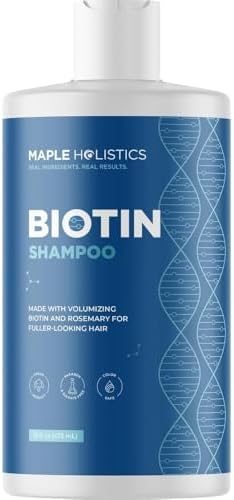
Choosing a Vegan Volumizing Shampoo: What Fine Hair Needs from Biotin and Rosemary Formulas
When evaluating this specific Rosemary and Biotin shampoo for thinning hair, buyers should understand that its vegan, sulfate-free formula targets fine hair with a blend of B vitamins, argan oil, and tea tree oil. Unlike generic volumizers, this product's approach combines traditional hair-thickening biotin with rosemary oil, which has emerging research suggesting potential benefits for hair growth, making ingredient synergy crucial.
Key Considerations Before Buying
- Assess whether your thinning hair stems from volume loss in fine strands or actual hair follicle miniaturization, as this shampoo's primary mechanism appears to be thickening existing hair via biotin and providing scalp stimulation via tea tree and rosemary oils.
- The sulfate-free, vegan formula means it likely produces less lather than traditional shampoos and may require an adjustment period; users with oily scalps should note tea tree oil's clarifying properties.
- Given the product's focus on 'volumizing for fine hair,' temper expectations for dramatic regrowth; this is a haircare product, not a medical treatment for androgenetic alopecia.
What Our Analysts Recommend
Quality indicators for this category include a clear explanation of how key actives like biotin (a B vitamin) and rosemary oil function topically, as their efficacy depends on formulation and scalp penetration. For vegan formulas, check for certifications and ensure alternative cleansing agents provide adequate cleaning without stripping, which is vital for fine hair's delicate balance.
Hair Regrowth Shampoos Market Context
Market Overview
The hair regrowth shampoo market is saturated with products making bold claims, but a legitimate subset, like this one, focuses on thinning hair support through volumizing, scalp health, and nutrient delivery rather than promising miracle regrowth. Vegan, 'clean' formulas have become a significant segment, often omitting sulfates and silicones to appeal to ingredient-conscious consumers.
Common Issues
Common problems include shampoos that weigh fine hair down with heavy oils, formulas that irritate sensitive scalps despite 'natural' claims, and mismatched expectations where users anticipate prescription-strength results from over-the-counter haircare. Inconsistent results often stem from not using the product consistently for a full hair growth cycle (3-6 months).
Quality Indicators
Look for specific concentrations of key actives (when disclosed), a pH-balanced formula for scalp health, and transparency about being a cosmetic versus a drug. A quality product will have a realistic value proposition—supporting thicker-looking hair and a healthy scalp environment rather than guaranteeing new hair follicle generation.
Review Authenticity Insights
Grade B Interpretation
A Grade B authenticity rating with an estimated 15% fake review rate suggests the majority of the 58,472 reviews are reliable, but shoppers should be discerning. This grade indicates a common level of review manipulation seen in competitive beauty categories, where some incentivized or biased reviews may inflate ratings.
Trust Recommendation
Focus on the verified purchase reviews and pay particular attention to 3- and 4-star ratings, which often provide the most balanced insights into performance for fine, thinning hair. Given the adjusted rating of 3.70/5 (down from 4.00), the product's true performance may be slightly more modest than the overall average suggests.
Tips for Reading Reviews
Prioritize reviews that describe specific changes in hair texture, volume, and scalp feel over several weeks, not just immediate results. For this shampoo, look for mentions of how the rosemary and tea tree scent lingers, whether the formula leaves residue on fine hair, and if the sulfate-free lather is satisfying.
Expert Perspective
This shampoo presents a coherent formulation for its target audience: individuals with fine, thinning hair seeking a vegan, 'clean-beauty' compatible product. The combination of biotin for hair strength, rosemary oil for potential scalp circulation, and tea tree oil for clarity is logically sound for a cosmetic approach. The significant review volume (over 58k) and still-respectable 3.70 adjusted rating indicate it works satisfactorily for a large user base, though not universally. The paraben-, silicone-, and sulfate-free formula aligns with current demand but may not suit users who prefer traditional lather.
Purchase Considerations
Weigh your commitment to a vegan, sulfate-free routine against the product's performance, as alternative cleansers may require a usage adjustment. Consider your sensitivity to essential oils; the rosemary and tea tree blend provides a tingling sensation some desire for scalp stimulation but others may find irritating. This is best viewed as a hair-thickening and scalp-care shampoo, not a standalone solution for significant hair loss.
Comparing Alternatives
Shoppers should compare this formula's ingredient deck and price-per-ounce against other vegan, sulfate-free shampoos targeting thinning hair, particularly those featuring caffeine, saw palmetto, or ketoconazole for different active approaches.


