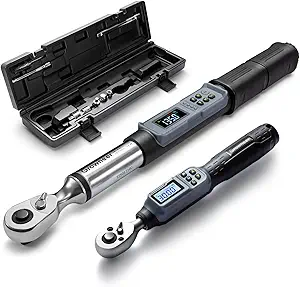
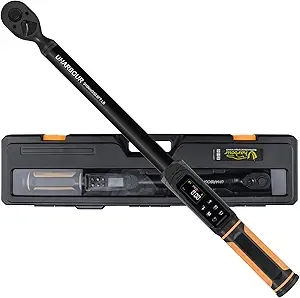
Choosing an Electronic Torque Wrench: Balancing Digital Precision with Mechanical Reliability
The GEARWRENCH 85078 represents a hybrid tool category, merging traditional flex-head ratchet mechanics with electronic torque and angle measurement. Buyers should understand that this 3/8" drive, 10-100 ft/lb tool is designed for applications requiring both preset torque values and angular tightening, common in automotive and machinery assembly. Its value lies in eliminating the need for separate angle gauges and click-type wrenches.
Key Considerations Before Buying
- Verify your required torque range: The 10-100 ft/lb span covers many automotive lug nuts and engine components, but may be insufficient for heavy truck or industrial applications requiring higher torque.
- Assess battery dependency: Unlike mechanical click-type wrenches, this electronic model requires CR2032 batteries for its digital display and audible alerts, adding a maintenance consideration.
- Evaluate flex-head utility: The 72-tooth flex head provides access in tight spaces, but introduces a potential pivot point that can affect torque accuracy if not properly calibrated and used.
What Our Analysts Recommend
For electronic torque wrenches, examine the calibration certificate and stated accuracy (typically ±2-3% for mid-range models). Quality indicators include a robust flex-head locking mechanism to prevent unintentional pivot during use, and a clear, backlit LCD display that remains readable in low-light shop environments. The housing should be impact-resistant, with well-sealed buttons to resist oil and grime ingress.
Torque Wrenches Market Context
Market Overview
The torque wrench market is bifurcating between traditional mechanical click-type tools and newer electronic/digital models with angle measurement capabilities. Electronic models like the GEARWRENCH 85078 are gaining popularity in professional automotive and aviation maintenance where precise angle-to-yield fastening is specified. Brands compete on accuracy, durability of electronic components, and intuitive user interfaces.
Common Issues
Electronic torque wrenches frequently face criticism for battery compartment failures, display visibility in bright sunlight, and sensitivity to temperature extremes affecting calibration. The flex-head mechanism, while convenient, can develop play over time, potentially compromising torque accuracy if not regularly inspected. Some users report confusion between peak torque hold modes and continuous measurement modes.
Quality Indicators
Superior electronic torque wrenches feature IP-rated dust/water resistance, automatic shut-off to preserve battery life, and clear calibration procedures. Look for models storing multiple torque/angle presets and providing both visual and distinct audible alerts at target torque. A sturdy storage case with proper foam cutouts to protect the flex-head joint and display is a sign of thoughtful engineering.
Review Authenticity Insights
Grade B Interpretation
A Grade B authenticity rating with an estimated 10% fake review rate indicates generally trustworthy feedback with minor manipulation concerns. For this GEARWRENCH model, this suggests most of the 2,784 reviews reflect genuine user experiences, though approximately 1 in 10 may be overly promotional or artificially negative.
Trust Recommendation
Focus on verified purchase reviews that discuss specific use cases like cylinder head bolt sequences or wheel lug nut torquing. The adjusted rating of 4.20/5 (down from 4.44/5) after filtering suspicious reviews provides a more reliable performance indicator. Pay particular attention to 3- and 4-star reviews, which often contain balanced assessments of the electronic display's practicality versus mechanical reliability.
Tips for Reading Reviews
For technical tools like this, prioritize reviews mentioning calibration experiences, battery life over months of use, and durability of the flex-head joint. Be skeptical of reviews that praise generic 'quality' without mentioning specific features like the angle measurement function or the 72-tooth ratchet mechanism. Look for patterns in complaints about the button interface or display readability in different lighting conditions.
Expert Perspective
The GEARWRENCH 85078 occupies a strategic position in the professional tool market, offering electronic angle measurement at a price point below premium brands like Snap-on. Its 4.20 adjusted rating from verified purchasers suggests it delivers reliable performance for most users, though the presence of 1-star reviews indicates potential quality control inconsistencies or user error with electronic features. The tool's 10-100 ft/lb range and angle capability make it particularly suitable for automotive technicians working on engine rebuilding and suspension components where torque-to-yield specifications are common.
Purchase Considerations
Weigh the convenience of integrated angle measurement against the ongoing cost and reliability concerns of battery-powered tools in shop environments. Consider whether your applications truly require angle measurement or if a high-quality mechanical torque wrench would suffice. The flex-head design adds versatility but requires careful handling to maintain calibration accuracy at the pivot point.
Comparing Alternatives
Shoppers should compare the GEARWRENCH 85078 against similar electronic models from Tekton and Capri Tools, as well as mechanical click-type wrenches from Precision Instruments, to assess value versus specific feature needs.