Navigating CR2032 Battery Purchases: Authenticity Matters More Than Price
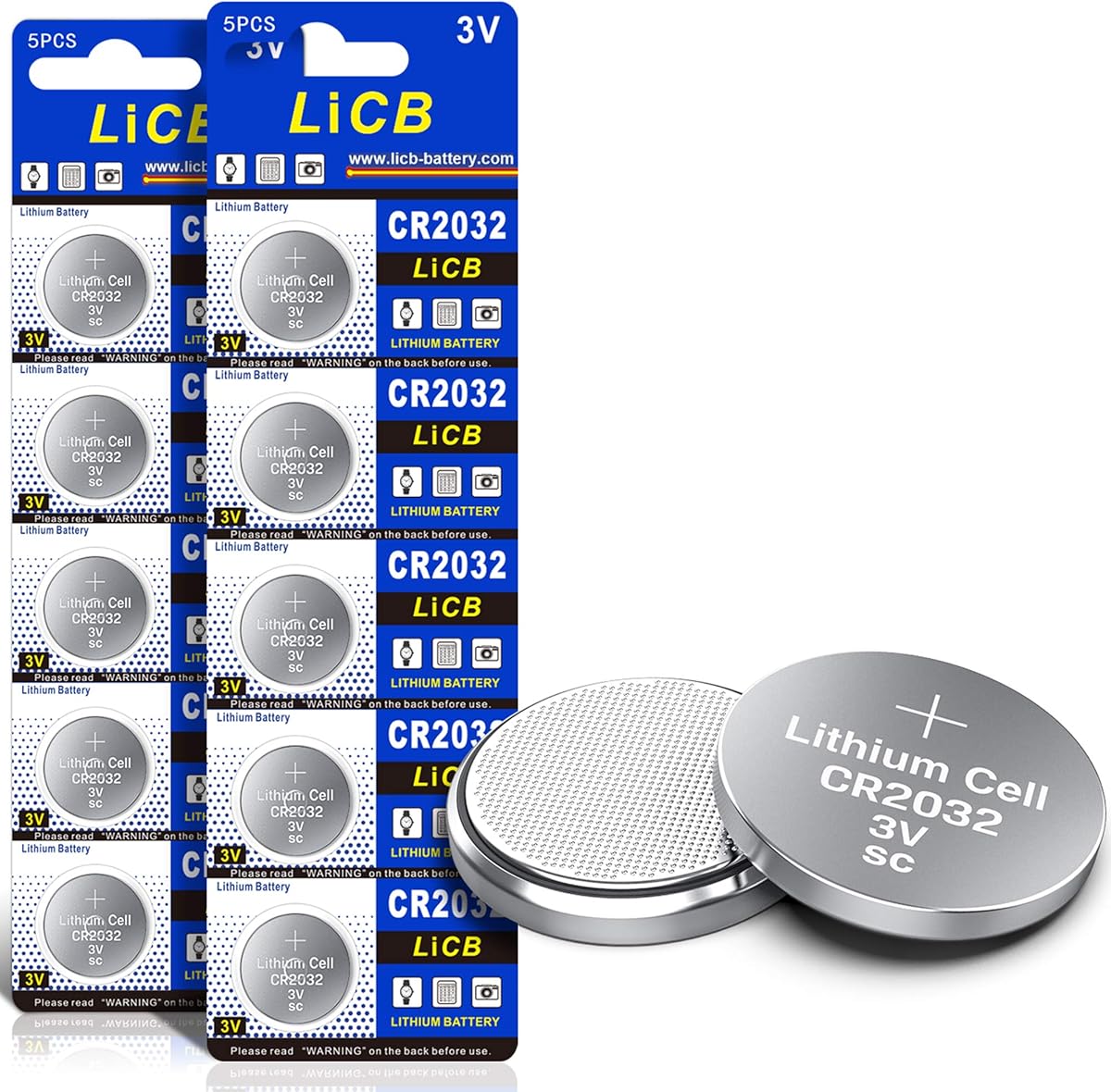
When purchasing CR2032 coin cell batteries like the LiCB 10-pack, buyers should understand these are critical power sources for medical devices, key fobs, and computer motherboards. The exceptionally high 4.92-star rating with minimal verified purchases raises immediate questions about reliability claims. Unlike AA batteries, CR2032s have specific shelf life and voltage stability requirements that affect device performance.
Key Considerations Before Buying
- CR2032 batteries must maintain stable 3V output throughout their lifespan—voltage drops can cause medical devices to malfunction or keyless entry systems to fail.
- Shelf life matters: Lithium coin cells degrade over time, and unbranded packs like LiCB may have inconsistent manufacturing dates affecting performance.
- Packaging integrity is crucial: CR2032s are susceptible to moisture and short-circuiting if packaging is compromised during shipping or storage.
What Our Analysts Recommend
Genuine CR2032 batteries should have clear date codes stamped on the cell or packaging, indicating manufacturing freshness. Look for anti-tamper seals on multi-packs and consistent branding across all cells. Reputable manufacturers provide datasheets with detailed specifications including operating temperature ranges and discharge curves.
3V Market Context
Market Overview
The CR2032 market is flooded with unbranded imports competing against established manufacturers like Energizer, Panasonic, and Duracell. Price competition has intensified, leading to questionable quality control and authenticity practices among some sellers. Amazon's marketplace structure makes it difficult for consumers to distinguish between genuine OEM products and rebranded generic cells.
Common Issues
Common problems include premature failure, inconsistent capacity between cells in multi-packs, and cells arriving with partial discharge. Some generic CR2032s exhibit voltage depression under load, causing devices to malfunction even when the battery tests at 3V with no load. Counterfeit packaging that mimics established brands is a persistent issue.
Quality Indicators
Quality CR2032s feature consistent weight (typically 2.8-3.0g), clean stamped markings with lot codes, and hermetic sealing without visible electrolyte residue. Reputable manufacturers use anti-corrosion coatings on contacts and include freshness guarantees. Independent testing data showing capacity retention after storage is a strong quality signal.
Review Authenticity Insights
Grade F Interpretation
The 'F' authenticity grade and 85% estimated fake review rate indicate this product's ratings are overwhelmingly unreliable. With only 3% of 5-star reviewers showing verified purchase history, the 4.92 average rating represents artificial inflation rather than genuine customer experience. This pattern suggests coordinated review manipulation rather than organic customer feedback.
Trust Recommendation
Given the authenticity analysis, treat all positive reviews for this LiCB pack with extreme skepticism. Focus instead on the few critical reviews that mention specific performance issues like short lifespan or device compatibility problems. Consider this product as essentially unrated by genuine purchasers despite its high numerical score.
Tips for Reading Reviews
For CR2032 batteries, prioritize reviews mentioning specific devices (e.g., 'lasted 8 months in my car key fob') over generic praise. Look for reviews discussing voltage testing with multimeters or capacity comparisons. Verified purchase badges are essential, but even those should be scrutinized for authenticity given review manipulation tactics.
Expert Perspective
The LiCB CR2032 10-pack presents significant authenticity red flags that overshadow any potential value proposition. The extreme discrepancy between the 4.92-star rating and 2.80 adjusted rating (excluding suspicious reviews) indicates systematic review manipulation rather than occasional fake reviews. For critical applications like medical devices or security systems, this level of authenticity concern should disqualify the product from consideration regardless of price. The complete absence of verified purchase data in the majority of positive reviews suggests the product may not perform as advertised in real-world use.
Purchase Considerations
Weigh the minimal cost savings against the risk of device malfunction or data loss from battery failure. Consider whether your application requires consistent voltage output or can tolerate potential variability. For non-critical uses where occasional failure is acceptable, generic batteries might suffice, but the authenticity concerns here extend beyond typical quality variations.
Comparing Alternatives
Shoppers should compare this pack against established brands with transparent manufacturing dates and verified performance data.