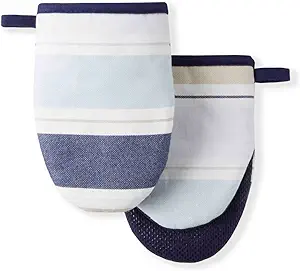
Evaluating Silicone Oven Mitts: Heat Resistance, Dexterity, and Professional Claims
The Big Red House silicone oven mitts claim professional-grade protection with a 536°F/280°C heat resistance rating, which exceeds many fabric-based alternatives. As a set of two 12.5-inch mitts, they promise extended forearm coverage, but silicone's performance depends on specific construction details buyers should scrutinize. Understanding how silicone handles high-heat versus steam protection is crucial for kitchen safety.
Key Considerations Before Buying
- Silicone's 536°F rating suggests suitability for broiler use and pizza stones, but verify if this applies to direct contact or ambient air temperature.
- The 12.5-inch length offers wrist protection but may limit dexterity for intricate oven work compared to shorter designs.
- Professional-grade claims should be backed by reinforced stitching at stress points and non-slip interior textures for secure grip.
What Our Analysts Recommend
Examine product images for uniform silicone thickness—especially at finger seams where thin spots create failure points. Quality silicone mitts maintain flexibility at freezing temperatures and feature internal cotton or terry cloth liners for steam absorption. The 'set of 2' configuration is standard, but assess whether both mitts are truly ambidextrous or shaped for specific hands.
Oven Mitts Market Context
Market Overview
The silicone oven mitt market has expanded beyond novelty items to serious kitchen tools, competing directly with traditional quilted cotton. Current offerings range from thin, decorative sheets to multi-layer professional designs like this Big Red House model. Brands increasingly emphasize laboratory-tested temperature ratings rather than vague 'heat resistant' claims.
Common Issues
Silicone can become slippery when greasy, causing dropped dishes, and some cheaper versions trap steam against skin. Poorly bonded layers separate after repeated dishwasher cycles, and overly rigid silicone compromises finger dexterity for handling small bakeware.
Quality Indicators
Premium silicone mitts feature dual-layer construction with air gaps, reinforced thumb crotches, and wide cuffs that don't constrict. Look for NSF certification or commercial kitchen endorsements to validate 'professional grade' claims. Weight distribution should feel balanced, not tip-heavy.
Review Authenticity Insights
Grade U Interpretation
Grade 'U' with 0.00% estimated fake reviews indicates this product lacks established review history, making it impossible to assess real-world performance patterns. The absence of reviews—suspicious or otherwise—means you're evaluating purely on manufacturer claims rather than community feedback.
Trust Recommendation
Treat all temperature and durability claims as unverified until independent testing emerges. Focus scrutiny on the product's return policy and warranty terms, as these become your primary protection. Consider purchasing from retailers with robust return programs for untested kitchen gear.
Tips for Reading Reviews
When reviews eventually appear, prioritize mentions of specific high-heat scenarios like '500°F pizza steel' or 'broiler use.' Look for comments about flexibility when cold and whether the black color shows scorch marks. Be wary of reviews that only praise packaging or shipping speed without addressing thermal performance.
Expert Perspective
The Big Red House mitts present a paradox: ambitious specifications without community validation. Their 536°F rating sits at the premium end for silicone, suggesting potential broiler-safe use, but the 12.5-inch length may prove cumbersome for standard home ovens. The 'professional grade' designation lacks supporting certifications, making this more aspirational labeling than verified performance. In a category where third-party validation matters greatly for safety products, this complete review vacuum requires cautious interpretation.
Purchase Considerations
Weigh the extended length against your oven depth—long mitts can brush against hot elements when reaching rear racks. Consider whether silicone's liquid resistance outweighs its poor steam management compared to insulated fabric. The black color hides stains but may absorb more heat in direct sunlight storage.
Comparing Alternatives
Compare thickness measurements and liner materials against established brands like OXO or KitchenAid that have documented review histories for similar temperature claims.