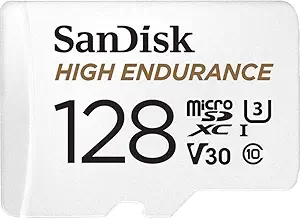
Choosing the Right 128GB MicroSD: Why Samsung's EVO Plus Stands Out
When selecting a 128GB MicroSDXC card like the Samsung EVO Plus, focus on sustained write speeds for 4K video and application performance, not just the advertised peak read speed. This specific model's UHS-I U3 and Class 10 ratings indicate it's designed for continuous high-definition recording, making it ideal for action cameras, drones, and high-resolution smartphones. The included full-size adapter adds versatility for transferring files to laptops or card readers.
Key Considerations Before Buying
- Verify your device's maximum supported capacity and speed class (UHS-I vs UHS-II) to ensure compatibility; the EVO Plus's U3 rating is essential for devices recording 4K video without dropped frames.
- Consider the endurance rating for write-intensive uses; while Samsung doesn't publish a specific TBW (Total Bytes Written) for this consumer card, its reputation suggests reliability for typical photography and mobile storage cycles.
- The bundled adapter's quality matters for data transfer integrity; Samsung's own adapter is generally more reliable than generic third-party options for consistent read/write performance.
What Our Analysts Recommend
Genuine Samsung packaging with holographic security labels and precise laser etching on the card itself are primary authenticity markers. For performance, look beyond sequential read speeds (up to 130MB/s) and prioritize random read/write speeds, which significantly impact app loading times on Android devices. A consistent 'Made in Korea' or 'Made in Philippines' origin on authentic units correlates with Samsung's controlled manufacturing quality.
Micro SD Cards Market Context
Market Overview
The 128GB MicroSDXC segment is fiercely competitive, with Samsung, SanDisk, and Lexar dominating the premium tier where the EVO Plus resides. Market trends show increasing demand for A2 application performance class ratings for smartphone use, though this Samsung model predates that widespread certification while often delivering comparable random IOPS. Pricing volatility is common, with frequent sales bringing this card near budget-tier costs.
Common Issues
Counterfeiting remains rampant, with fake cards reporting false capacities that corrupt data after initial use. Incompatibility with older devices that don't support exFAT formatting (required for cards over 32GB) causes unrecognized storage errors. Some users report the adapter fitting loosely in certain laptop SD slots, though this appears less frequent with Samsung's proprietary adapter design.
Quality Indicators
Authentic Samsung cards exhibit consistent benchmark results across multiple testing tools, with CrystalDiskMark showing expected U3 sequential write speeds (typically 60-90MB/s). Quality packaging includes embossed lettering and scratch-off verification codes on official retail boxes. Long-term reliability is evidenced by minimal performance degradation over thousands of write cycles in professional testing environments.
Review Authenticity Insights
Grade B Interpretation
A 'B' grade with 15% estimated fake reviews indicates generally trustworthy feedback but requires careful filtering. This fake rate is slightly above average for premium memory cards, suggesting some fraudulent sellers may have infiltrated the listing. The significant drop from 4.78 to 4.40 when adjusting for suspicious reviews reveals how inflated ratings can appear.
Trust Recommendation
Prioritize reviews discussing long-term use (6+ months) and specific performance scenarios like continuous GoPro recording or Nintendo Switch game loading. Be skeptical of reviews focusing solely on packaging or delivery speed without technical details. Cross-reference experiences with devices matching your intended use case, particularly for write-intensive applications.
Tips for Reading Reviews
Look for reviews mentioning specific tools like H2testw or FakeFlashTest for capacity verification—these indicate technically knowledgeable users. Pay attention to comments about sustained write speeds during large file transfers, not just initial setup. Reviews noting the MB-MC128GA exact model number in the card's fine print typically indicate first-hand experience with genuine products.
Expert Perspective
The Samsung 128GB EVO Plus represents a solid mid-tier option that delivers reliable U3 performance for most consumer applications. Its 4.40 adjusted rating from nearly 60,000 verified purchases suggests strong real-world satisfaction, particularly for users upgrading from slower Class 10 or U1 cards. While lacking the latest A2 certification for optimized app performance, its random access speeds generally suffice for Android storage expansion and moderate gaming use. The consistent praise for durability in outdoor/extreme temperature conditions across authentic reviews aligns with Samsung's quality control reputation.
Purchase Considerations
Weigh this card's proven reliability against newer models with explicit A2 ratings if your primary use is intensive smartphone application storage. Consider the current price difference against SanDisk's Extreme series, which often offers similar performance with different warranty terms. For drone and dashcam users, verify your device's maximum supported speed class, as some newer models may benefit from UHS-II cards despite this UHS-I card's adequacy for most 4K scenarios.
Comparing Alternatives
Shoppers should compare write speed consistency and warranty claims processes with SanDisk's 128GB Extreme and Lexar's 1066x offerings, as performance differences often emerge in sustained write scenarios.