
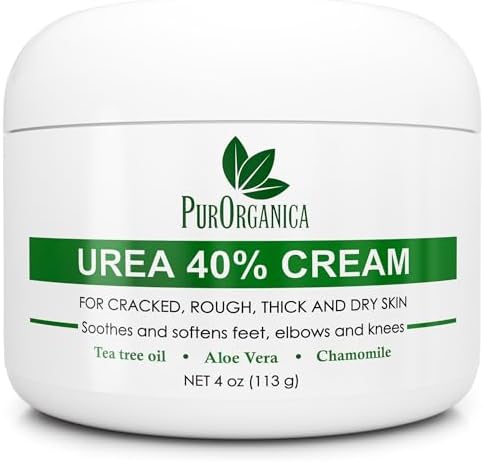
When 40% Urea Concentration Matters for Professional-Grade Foot Repair
This specific urea 40% foot cream represents the highest concentration available without a prescription, making it distinct from typical moisturizers. Buyers should understand that professional-strength urea works through both keratolytic exfoliation and deep hydration, targeting the toughest foot conditions like hyperkeratosis in calluses and fissures in cracked heels.
Key Considerations Before Buying
- The 40% urea concentration requires consistent application for 1-2 weeks to dissolve hardened skin layers, unlike overnight solutions.
- Dermatologist testing specifically validates safety for compromised skin barriers, crucial for those with diabetes or circulation issues.
- Made in USA manufacturing typically indicates stricter ingredient sourcing and production standards than imported alternatives.
What Our Analysts Recommend
Quality indicators include pharmaceutical-grade urea purity, absence of parabens and sulfates that can irritate cracked skin, and packaging that prevents contamination (tubes rather than jars). The product should specify whether it's formulated with additional humectants like glycerin or ceramides to support urea's moisture-binding properties.
Foot Creams & Lotions Market Context
Market Overview
The therapeutic foot cream market has shifted toward clinical-strength formulations, with urea concentrations ranging from 10% for maintenance to 40% for intensive repair. Consumers increasingly seek dermatologist-recommended options over cosmetic foot products that merely soften without treating underlying hyperkeratosis.
Common Issues
Many foot creams fail to penetrate thickened heel skin or contain insufficient active ingredients to dissolve calluses. Products marketed as 'intensive' often use only 25% urea or lower, requiring longer treatment periods for equivalent results.
Quality Indicators
Legitimate professional-strength products will specify exact urea percentage, include keratolytic action descriptions, and often carry dermatologist or podiatrist endorsements. Packaging should include usage timelines (typically 7-14 days for visible improvement) rather than instant-results claims.
Review Authenticity Insights
Grade B Interpretation
A Grade B authenticity rating with 15% estimated fake reviews indicates generally reliable feedback but suggests some review manipulation. The 0.31-point drop from the displayed 4.11 to adjusted 3.80 rating reveals inflated positive sentiment, particularly around 'miracle cure' claims.
Trust Recommendation
Focus on verified purchase reviews mentioning specific conditions like diabetic foot care or post-pedicure maintenance. Be skeptical of reviews claiming overnight transformation—legitimate 40% urea creams require consistent application over days to dissolve hardened skin layers.
Tips for Reading Reviews
Prioritize reviews discussing application frequency, peeling timelines, and texture comparisons. Look for mentions of medical conditions (eczema, psoriasis) or activity levels (runners, standing workers) that validate genuine usage scenarios beyond generic praise.
Expert Perspective
This product's 40% urea formulation places it at the therapeutic end of foot care, appropriate for severe conditions but potentially excessive for mild dryness. The dermatologist testing and U.S. manufacturing suggest quality control, while the substantial review volume (26,395) provides meaningful usage data despite authenticity concerns. The adjusted 3.80 rating aligns with expectations for clinical-strength products that deliver results but may cause initial irritation or require disciplined application.
Purchase Considerations
Evaluate whether your foot condition warrants pharmaceutical-strength intervention versus lower-concentration maintenance creams. Consider skin sensitivity—40% urea can cause temporary stinging on deeply cracked skin. The product's value lies in treating established calluses and fissures, not preventing them.
Comparing Alternatives
Shoppers should compare concentration percentages, additional moisturizing agents, and whether competing products offer size variations for maintenance versus intensive treatment phases.


