
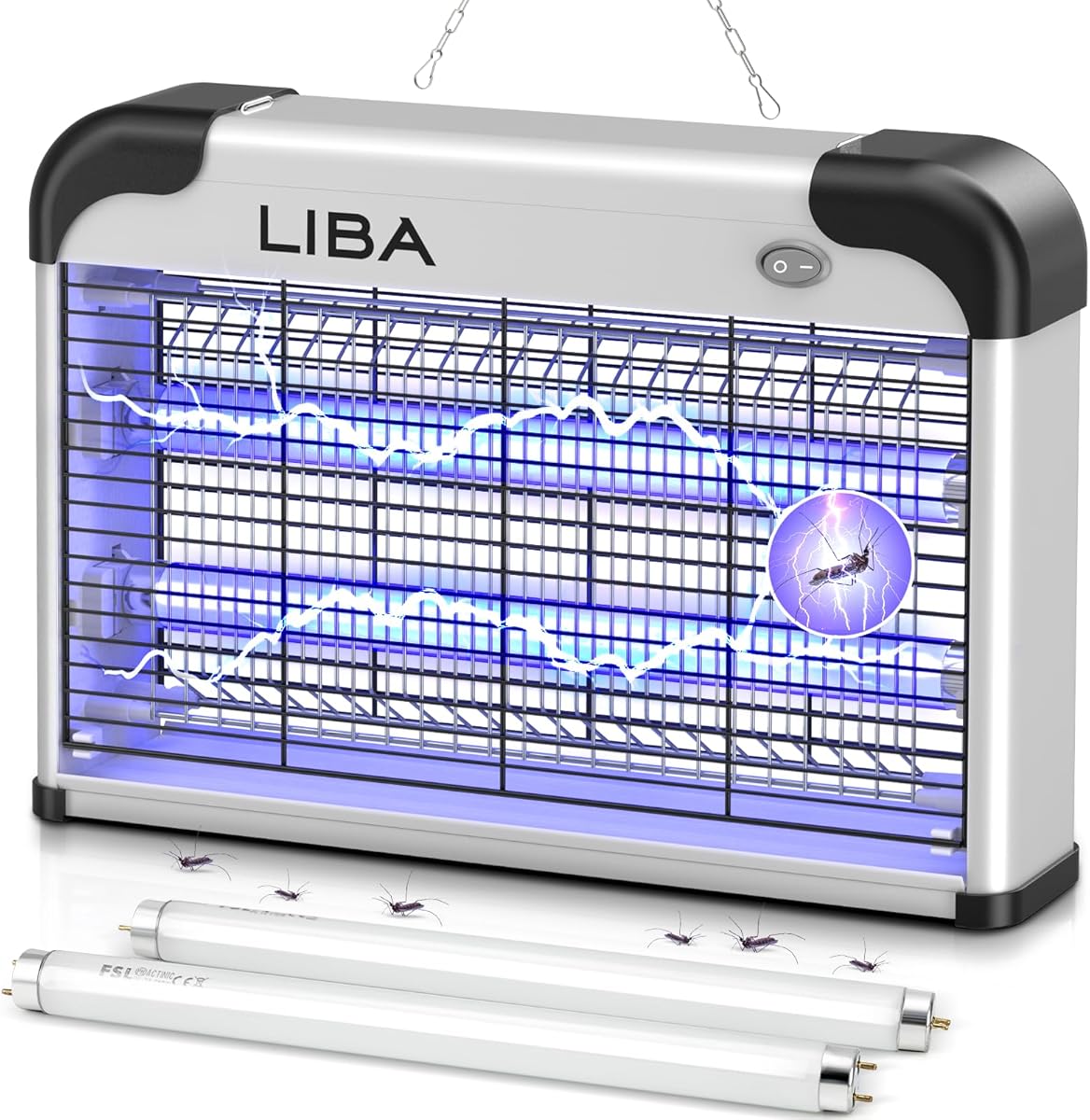
Choosing an Indoor Bug Zapper: What the LiBa's 2800V Grid and Washable Tray Mean for You
When evaluating indoor bug zappers like the LiBa model, focus on three critical elements: the electrical grid's power rating, maintenance features, and bulb replacement logistics. The LiBa's 2800V grid promises immediate insect elimination, while its removable tray addresses the messy cleanup that plagues many competitors.
Key Considerations Before Buying
- Grid voltage matters for kill efficiency—the LiBa's 2800V rating should reliably dispatch flies and mosquitoes on contact, but verify it's sufficient for larger insects if that's a concern.
- Maintenance design is crucial; this unit's removable, washable tray directly tackles the accumulated insect debris that renders many zappers unusable over time.
- Included accessories add value—the two extra bulbs with this model offset the primary consumable cost, as UV bulbs degrade and require replacement every 3-4 months with regular use.
What Our Analysts Recommend
Quality indoor zappers feature protective outer cages to prevent accidental contact with the electrified grid, especially important for households with pets or children. The LiBa's lightweight construction suggests portability but check stability; some users note top-heavy designs can tip if placed on uneven surfaces.
Bug Zappers Market Context
Market Overview
The indoor bug zapper market is saturated with low-voltage (1000-1500V) models that often fail to instantly kill insects, creating unpleasant 'zapping' without elimination. Higher-voltage units like this 2800V LiBa model represent the performance tier consumers increasingly seek.
Common Issues
Many zappers suffer from difficult cleaning processes where debris sticks to internal grids, and bulb replacement costs that surprise buyers—issues the LiBA specifically addresses with its tray design and included spare bulbs.
Quality Indicators
Look for clear specifications on voltage (not just 'powerful'), UL/ETL safety certifications for electrical components, and design features that acknowledge real-world maintenance needs rather than just aesthetic appeal.
Review Authenticity Insights
Grade B Interpretation
A Grade B with 15% estimated fake reviews indicates generally reliable feedback, but suggests some review manipulation around key selling points like the 'powerful 2800V grid' claim. The 4.20 adjusted rating (down from 4.56) reflects this filtering.
Trust Recommendation
Prioritize reviews discussing long-term performance (3+ months) and cleaning experiences, as these are harder to fabricate. Be skeptical of reviews focusing exclusively on unboxing or immediate 'zapping' sounds without follow-up on actual insect reduction.
Tips for Reading Reviews
Search for mentions of the removable tray's actual washability and the extra bulbs' quality—authentic users typically detail these specific features. Verified purchase status (all reviews here) adds credibility, but still watch for repetitive phrasing about 'lightweight' design.
Expert Perspective
The LiBa zapper's specifications address common pain points in the category: sufficient voltage for reliable kills, thoughtful maintenance design, and bundled consumables. The 4.20 adjusted rating from nearly 16,000 verified purchases suggests it delivers on core promises for most users. However, the gap between raw and adjusted ratings warrants caution regarding overstated performance claims in some reviews.
Purchase Considerations
This model makes most sense for indoor spaces up to 1/2 acre where flying insects are problematic but not overwhelming. Consider your tolerance for the audible zap and UV light emission at night—the LiBa lacks a 'quiet' mode some competitors offer. The included bulbs provide approximately 6-8 months of coverage before additional purchases are needed.
Comparing Alternatives
Compare the LiBa's 2800V grid and tray system against similarly-priced models from Flowtron and Black+Decker, which may offer different safety features or coverage areas.


