Choosing a Portable Soldering Iron: What the TS101's 65W Power and USB-C Mean for You
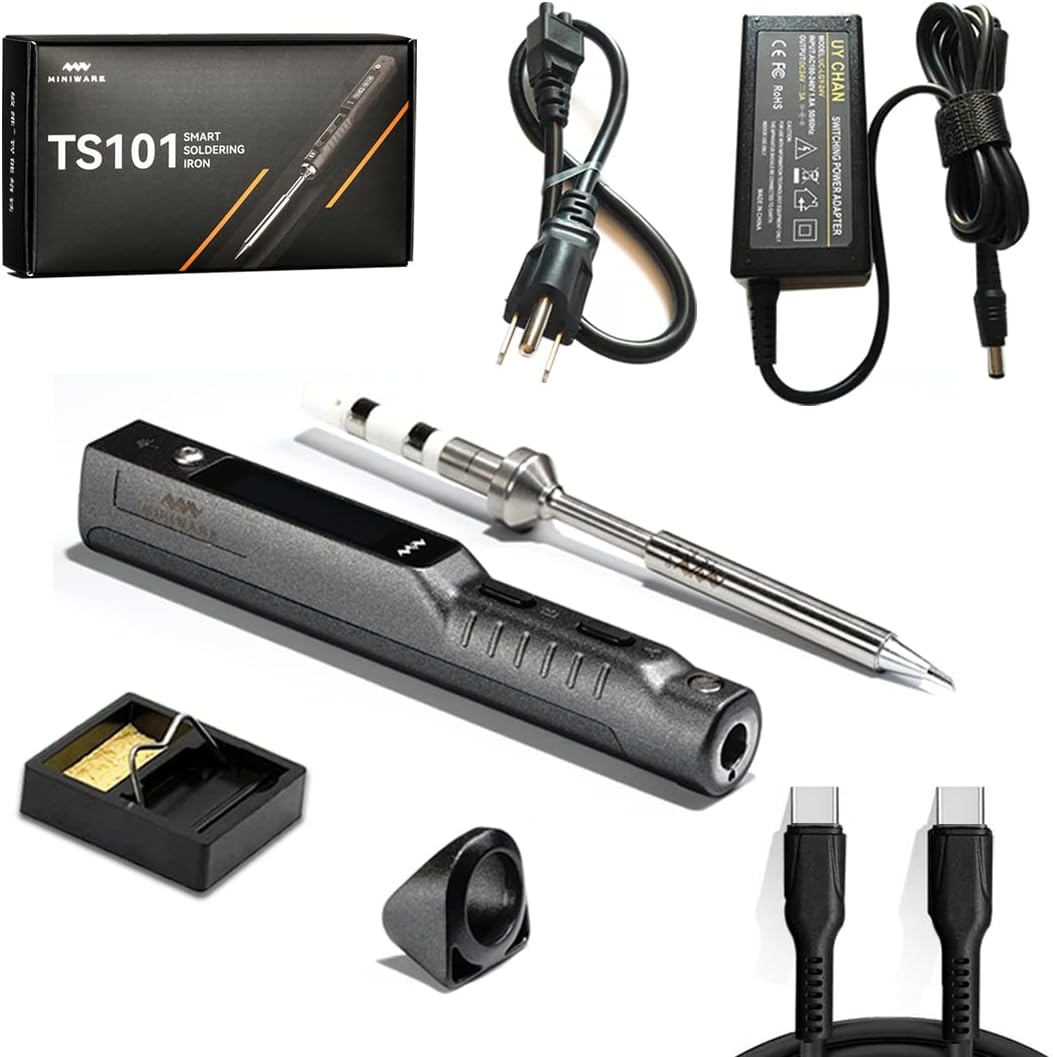
The TS101 represents a specific evolution in portable soldering tools, upgrading from the popular TS100 with USB-C Power Delivery (PD) support up to 45W and a higher 65W DC input. Buyers should understand this tool bridges the gap between a basic iron and a full station, offering programmability and portability in a pen-style format. Its kit includes a BC2 tip and cable, positioning it for electronics work rather than heavy-duty soldering.
Key Considerations Before Buying
- Power source flexibility is critical: The TS101's dual compatibility with USB-C PD (for laptop chargers or power banks) and traditional DC barrel jacks (for a 65W adapter) defines its portability, but you must verify you have a compatible high-wattage USB-C charger to achieve its full 45W PD performance.
- Tip ecosystem and thermal performance matter: This kit includes one BC2 chisel tip; check the availability and cost of additional TS100/TS101-compatible tips for your specific tasks, as the iron's fast heating relies on good tip contact and thermal mass.
- Programmability vs. simplicity: The TS101's open-source firmware allows custom temperature curves and sleep settings, which is a pro for tinkerers but may require connecting to a computer for advanced configuration, adding complexity over a simple dial-controlled iron.
What Our Analysts Recommend
For a tool in this class, scrutinize reviews mentioning consistent thermal recovery when soldering small joints—a sign of good power management. Also, look for mentions of build quality around the USB-C port, a potential stress point. A quality indicator is the inclusion of a genuine, branded tip (like the included BC2) rather than an unbranded one, as tip quality directly affects heat transfer and longevity.
Soldering Stations Market Context
Market Overview
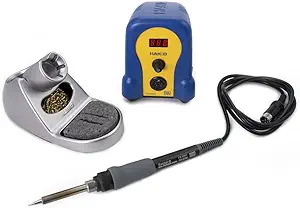
The market for portable, programmable soldering irons has expanded rapidly, moving beyond basic battery-powered units to sophisticated, firmware-driven tools like the TS101. These products compete directly with the lower end of traditional soldering stations by offering similar temperature control in a compact form factor. The shift toward USB-C power delivery is a key trend, enabling use with common chargers and power banks.
Common Issues
Common issues in this niche include inconsistent power delivery from under-spec USB-C chargers leading to poor performance, firmware bugs that can affect temperature stability, and durability concerns with the compact housing and connector ports from frequent travel. Another frequent user complaint is the learning curve associated with flashing custom firmware to access all features.
Quality Indicators
Identify quality by examining the precision of temperature control in real-world use (not just claimed specs), the material and plating of the solder tip, and the robustness of the cable and connector strain relief. High-quality units will maintain a stable temperature during a sustained joint, indicated by smooth, shiny solder fillets without the iron 'sticking' to the workpiece.
Review Authenticity Insights
Grade B Interpretation
A 'Grade B' authenticity rating with an estimated 10% fake review rate suggests the review corpus is generally reliable but requires a discerning eye. For a high-rated, niche tool like the TS101, this often means most praise is genuine from enthusiast users, but there may be some incentivized reviews focusing only on unboxing or superficial features.
Trust Recommendation
Prioritize verified purchase reviews that discuss specific, technical use cases over several weeks or months, such as detailing firmware updates, thermal performance on different gauge wires, or longevity of the included BC2 tip. Be slightly more skeptical of brief, overly effusive reviews that don't mention power sources, actual soldering tasks, or comparisons to the earlier TS100 model.
Tips for Reading Reviews
For this product, seek out reviews that mention the actual USB-C charger used (e.g., '65W GaN charger' or 'MacBook Pro charger') and the resulting performance. Pay close attention to any mentions of the OLED screen readability or button usability, as these are specific points of interaction that generic fake reviews often omit.
Expert Perspective
The TS101's adjusted rating of 4.50/5, derived from a largely authentic review pool, indicates it is a well-regarded tool within its specific portable/ programmable niche. The high marks likely stem from its successful upgrade to USB-C PD and maintained compatibility with the TS100 tip ecosystem. The slight dip from the raw 4.78 rating to the adjusted 4.50, accounting for potential bias, is a normal correction and still represents a strong endorsement from informed users. Its position is as a capable field-service or bench tool for detailed electronics, not for plumbing or large-gauge wiring.
Purchase Considerations
Weigh your need for true USB-C portability against the requirement to source a compatible high-wattage PD charger, which may not be included. Consider if the programmability and OLED interface provide tangible value over a simpler, fixed-temperature portable iron for your projects. The kit format is a good start, but factor in the potential future cost of additional specialized tips.
Comparing Alternatives
Shoppers should compare the TS101 directly against the original TS100 (often at a lower price) and competitors like the Pinecil, which also uses USB-C PD, to assess which firmware features and power input options best match their workflow.