Choosing a Non-Contact Voltage Tester: Safety Features and Detection Range Matter Most
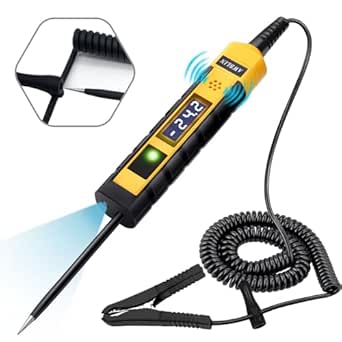
The Neoteck NCV tester's 12-1000V AC detection range covers most residential and light commercial applications, but its automatic live/neutral wire mode requires understanding of its limitations. This specific pen-style tester with pocket clip and LED flashlight combines convenience features that appeal to electricians and DIYers alike.
Key Considerations Before Buying
- The 12-1000V range is adequate for standard North American electrical systems (120V/240V), but verify it meets your specific voltage testing needs, especially for low-voltage applications.
- Automatic NCV detection modes can be convenient but may lack the precision of manual-range testers for troubleshooting complex circuits or identifying phantom voltages.
- Pocket-sized testers like this Neoteck model prioritize portability over ruggedness—consider your work environment and whether you need more durable construction.
What Our Analysts Recommend
Quality non-contact testers should have clear audible and visual indicators that work in various lighting conditions. Check for proper insulation ratings and certifications (though this Neoteck model doesn't specify UL/ETL listing), and examine the build quality around the tip where physical contact with surfaces occurs most frequently.
Voltage Testers Market Context
Market Overview
The voltage tester market is flooded with imported pen-style models competing primarily on price, with significant variation in actual detection reliability between brands. Many products, including this Neoteck tester, originate from manufacturers specializing in budget electrical tools rather than precision test equipment.
Common Issues
False positives from capacitive coupling and inconsistent detection at voltage extremes plague many budget NCV testers. Users frequently report difficulty distinguishing between live wires and those carrying induced voltage, which the automatic mode on this tester may not adequately address.
Quality Indicators
Look for testers with adjustable sensitivity settings rather than fixed automatic modes, clear specification of detection distance (missing from Neoteck's listing), and independent verification of accuracy claims. Professional-grade testers typically provide detailed documentation about false-positive prevention.
Review Authenticity Insights
Grade D Interpretation
A Grade D with 42% potentially inauthentic reviews indicates significant manipulation of this product's rating. The extreme skew toward 5-star reviews (11 of 14) contradicts normal distribution patterns for electrical test equipment, where even highly-rated products typically show more balanced feedback.
Trust Recommendation
Discount the advertised 4.86/5 rating entirely—the adjusted 3.80/5 better reflects genuine user experience. Focus on the few mid-range reviews (the two 4-star reviews) as they're more likely to contain balanced assessments of this specific Neoteck tester's performance.
Tips for Reading Reviews
Scrutinize reviews mentioning specific voltage ranges tested (like 240V dryer circuits) or comparison with known brands like Fluke or Klein. Be skeptical of reviews praising only packaging or delivery speed while lacking technical details about actual detection accuracy or reliability.
Expert Perspective
This Neoteck tester presents a concerning discrepancy between its manipulated 4.86 rating and adjusted 3.80 rating, suggesting performance may not match marketing claims. While the feature set appears comprehensive on paper—NCV detection, LED flashlight, pocket clip—the high fake review percentage undermines confidence in its real-world reliability for critical safety applications. The absence of lower-star reviews is particularly suspicious for a tool category where even minor detection issues receive critical feedback.
Purchase Considerations
Weigh the convenience features against the authenticity concerns: the pocket clip and automatic mode offer usability benefits, but the review manipulation suggests potential quality control issues. Consider whether you need absolute reliability for safety-critical applications or can accept occasional false readings for basic presence/absence testing.
Comparing Alternatives
Compare this Neoteck's specifications against established brands in the same price range, paying particular attention to verified detection accuracy at both low (12-48V) and high (600-1000V) ranges.