Choosing Industrial Nitrile Gloves: Why Thickness and Fit Matter Most
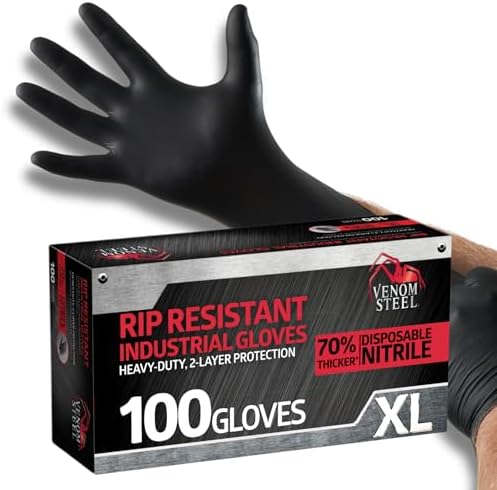
When selecting heavy-duty nitrile gloves like the Venom Steel 6-mil model, buyers must understand that thickness specifications directly impact chemical resistance and durability. This particular product's two-layer construction and textured grip are designed for industrial applications where standard disposable gloves would fail prematurely.
Key Considerations Before Buying
- The 6-mil thickness provides substantial chemical resistance but reduces dexterity compared to thinner 4-mil alternatives—consider your specific task requirements.
- XL sizing in industrial gloves often runs smaller than consumer gloves; verify hand measurements against manufacturer charts to avoid compromised protection.
- Black nitrile gloves like these hide stains but make visual inspection for pinholes and tears more challenging than with lighter colors.
What Our Analysts Recommend
Quality industrial nitrile gloves should maintain consistent thickness throughout the palm and fingers without thin spots. The textured grip pattern should be pronounced enough to provide actual slip resistance, not just cosmetic texture. Check that the cuff is reinforced to prevent tearing during donning.
Safety Work Gloves Market Context
Market Overview
The industrial nitrile glove market has expanded significantly as latex allergies and powder concerns drive demand for alternatives. Products like the Venom Steel gloves compete in a crowded segment where thickness claims (4-mil, 5-mil, 6-mil) and chemical resistance certifications are key differentiators.
Common Issues
Industrial users frequently report sizing inconsistencies between brands and premature tearing at stress points like thumb webbing. Some manufacturers' 'heavy-duty' claims don't match actual performance with solvents, oils, or sharp-edged materials.
Quality Indicators
Look for ASTM D6978 certification for chemical permeation resistance and consistent bead-rolled cuffs that won't roll down during use. Premium nitrile formulations maintain flexibility at 6-mil thickness without becoming overly stiff.
Review Authenticity Insights
Grade B Interpretation
A Grade B authenticity rating with 15% estimated fake reviews suggests mostly reliable feedback but requires careful filtering. The 0.28-point drop from the displayed 3.78 to adjusted 3.50 rating indicates some inflated positive reviews may be present.
Trust Recommendation
Focus on verified purchase reviews that mention specific industrial applications like automotive work, chemical handling, or metal fabrication. Be skeptical of reviews that only praise packaging or shipping speed without detailing actual glove performance.
Tips for Reading Reviews
Look for reviews discussing actual chemical exposure (solvents, oils, acids) and durability over multiple uses. Pay particular attention to comments about sizing accuracy and cuff integrity, as these are common pain points in this category.
Expert Perspective
The Venom Steel gloves present a legitimate heavy-duty option with their 6-mil thickness and textured grip, though the adjusted 3.50 rating suggests some performance inconsistencies. The two-layer construction should provide good puncture resistance, but the sizing concerns mentioned in authentic reviews warrant careful consideration. For true industrial chemical handling, verify these gloves meet your specific material compatibility requirements beyond general 'chemical resistant' claims.
Purchase Considerations
Consider whether your tasks truly require 6-mil thickness or if 4-5 mil would provide sufficient protection with better dexterity. Evaluate if the 100-count quantity matches your usage frequency—industrial users going through multiple pairs daily might prefer larger cases.
Comparing Alternatives
Compare thickness certifications and sizing charts with similar 6-mil nitrile options from brands like SHOWA, Magid, or HexArmor before purchasing.