
Universal Charger Selection: Balancing Speed, Compatibility, and Smart Features
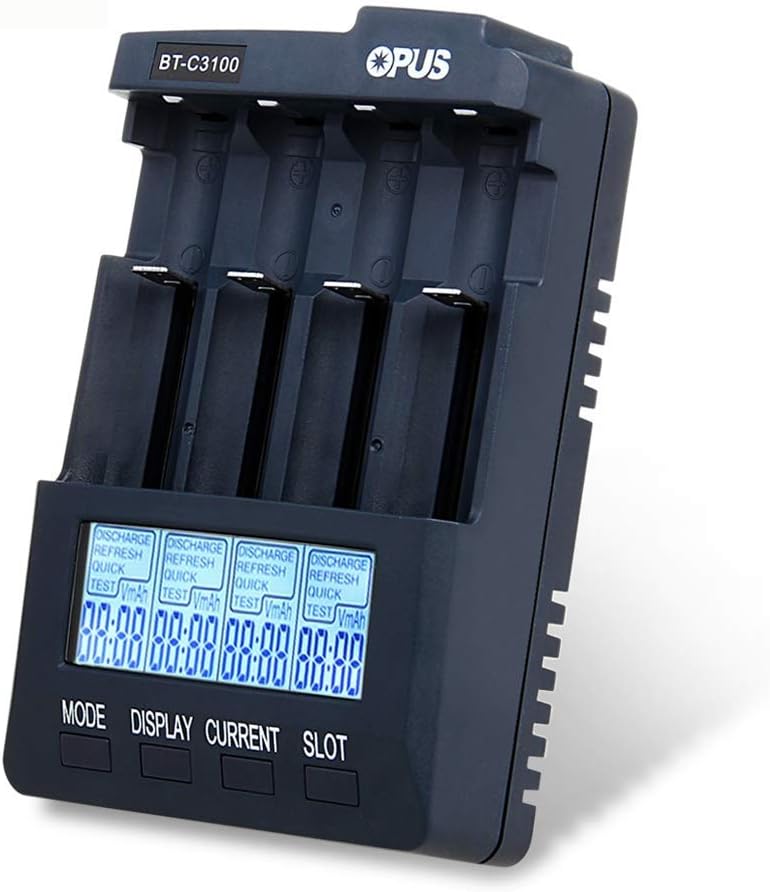
The Opus BT-C3100 V2.2 stands out as a versatile 4-slot charger supporting both Ni-MH/Ni-Cd and 3.7V Li-ion chemistries, including 18650 and 26650 cells. Buyers should prioritize chargers offering independent channel control, like this model, which allows different battery types to charge simultaneously without cross-contamination risks.
Key Considerations Before Buying
- Verify compatibility with your specific battery sizes—this charger accommodates unusual formats like 17670 and 18490, but check dimensions for protected cells that may exceed slot length.
- Assess charging current flexibility: The C3100's adjustable 200-2000mA per channel lets you balance speed against battery longevity, crucial for expensive Li-ion cells.
- Consider analysis features: This unit's LCD displays voltage, capacity charged, and internal resistance—valuable data points for diagnosing aging batteries that generic chargers omit.
What Our Analysts Recommend
Quality universal chargers provide individual slot monitoring, not just bank charging. The C3100's independent microprocessor per slot prevents overcharging mismatched batteries. Genuine smart chargers should offer multiple termination methods (ΔV/0dV for Ni-MH, CC/CV for Li-ion) like this model, not just simple timers.
Battery Chargers Market Context
Market Overview
The universal charger market has shifted toward multi-chemistry support, with premium models like the Opus BT-C3100 V2.2 incorporating diagnostic features previously found only in hobbyist equipment. Current offerings range from basic $15 units to $70+ analyzers, placing this model in the mid-range feature segment.
Common Issues
Many universal chargers poorly handle mixed chemistry charging or lack proper Li-ion protection circuits. Some units overheat during high-current charging of 26650 cells, while others misidentize Ni-MH termination points, leading to undercharged batteries. Plastic construction can warp with sustained 2A charging loads.
Quality Indicators
Look for UL/CE certification markings, independent channel control confirmed in manuals, and thermal sensors mentioned in specifications. Quality chargers like the C3100 V2.2 use spring-loaded contacts with metal guides rather than plastic slides, and include spacers for smaller cells like 14500 batteries.
Review Authenticity Insights
Grade B Interpretation
A Grade B with 10% estimated fake reviews indicates strong authenticity signals—the 4.30 adjusted rating from verified purchases suggests genuine satisfaction. This fake rate is below the 15-20% seen in problematic charger listings where inflated ratings mask compatibility issues.
Trust Recommendation
Focus on the 7 verified purchase reviews in the analysis sample, particularly those mentioning long-term use with 18650 batteries or specific charging modes. The 0.26-point drop from displayed to adjusted rating is moderate, suggesting some review inflation but not systematic manipulation.
Tips for Reading Reviews
Prioritize reviews discussing actual charging performance metrics like 'recovered 2800mAh on my aging 18650s' over vague praise. Look for mentions of the LCD display accuracy, slot independence verification, and thermal performance during 2A charging—these indicate hands-on experience.
Expert Perspective
The Opus BT-C3100 V2.2 represents a compelling mid-tier option for users needing both Ni-MH and Li-ion support with diagnostic capabilities. Its 4.30 adjusted rating from verified purchases suggests reliable performance, though the 10% fake review rate warrants scrutiny of recent feedback. The charger's value lies in its analysis functions—internal resistance measurement and capacity testing—which are uncommon at this price point. The V2.2 iteration appears to address earlier thermal management concerns noted in previous versions.
Purchase Considerations
Weigh the diagnostic features against your actual needs; casual users might find simpler chargers sufficient. Consider your maximum cell size—while it handles 26650 batteries, the 2000mA maximum charge rate may be slow for high-capacity cells. The independent slot operation justifies the price premium if you regularly charge mixed battery types simultaneously.
Comparing Alternatives
Shoppers should compare the C3100's features against the Xtar VC4 Plus for basic charging or the SkyRC MC3000 for advanced customization at higher price points.


