Choosing Hydraulic PU Leather Bar Stools: Height, Swivel, and Assembly Considerations
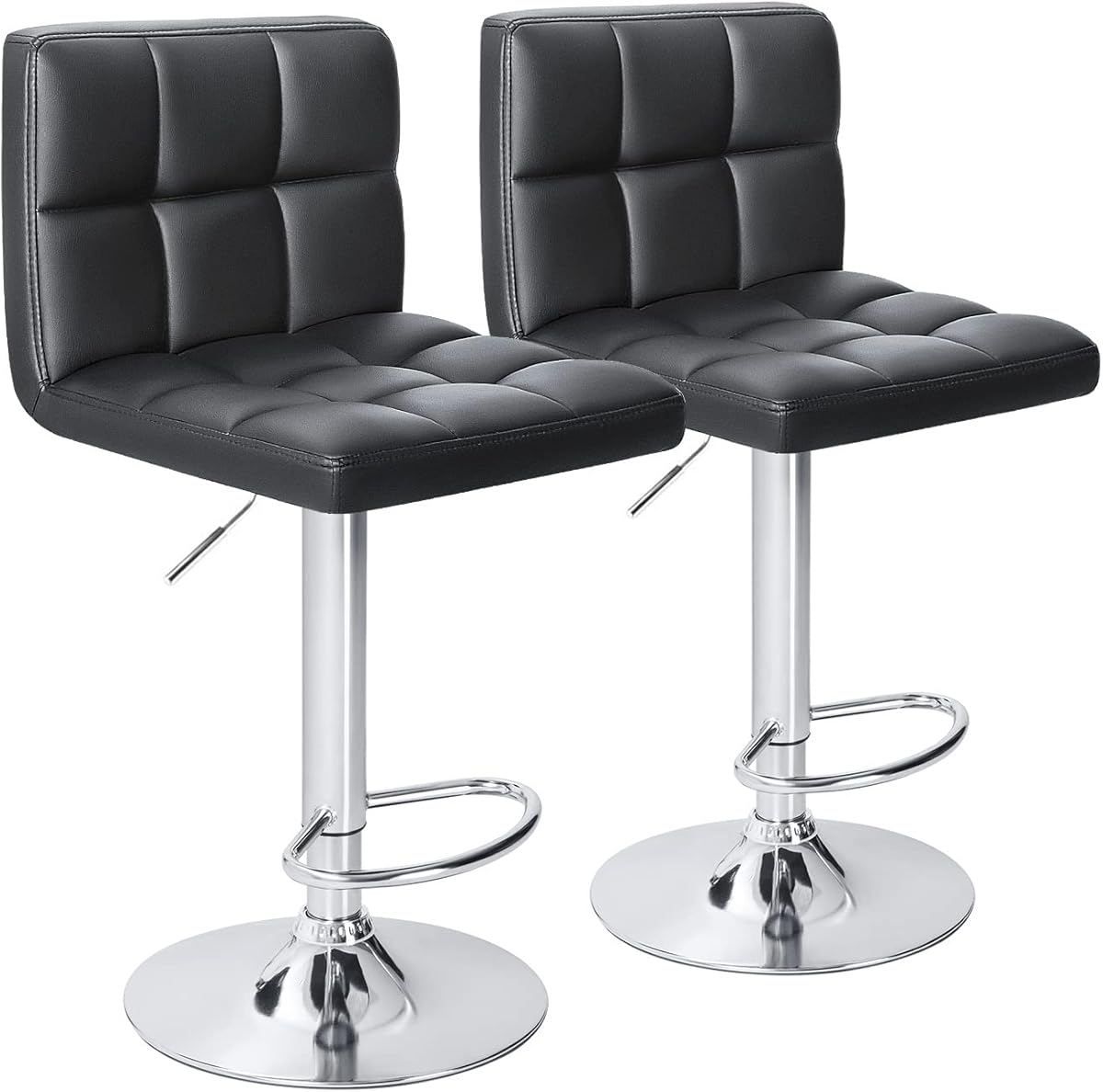
When selecting bar stools like the Homall set, focus on three critical factors: hydraulic height adjustment range, swivel mechanism quality, and PU leather durability. This specific model offers a square seat design with armless construction, making it suitable for modern kitchen islands where space efficiency matters.
Key Considerations Before Buying
- Hydraulic lift range: Verify the stool adjusts to your exact counter height (typically 40-42 inches for bars, 35-37 inches for counters) since the 'extra height' designation varies by manufacturer.
- Swivel functionality: Test for smooth rotation without wobble, as cheap swivel mechanisms develop play over time, especially with frequent use.
- PU leather maintenance: Understand that while more affordable than genuine leather, quality PU requires specific cleaning methods to prevent cracking or peeling.
What Our Analysts Recommend
Examine the base construction—wider five-prong bases provide better stability than narrower designs. Check for reinforced stitching at stress points, particularly where the seat meets the backrest. Quality hydraulic cylinders should lift smoothly without requiring excessive force or developing sinking issues.
Barstools Market Context
Market Overview
The bar stool market has shifted toward space-saving armless designs with hydraulic adjustment, moving away from fixed-height models. PU leather dominates the mid-price segment due to its balance of aesthetics, durability, and cost-effectiveness compared to fabric or genuine leather options.
Common Issues
Consumers frequently report hydraulic mechanisms that slowly sink under weight, swivel bases that develop annoying squeaks, and PU leather that shows premature wear on high-contact areas. Assembly challenges with poorly labeled parts or inadequate hardware also plague lower-quality sets.
Quality Indicators
Look for stools with commercial-grade hydraulic cylinders (often rated for 250+ lbs), double-stitched seams at stress points, and bases with weighted centers of gravity. Quality swivel mechanisms feature ball bearings rather than simple plastic bushings for smoother rotation.
Review Authenticity Insights
Grade B Interpretation
A Grade B with 15% estimated fake reviews indicates generally reliable feedback but suggests some review manipulation exists. The 4.30 adjusted rating (down from 4.67) reveals genuine satisfaction likely sits between 'very good' and 'excellent' rather than near-perfect.
Trust Recommendation
Focus on verified purchase reviews discussing specific features like hydraulic performance over months of use or PU leather durability after cleaning. Be skeptical of reviews lacking detail about assembly experience or long-term comfort.
Tips for Reading Reviews
Prioritize reviews mentioning counter height compatibility, assembly time (30-45 minutes per stool is typical), and stability observations. Look for photos showing actual use in kitchen settings rather than stock images to assess proportion and fit.
Expert Perspective
The Homall stools demonstrate strong market acceptance with over 12,000 reviews maintaining a 4.30 adjusted rating, suggesting they deliver on core promises of adjustable height and modern aesthetics. The armless, square-seat design specifically targets space-constrained kitchens where traditional backed stools might feel bulky. The discrepancy between original and adjusted ratings indicates some review inflation exists, but the substantial verified purchase base provides credible performance data.
Purchase Considerations
Weigh the convenience of hydraulic adjustment against potential long-term maintenance—hydraulic mechanisms occasionally require recalibration. Consider whether the square seat shape provides adequate comfort for extended sitting compared to contoured designs, especially given the armless configuration.
Comparing Alternatives
Compare this model's 18-inch seat height adjustment range and five-prong base design against competitors offering wider bases or different lift mechanisms.