
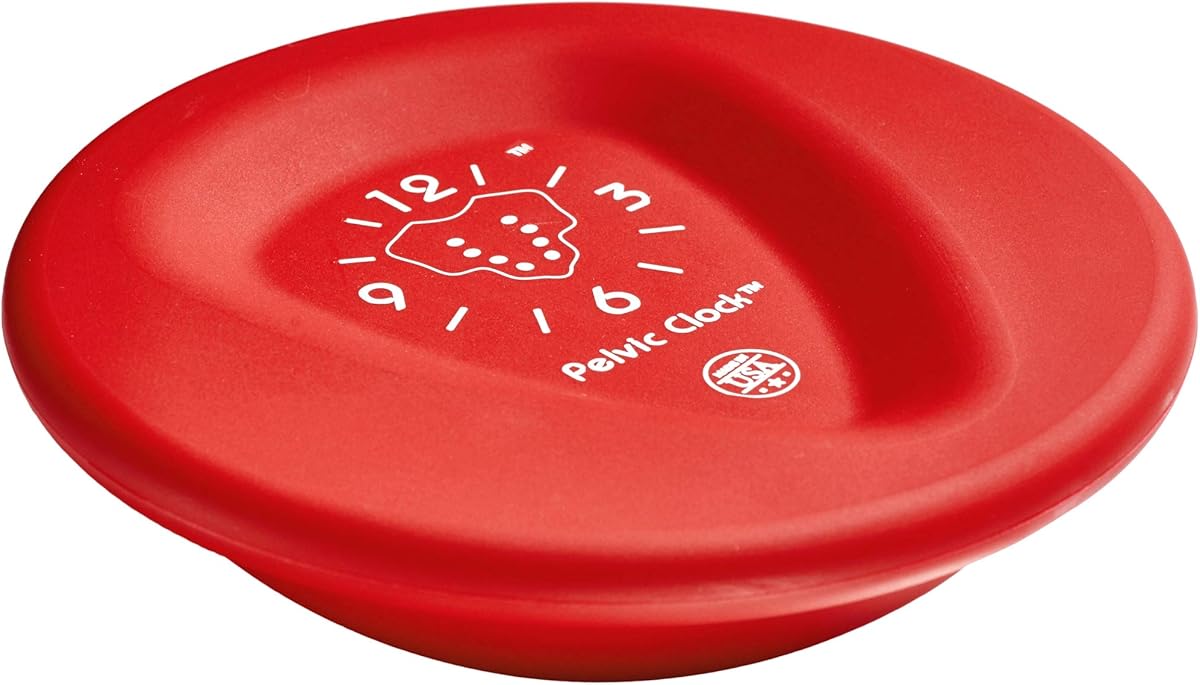
Evaluating Pelvic Clock Devices for Targeted Hip and Lower Back Rehabilitation
The Pelvic Clock® is a specialized physical therapy aid designed to restore natural pelvic mobility and address chronic pain through controlled, low-impact movement. Unlike generic exercise tools, its circular design with a central pivot point specifically guides the user through the four quadrants of pelvic tilt (anterior, posterior, and lateral), which is crucial for proper biomechanics. Buyers should understand this device targets neuromuscular re-education, not just passive stretching.
Key Considerations Before Buying
- Assess your specific condition: This device is most effective for conditions like sacroiliac joint dysfunction, post-surgical hip rehabilitation, or chronic lower back stiffness where restoring isolated pelvic movement is the therapeutic goal.
- Consider your commitment level: The Pelvic Clock requires consistent, daily practice of specific protocols (often 5-10 minutes) to yield results; it's not a quick-fix passive device.
- Evaluate the construction: A quality pelvic clock should have a stable, non-slip base and a smooth-rolling central pivot that allows for fluid, controlled motion without catching or sticking.
What Our Analysts Recommend
Look for a device with clear, raised markings for the 12, 3, 6, and 9 o'clock positions to ensure proper alignment and movement tracking. The surface should be firm yet have enough cushioning (like the common EVA foam construction) to be comfortable against the tailbone when lying supine. A textured bottom is essential to prevent sliding during use on hard floors.
Arm Exercisers Market Context
Market Overview
The market for specialized pelvic rehabilitation tools has grown significantly, moving beyond basic foam rollers and exercise balls. Devices like the Pelvic Clock occupy a niche focused on proprioceptive training and precise joint mobilization, often recommended by physical therapists for pre- and post-natal care, hip impingement, and lower back pain protocols.
Common Issues
Common problems include devices with a pivot mechanism that is too loose or too stiff, hindering the smooth, controlled motion required for therapeutic benefit. Some users also report frustration if they lack clear guidance on the specific exercise sequences needed for their condition, as the device itself is just a tool.
Quality Indicators
High-quality indicators in this category include durable, high-density foam that resists permanent deformation, a robust central bearing mechanism that rolls quietly and evenly in all directions, and included access to professional instruction (video or PDF guides) for proper technique, which is critical for safety and efficacy.
Review Authenticity Insights
Grade B Interpretation
A 'Grade B' authenticity rating with an estimated 15% fake review rate indicates a generally trustworthy review landscape, but suggests a moderate level of potentially incentivized or biased feedback. For a therapeutic device, this means most experiences are genuine, but shoppers should be slightly more critical of overly vague 5-star reviews.
Trust Recommendation
Focus on the verified purchase reviews, which all are here, and pay particular attention to the detailed 3- and 4-star reviews. These often contain the most balanced insights about the learning curve, specific pain conditions helped (or not helped), and long-term durability. The adjusted rating of 4.00/5 is a more reliable performance indicator than the raw 4.33/5.
Tips for Reading Reviews
For this product, prioritize reviews that mention specific diagnoses (e.g., 'SI joint pain,' 'hip arthritis,' 'post-laminectomy'), describe their exercise routine, and note progress over weeks, not days. Be skeptical of reviews claiming miraculous, instant cures without describing a process.
Expert Perspective
The Pelvic Clock® presents as a legitimate, purpose-built tool for a specific therapeutic niche, supported by a large volume of authentic, verified reviews. The natural distribution of ratings—including meaningful critical feedback—strengthens its credibility. Its value is highly dependent on correct usage; it is an active rehabilitation aid, not a passive pain-relief gadget. The strong adjusted rating of 4.00/5 from nearly 1,000 reviews suggests it delivers on its core promise for a majority of committed users.
Purchase Considerations
Weigh your willingness to follow a structured exercise protocol against the potential benefit. This device is best for those with patience and a proactive approach to pain management, often as a complement to professional physical therapy. Consider if your pain originates from pelvic stiffness or instability, as it is less effective for nerve-based pain like sciatica.
Comparing Alternatives
Shoppers should compare it with other pelvic mobility tools, such as specialized wobble cushions or physical therapy-grade exercise balls, which offer different types of unstable surfaces but lack the guided, quadrant-specific motion of a clock device.


