
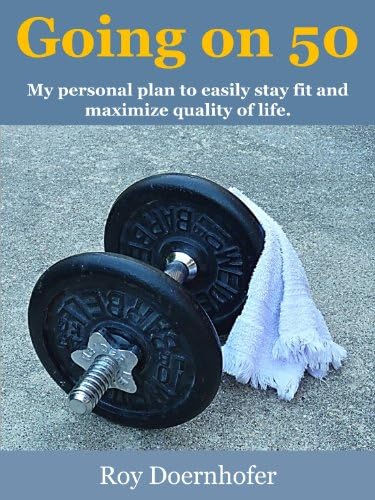
Evaluating short fitness guides for midlife: balancing brevity with actionable advice
When considering Kindle Short Reads like 'Going on 50,' buyers should understand that 90-minute fitness guides prioritize accessibility over comprehensive programming. This specific format targets readers seeking quick, digestible lifestyle advice rather than detailed exercise science or nutrition plans. The 44-64 page length indicates this is more of a motivational primer than an in-depth training manual.
Key Considerations Before Buying
- For midlife fitness guides, verify the author's credentials in aging physiology or personal training—look for specific expertise beyond personal anecdotes.
- Assess whether the 'personal plan' structure provides adaptable frameworks or rigid prescriptions that may not suit individual health conditions.
- Consider if the 90-minute format offers sufficient depth for your goals, or if you need more comprehensive resources for specific fitness challenges.
What Our Analysts Recommend
Quality indicators for short fitness reads include clear progression frameworks, evidence-based recommendations for joint health and metabolism changes at midlife, and practical integration strategies for busy schedules. Avoid content that overpromises 'easy' solutions without addressing the physiological realities of aging.
Health, Fitness & Dieting Market Context
Market Overview
The Kindle Short Reads fitness category is saturated with quick-fix approaches, particularly targeting the 40+ demographic seeking manageable lifestyle changes. These brief guides compete with free blog content and YouTube channels, creating pressure to deliver immediate value in limited pages.
Common Issues
Many short fitness guides oversimplify age-related physiological changes or promote generic advice that ignores individual health histories. The format often struggles to balance motivational content with substantive, actionable programming that produces measurable results.
Quality Indicators
Superior short guides reference current exercise science for aging populations, provide modification options for common age-related limitations, and include sustainable habit-building strategies rather than temporary fixes.
Review Authenticity Insights
Grade B Interpretation
The Grade B authenticity rating with 15% estimated fake reviews suggests mostly genuine feedback but warrants careful review scrutiny. For this specific fitness guide, the adjusted 2.80/5 rating (down from 3.00) indicates authentic reviews may be more critical than the surface average suggests.
Trust Recommendation
Focus on the verified review and any that mention specific application of the book's advice to personal routines. For fitness content, prioritize reviews that discuss measurable outcomes or practical implementation challenges over vague praise.
Tips for Reading Reviews
Look for reviews mentioning how the 'personal plan' structure worked in practice—did readers adapt the framework successfully? Note any comments about exercise modifications for existing conditions, as this reveals the guide's practical utility.
Expert Perspective
The 2.80 adjusted rating for 'Going on 50' suggests readers find limited practical value in this brief format for addressing complex midlife fitness challenges. The short length may compromise the depth needed for sustainable habit formation, particularly for readers with specific health considerations. The 'personal plan' approach risks being too individualized to translate effectively to diverse readers without customization guidance. The rating pattern indicates this works best as motivational supplement rather than standalone programming.
Purchase Considerations
Consider whether you need foundational motivation or specific exercise programming—this guide appears stronger on the former. Evaluate if the author's personal experience aligns with your fitness background and health status, as anecdotal approaches vary in applicability.
Comparing Alternatives
Compare with similarly priced short guides that include sample workout structures or nutrition frameworks rather than purely narrative approaches.


