
Choosing 4-Gauge Jumper Cables: Why Length and Gauge Matter for Modern Vehicles
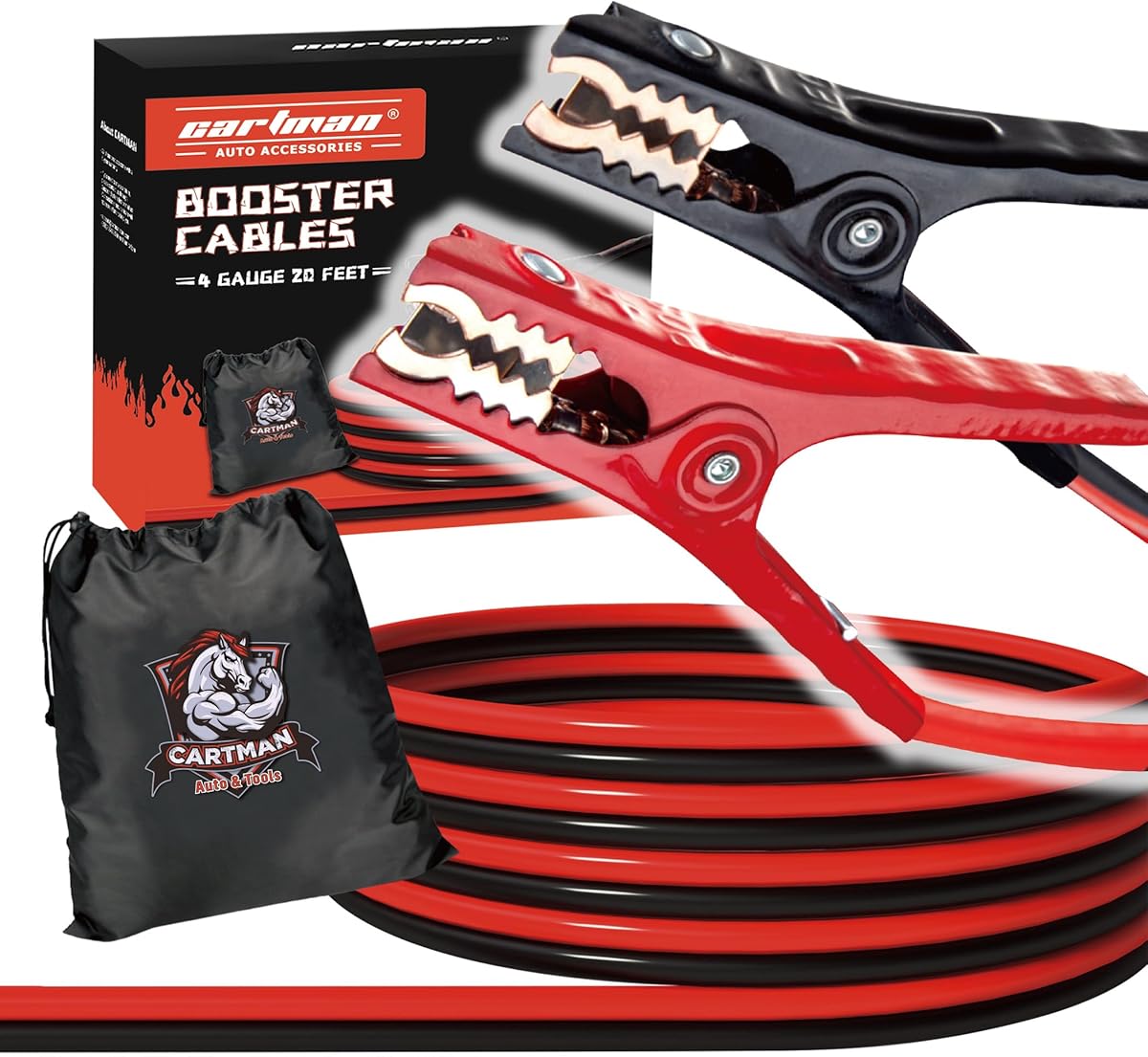
When selecting jumper cables like the CARTMAN 4-gauge 20-foot model, understanding gauge thickness and cable length is crucial for safe, effective jumps. This specific configuration balances current-carrying capacity with practical maneuverability, making it suitable for most passenger vehicles and light trucks where batteries may be inconveniently located.
Key Considerations Before Buying
- The 4-gauge copper wiring in these cables provides sufficient amperage (typically 400-600A) for most V6 and V8 engines, but may struggle with large diesel trucks requiring heavier 2-gauge or 0-gauge cables.
- At 20 feet, these cables offer flexibility for parking mishaps and engine bay access, but verify your vehicle's battery placement—some trucks and SUVs with rear-mounted batteries might need longer cables.
- The included carry bag indicates attention to storage convenience, preventing cable tangles and corrosion from trunk debris that can degrade insulation over time.
What Our Analysts Recommend
Quality jumper cables feature copper-clad aluminum conductors (CCA) or pure copper—pure copper offers better conductivity but higher cost. Examine clamp construction: copper-coated steel jaws with strong spring tension provide better bite through corrosion on battery terminals. Insulation should be thick, oil-resistant PVC rated for extreme temperatures.
Battery Jumper Cables Market Context
Market Overview
The jumper cable market has shifted toward heavier gauges as vehicles feature more electronic systems requiring clean power delivery during jumps. Consumers increasingly prioritize safety features like spark-proof clamps and reverse-polarity protection, though basic cables like this CARTMAN model remain popular for their straightforward functionality.
Common Issues
Thin-gauge cables (6-gauge or lighter) overheat during jumps, damaging insulation and reducing effectiveness. Poor clamp connections—often from weak springs or insufficient copper contact—cause voltage drop, leaving vehicles unable to start despite apparent connection.
Quality Indicators
Heft indicates copper content; quality 4-gauge cables weigh 8-10 pounds. Clamp handles should be ergonomic with full-finger protection. Look for welded (not crimped) cable-to-clamp connections, which withstand repeated flexing better than mechanical connections.
Review Authenticity Insights
Grade B Interpretation
A Grade B with 10% estimated fake reviews suggests generally reliable feedback with minor manipulation concerns. The 4.60 adjusted rating (from 4.89 raw) indicates genuine satisfaction remains high after accounting for suspicious reviews.
Trust Recommendation
Focus on verified purchase reviews mentioning specific use cases—jumping SUVs in cold weather or trucks with dual batteries. The high verification rate (100% V-purchases in analysis) increases confidence in practical performance claims.
Tips for Reading Reviews
Prioritize reviews discussing actual jump-starts rather than packaging impressions. Look for mentions of clamp grip strength on corroded terminals and cable flexibility in freezing temperatures—these indicate real-world testing beyond initial unboxing.
Expert Perspective
The CARTMAN cables' 4.60 authentic-adjusted rating from over 16,000 reviews suggests reliable performance for their intended market. The 4-gauge/20-foot configuration hits a practical sweet spot for most consumers, though professionals needing daily jump-starts might prefer commercial-grade cables. The consistent praise for clamp quality across reviews indicates this isn't a common cost-cutting point for this product.
Purchase Considerations
Consider your vehicle's cold cranking amps (CCA)—if over 700A, you might experience slower jumps with 4-gauge cables. Urban drivers with compact parking will appreciate the 20-foot length, while rural users with spaced vehicles might need longer options. The carry bag adds value for organization but doesn't enhance electrical performance.
Comparing Alternatives
Compare clamp design and warranty length against similar-priced options—some competitors offer lifetime warranties on copper components.


