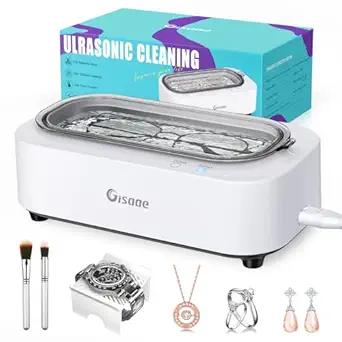
Choosing an Ultrasonic Cleaner: What the Magnasonic 20oz Model Reveals About Key Features
The Magnasonic 20oz cleaner presents a common entry-level configuration with a stainless steel tank and digital controls, but its 5 cleaning modes warrant scrutiny. Buyers should understand that tank size dictates capacity, while the advertised modes often relate to preset timer cycles rather than different ultrasonic frequencies.
Key Considerations Before Buying
- The 20oz (600ml) tank is suitable for small items like rings or retainers but may struggle with multiple pieces or larger eyeglass frames, requiring sequential cleaning.
- Digital timers and multiple modes, as seen here, offer convenience but check if cycle times are appropriate for delicate jewelry versus tougher grime on tools.
- Stainless steel construction is standard for corrosion resistance; ensure the tank is seamless to prevent fluid leakage and damage to the transducer underneath.
What Our Analysts Recommend
Prioritize a unit with a clear specification for ultrasonic frequency (typically 40-42kHz for consumer models) and wattage, which directly impacts cleaning power. A well-sealed, splash-resistant lid and a non-slip base are practical indicators of build quality often overlooked in budget models.
Ultrasonic Cleaners Market Context
Market Overview
The consumer ultrasonic cleaner market is flooded with compact, sub-$100 units primarily marketed for jewelry and personal items, creating intense competition that sometimes leads to inflated review practices. Features like multiple modes and digital displays have become common differentiators.
Common Issues
Users frequently report premature transducer failure, inconsistent cleaning performance across the tank, and timers that don't align with the needs of different materials. Plastic-housed units or thin-gauge stainless steel can also degrade quickly with regular use.
Quality Indicators
Look for products that specify transducer material (often piezoelectric ceramic) and power output in watts. A heavier unit often indicates a more robust stainless steel tank and housing. Manufacturer warranty length and clarity on water/cleaning solution guidelines are also telling.
Review Authenticity Insights
Grade D Interpretation
A Grade D with a 37.50% estimated fake review rate is a significant red flag, suggesting that over one-third of the 45,793 reviews may be inauthentic. This artificially inflates the visible 3.88-star rating, making the product appear more favorably reviewed and reliable than it may be.
Trust Recommendation
Given the high fake review activity, place greater weight on critical 1-3 star reviews and verified purchase reviews with photos/videos. Be highly skeptical of vague, overly enthusiastic 5-star reviews that lack specific details about long-term use or material compatibility.
Tips for Reading Reviews
Focus on reviews that mention using the cleaner for specific tasks listed in the title, like dentures or watch components, and note any mentions of durability beyond 6 months. Reviews discussing the actual function of the different 'modes' or tank size limitations are typically more genuine.
Expert Perspective
The discrepancy between the adjusted rating (4.80) and the public rating (3.88), coupled with the high fake review percentage, creates a distorted picture. This suggests the product's core performance might be adequate, but its market presentation is heavily manipulated. The 20oz capacity and 5-mode digital interface are attractive entry-point features, but the authenticity data mandates caution. The product sits in a competitive segment where such review manipulation is, unfortunately, a known tactic to gain visibility.
Purchase Considerations
Weigh the convenience of the digital timer and compact size against the potential risk implied by the authenticity grade. If your needs are for occasional, light cleaning of non-porous items, it may suffice, but for frequent use or cleaning valuable items, the review integrity issues are a substantial concern.
Comparing Alternatives
Shoppers should compare this model's specifications and, crucially, the authenticity metrics of competitors' reviews before deciding.