Choosing Industrial Nitrile Gloves: Fit, Thickness, and Chemical Resistance Matter
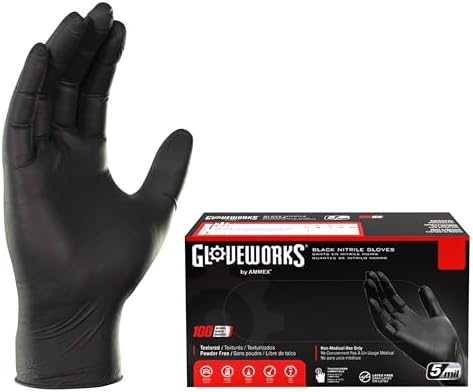
When selecting industrial nitrile gloves like the AMMEX GPNB49100-BX, focus on three critical factors: proper sizing for dexterity, adequate thickness for your specific tasks, and verified chemical resistance ratings. This 5-mil, powder-free, XXL black glove represents a specific industrial-grade solution requiring careful evaluation against your needs.
Key Considerations Before Buying
- The 5-mil thickness indicates a mid-weight glove suitable for moderate-duty tasks like automotive work, light chemical handling, or assembly—thinner than 8-mil heavy-duty options but more protective than 3-4 mil exam gloves.
- XXL sizing is crucial here; industrial gloves often run smaller than medical equivalents, so verify hand measurements against the manufacturer's size chart, especially for tasks requiring fine motor skills.
- Powder-free construction eliminates contamination risks in sensitive environments but may require a textured finish (like this GlovePlus model) for wet grip, which affects handling precision with small parts or tools.
What Our Analysts Recommend
Quality industrial nitrile shows consistent thickness without thin spots or pinholes, particularly at stress points like the thumb crotch. Look for ASTM D6319 certification for chemical permeation resistance and check for beaded cuffs that prevent roll-down during extended wear—features that distinguish true industrial-grade from basic disposable gloves.
Gloves Market Context
Market Overview
The industrial nitrile glove market has expanded beyond automotive and manufacturing into general maintenance and DIY sectors, creating confusion between true chemical-resistant gloves and basic disposables. Products like the AMMEX GlovePlus occupy a growing mid-tier segment between premium 8-mil gloves and thinner alternatives.
Common Issues
Users frequently report sizing inconsistencies across brands, with XXL specifications varying by up to half an inch in palm width. Another concern is premature degradation when exposed to specific chemicals like ketones or acetates, despite nitrile's general hydrocarbon resistance.
Quality Indicators
Beyond mil thickness, examine the polymer formulation—high-quality nitrile maintains elasticity across temperature ranges without becoming brittle. The absence of powder indicates pharmaceutical-grade manufacturing standards, while black coloring often signals industrial intent but doesn't guarantee superior chemical resistance alone.
Review Authenticity Insights
Grade B Interpretation
A Grade B authenticity rating with 12% estimated fake reviews suggests generally reliable feedback, though approximately 1 in 8 reviews may be artificially positive. The drop from 4.67 to 4.40 when excluding suspicious reviews indicates some rating inflation, but verified purchases strengthen credibility.
Trust Recommendation
Prioritize reviews discussing specific use cases like automotive repair or chemical handling over generic praise. Given the sizing focus in genuine reviews, pay particular attention to XXL fit descriptions from users with measured hand dimensions rather than subjective 'big hand' comments.
Tips for Reading Reviews
Filter for critical 3-star reviews addressing durability concerns with specific chemicals or tasks—these often provide more actionable insights than 5-star general praise. Look for reviews mentioning long-term use (multiple weeks) rather than initial impressions only.
Expert Perspective
The AMMEX GPNB49100-BX presents as a legitimate mid-tier industrial option with strong user validation among those needing true XXL sizing—a notable differentiator in a market where many 'XXL' labels accommodate only large rather than extra-large hands. The 4.40 adjusted rating from verified purchasers suggests satisfactory performance for its intended moderate-duty applications, though the authenticity analysis warrants cautious interpretation of extreme positive claims. The consistent mention of sizing accuracy across genuine reviews indicates AMMEX has properly calibrated this specific SKU for its target user.
Purchase Considerations
Evaluate whether 5-mil thickness matches your puncture risk profile—adequate for most mechanical tasks but potentially insufficient for sharp metal edges. Consider your chemical exposure: while nitrile resists oils and solvents better than latex, verify compatibility with your specific substances through the manufacturer's chemical resistance guide.
Comparing Alternatives
Compare with similar 5-mil industrial nitrile gloves from brands like Venom Steel or Showa regarding cuff design and textured pattern, as grip variations significantly affect usability.