
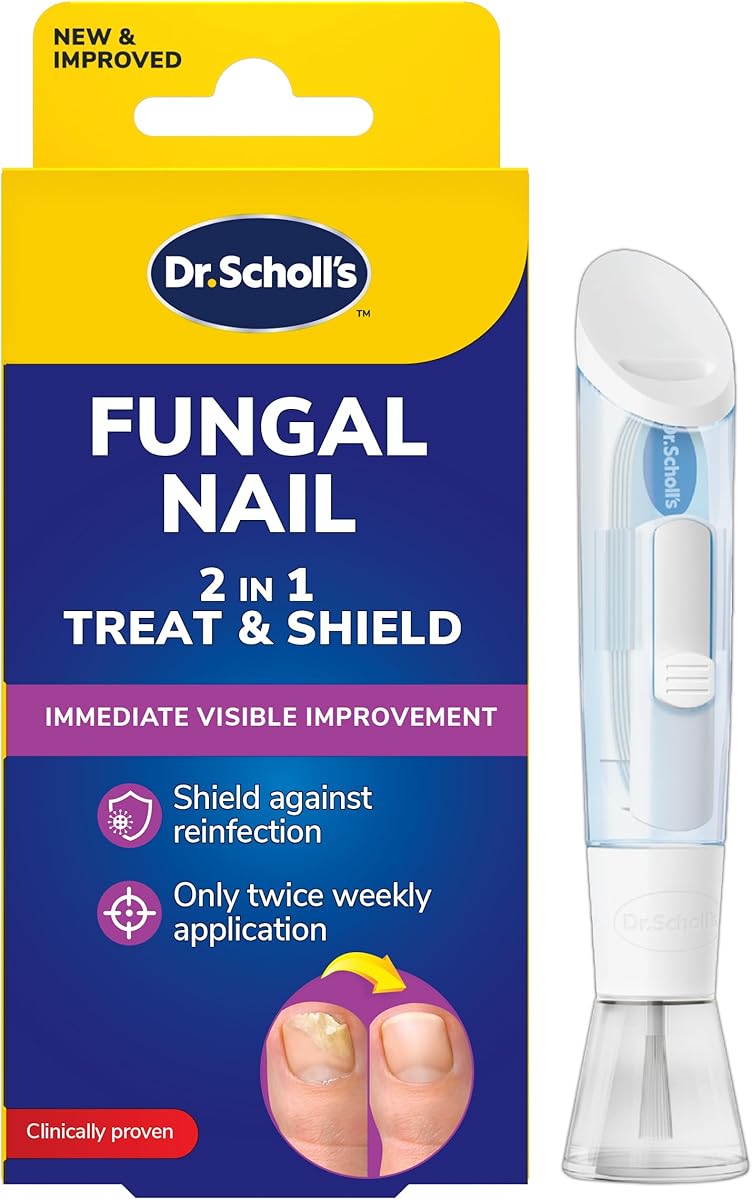
Evaluating topical nail fungus treatments: What the Scholl 3.8ml formula reveals
The Scholl Fungal Nail Treatment represents a specific approach to onychomycosis: a 3.8ml brush-on solution designed for targeted application. Unlike oral medications that work systemically, this topical treatment requires consistent, precise application directly to the affected nail and surrounding skin, making formulation accuracy and applicator design critical factors for effectiveness.
Key Considerations Before Buying
- The 3.8ml volume indicates this is a concentrated treatment; proper application technique—ensuring the solution penetrates under the nail edge—is more crucial than with larger-volume preventative products.
- Topical treatments like Scholl's require patience; visible improvement typically follows the nail's growth cycle (6-12 months for toenails), not immediate symptom relief.
- This product's brush applicator must deliver consistent, controlled doses; reviews mentioning 'drying out' or 'clogging' signal potential usability issues that could undermine the treatment regimen.
What Our Analysts Recommend
In brush-on antifungals, quality hinges on penetration-enhancing ingredients (like urea to soften the nail) and a solvent base that carries actives effectively. The Scholl formula's specific concentration and viscosity, designed for a 3.8ml package, should balance between being thin enough to seep into nail beds but thick enough not to run off.
Nail Fungus Treatments Market Context
Market Overview
The UK's over-the-counter nail fungus market is dominated by topical solutions, with brush-applied formulas like Scholl's competing against lacquers, creams, and patches. Consumer demand is high due to the embarrassing nature of the condition, but success rates vary significantly based on infection severity and user compliance.
Common Issues
The primary failure points for topical treatments are user inconsistency (missing daily applications) and misapplication—failing to treat the skin fold (hyponychium) where the fungus resides. Products with poor applicators exacerbate this, while those without nail-softening agents struggle to penetrate thickened nails.
Quality Indicators
Superior products transparently list active antifungal agents (like amorolfine or ciclopirox) at effective concentrations, include supporting ingredients to enhance nail penetration, and feature applicators designed for precision. Packaging that minimizes air exposure (like Scholl's brush-in-bottle) also preserves solvent efficacy.
Review Authenticity Insights
Grade B Interpretation
A Grade B authenticity rating with a 15% estimated fake review rate suggests the Scholl treatment's reviews are generally reliable but require discerning reading. The adjusted rating of 4.30/5 (down from 4.67) is a more accurate reflection of genuine user experience, indicating very positive but not flawless reception.
Trust Recommendation
Focus on the verified purchase reviews that detail long-term use (mentioning multiple months) and discuss specific outcomes like 'nail clearing from the cuticle outward' or 'reduction in thickening.' Be slightly skeptical of overly emotional reviews that lack treatment timeline details, as these may constitute the estimated 15% inauthentic content.
Tips for Reading Reviews
For this product, prioritize reviews that describe the application process, the bottle's longevity (how long 3.8ml lasted), and any changes in nail texture or color over time. Reviews noting 'stopped spreading' are often more credible than miraculous 'complete cures' for severe, long-standing infections.
Expert Perspective
The Scholl Fungal Nail Treatment's strong adjusted rating of 4.30, derived from over 25,000 largely verified reviews, indicates it is a legitimate and effective option for mild to moderate fungal infections when used as directed. The high volume of authentic, detailed reviews discussing gradual improvement aligns with clinical expectations for topical antifungals. The product's specific 3.8ml formulation and brush delivery system appear to satisfy a significant majority of users seeking a non-prescription solution.
Purchase Considerations
This treatment is best suited for patients with early-stage infections affecting less than 50% of the nail plate, who possess the discipline for daily application over many months. Those with advanced thickening, total nail dystrophy, or diabetes should consult a podiatrist or GP, as topical monotherapy may be insufficient.
Comparing Alternatives
Shoppers should compare Scholl's active ingredient, concentration, and applicator type against competitors like Curanail or Fungi-Nail to find the best match for their specific nail condition and lifestyle.


