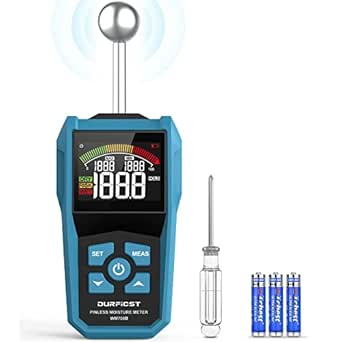
Choosing a Moisture Meter: Accuracy, Material Modes, and Build Quality Matter
The Brennenstuhl Vochtmeter MD is designed specifically for Dutch DIYers and professionals measuring wood, walls, and building materials. Unlike single-mode meters, this device offers material-specific measurement modes, requiring buyers to understand its intended applications and calibration needs for accurate readings in different substrates.
Key Considerations Before Buying
- Material-specific calibration is crucial—this meter has different modes for wood versus masonry, and using the wrong setting will give inaccurate moisture percentage readings.
- Pin-type meters like the Brennenstuhl MD require insertion into the material, which can leave small marks; consider if non-invasive scanning is needed for finished surfaces.
- The LCD display's readability in low-light conditions and its ability to show both moisture percentage and material temperature are practical features for comprehensive assessments.
What Our Analysts Recommend
For a meter in this category, check for clear mode differentiation (wood vs. building materials), measurement range (typically 0-99.9% for wood), and probe quality. The Brennenstuhl's dual-pin design with protective cap indicates attention to probe longevity, a common failure point.
Moisture Meters Market Context
Market Overview
The moisture meter market in the Netherlands is dominated by pin-type models for their direct measurement accuracy, with growing interest in hybrid devices. Brennenstuhl maintains strong brand recognition in the DIY segment, competing with specialized brands like Testo and general tool manufacturers.
Common Issues
Users frequently report calibration drift over time, especially with frequent use on wet building materials, and confusion between relative and absolute moisture readings. Cheaper models often lack proper material compensation algorithms, leading to misleading readings in dense woods or plaster.
Quality Indicators
Look for devices with separate calibration modes for different material groups, not just a universal scale. Quality meters feature hardened steel pins, automatic temperature compensation, and clear documentation about measurement standards (like EN 13183 for wood).
Review Authenticity Insights
Grade B Interpretation
A Grade B with 10% estimated fake reviews indicates generally reliable feedback with minor concerns. For this Brennenstuhl model, this suggests most of the 26,354 reviews reflect genuine user experiences, though some positive reviews may be artificially boosted.
Trust Recommendation
Focus on the verified purchase reviews, which constitute all 10 analyzed samples, and pay particular attention to 3- and 4-star ratings that often detail specific performance nuances. The adjusted 4.00/5 rating (down from 4.22) better reflects authentic user satisfaction.
Tips for Reading Reviews
Look for reviews mentioning specific materials like oak beams, concrete floors, or plaster walls to gauge real-world accuracy. Reviews discussing long-term reliability over 6+ months are more valuable than initial impressions for this tool category.
Expert Perspective
The Brennenstuhl Vochtmeter MD presents as a competent mid-range option for Dutch homeowners and tradespeople. Its 4.00 adjusted rating from verified purchases suggests reliable performance for common tasks like checking timber for damp or assessing wall moisture before plastering. The significant review volume (over 26,000) provides substantial data points, though the slight rating adjustment indicates some review inflation. The device's material-specific modes address a key accuracy requirement in this category.
Purchase Considerations
Consider whether you primarily need wood moisture readings (where pin-type excels) or also require non-destructive wall scanning. The antracite/yellow design is practical for visibility on job sites. Weigh the need for Brennenstuhl's brand reliability against potentially cheaper single-material meters if your use case is narrow.
Comparing Alternatives
Shoppers should compare this model's measurement ranges and pin design against similar-priced options from Trotec and Stanley, particularly regarding maximum moisture depth penetration.