Evaluating 2-person infrared saunas: Key factors for home wellness investment
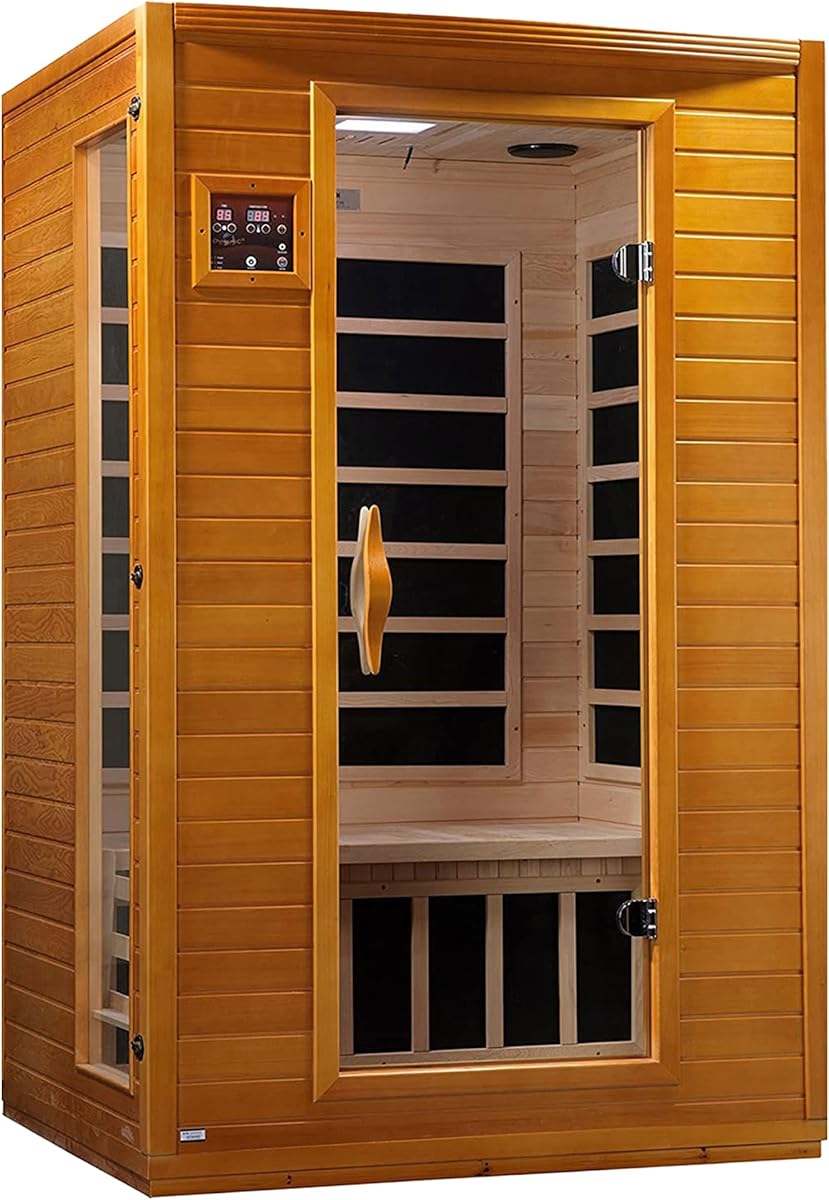
The DYNAMIC SAUNAS Andora combines FAR infrared heating with red light therapy in a Canadian Hemlock enclosure, representing a premium home wellness product. Buyers should understand how Low EMF certification, wood quality, and therapeutic feature integration affect long-term satisfaction with this specific configuration.
Key Considerations Before Buying
- Low EMF certification is crucial for infrared saunas—this model's specific FAR infrared heaters should emit minimal electromagnetic fields during operation, a key safety consideration for regular home use.
- Canadian Hemlock construction offers dimensional stability in varying humidity, but requires proper maintenance to prevent warping or cracking in the sauna's assembled environment.
- The integration of red light therapy panels alongside infrared heaters creates a multi-wavelength therapeutic environment, but effectiveness depends on proper panel placement and wavelength specifications.
What Our Analysts Recommend
Quality indicators include tongue-and-groove joinery in the Hemlock panels, UL-certified electrical components, and precise temperature control systems. The Bluetooth speaker integration should have moisture-resistant components given the sauna's high-heat environment.
Saunas Market Context
Market Overview
The home infrared sauna market has expanded rapidly, with 2-person models like the Andora targeting space-conscious consumers seeking therapeutic benefits. Premium positioning with Canadian wood and multiple therapy systems distinguishes this from basic infrared units.
Common Issues
Assembly complexity, inconsistent heating distribution, and electrical component failures plague lower-quality infrared saunas. Wood selection directly impacts durability—inferior woods can warp or develop gaps under repeated thermal cycling.
Quality Indicators
Look for solid wood construction (not veneered composites), ceramic or carbon FAR infrared heaters (not metal rods), and proper ventilation systems. The Andora's specific combination of therapy features suggests targeting the higher-end wellness market segment.
Review Authenticity Insights
Grade B Interpretation
A Grade B authenticity rating with 10% estimated fake reviews indicates generally trustworthy feedback, though some promotional content may be present. The adjusted 4.60/5 rating (from 4.89/5) suggests genuine satisfaction slightly lower than the displayed average.
Trust Recommendation
Focus on reviews discussing specific experiences with assembly, long-term wood maintenance, and therapeutic effect consistency. Given the 564-review sample size, look for patterns in feedback about the Bluetooth speaker performance in humid conditions.
Tips for Reading Reviews
Prioritize reviews mentioning actual usage frequency, temperature accuracy over time, and customer service interactions. Be skeptical of reviews that don't address the Canadian Hemlock's performance or the Low EMF claims specifically.
Expert Perspective
The Andora's 4.60 adjusted rating from verified analysis suggests strong consumer satisfaction, particularly notable for a premium-priced home sauna. The combination of FAR infrared (versus near-infrared) with red light therapy represents a deliberate therapeutic approach, though effectiveness depends on proper usage protocols. The Canadian Hemlock construction indicates attention to material quality, which should translate to better thermal retention and durability than cheaper woods.
Purchase Considerations
Weigh the space requirements (including electrical access and ventilation) against the 2-person capacity—this isn't a compact unit. Consider whether the red light therapy integration justifies the premium over basic infrared models, as standalone red light panels are also available.
Comparing Alternatives
Compare with similar 2-person infrared saunas using different wood types (like cedar or basswood) and heater configurations to assess value proposition.