
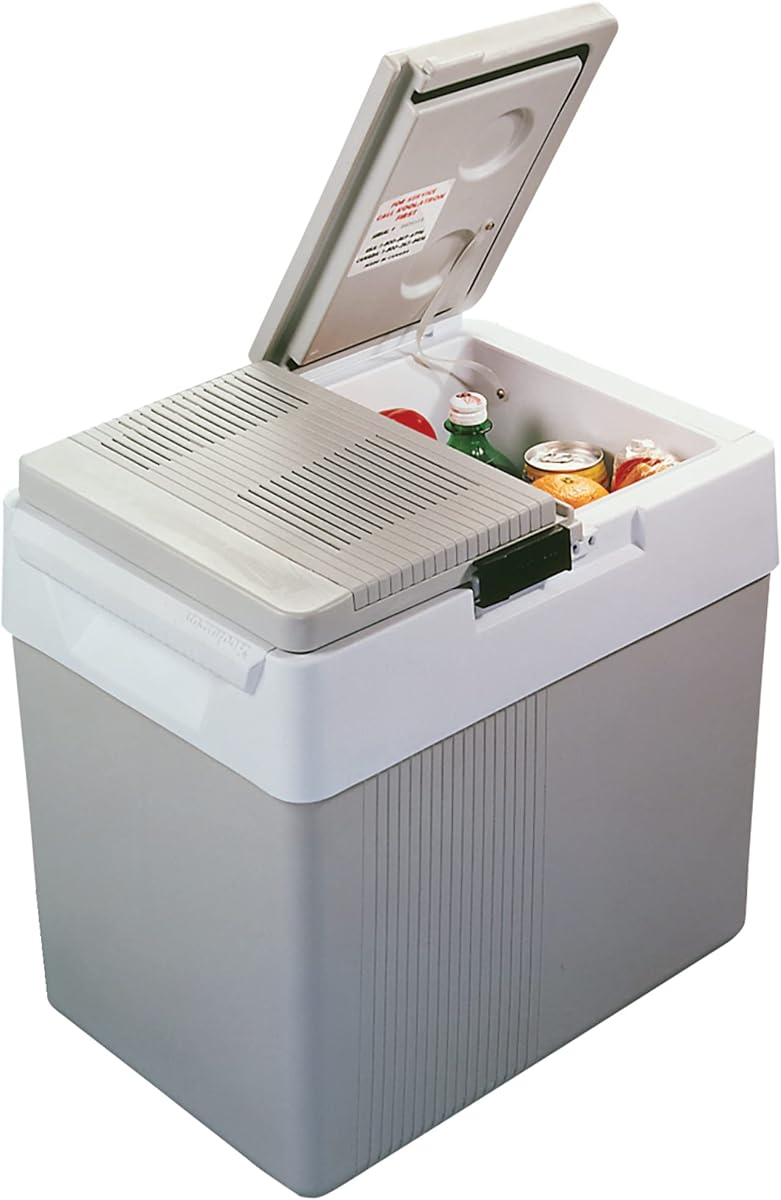
Evaluating 12V thermo-electric coolers for reliable temperature control on the road
The Koolatron 33-quart thermo-electric cooler represents a specific niche in portable cooling: plug-in units designed for continuous 12V power rather than ice-dependent coolers. Unlike compressor-based portable fridges, thermo-electric models like this one use Peltier technology that can both cool and warm, but with specific performance limitations buyers must understand. This 31-liter capacity unit targets campers and truckers who need moderate cooling without ice management.
Key Considerations Before Buying
- Thermo-electric cooling typically achieves 40°F below ambient temperature, meaning it struggles in hot weather without pre-chilled contents or supplemental cooling.
- The 12V-only power design requires continuous vehicle connection or a power station, limiting stationary use unless you invest in additional adapters.
- At 33 quarts, this cooler provides substantial capacity but draws significant power (up to 5 amps), potentially draining vehicle batteries during extended engine-off periods.
What Our Analysts Recommend
For thermo-electric coolers, examine insulation thickness around the lid and walls—thicker polyurethane foam maintains temperature better during power interruptions. Quality units feature robust 12V connectors with strain relief, not flimsy cigarette lighter plugs prone to disconnection. Check for interior drainage systems, as condensation management separates functional camping coolers from problematic ones.
Coolers Market Context
Market Overview
The portable electric cooler market has bifurcated into premium compressor models offering true refrigeration and budget-friendly thermo-electric units like this Koolatron. Thermo-electric technology hasn't seen major efficiency improvements recently, making older designs like this one compete primarily on price rather than performance. The 30-40 quart segment remains popular for small families and solo travelers who prioritize simplicity over deep cooling capability.
Common Issues
Thermo-electric coolers frequently disappoint users expecting refrigerator-like performance, particularly in ambient temperatures above 80°F. Power consumption concerns dominate reviews, with many users reporting vehicle battery drain during overnight camping. The dual-purpose cooling/warming function often performs better as a food warmer than as an effective cooler in warm conditions.
Quality Indicators
Superior thermo-electric coolers feature dual-fan systems for better heat dissipation, temperature displays with actual readings (not just settings), and robust latches that maintain seal integrity on rough roads. Quality units specify maximum ambient temperature ratings rather than vague 'ideal condition' claims.
Review Authenticity Insights
Grade B Interpretation
The Grade B authenticity rating indicates generally trustworthy reviews with moderate manipulation concerns. The 15% estimated fake review percentage suggests some review padding exists, likely to counterbalance the low 2.90 adjusted rating. This discrepancy between displayed (3.11) and adjusted (2.90) ratings reveals potential review manipulation attempting to elevate marginal performance scores.
Trust Recommendation
Focus on verified purchase reviews discussing specific usage scenarios like 'kept drinks cool on a 75°F day' rather than vague praise. Be particularly skeptical of reviews claiming refrigerator-like performance in hot weather, as these contradict thermo-electric technology limitations. The adjusted 2.90 rating better reflects genuine user experience than the displayed 3.11 average.
Tips for Reading Reviews
Prioritize reviews mentioning actual temperature measurements and battery drain experiences. Look for patterns in moderate-temperature success stories versus hot-weather failures. Pay special attention to reviews discussing power consumption details and vehicle compatibility issues, as these represent authentic ownership experiences.
Expert Perspective
The Koolatron 33-quart represents a budget thermo-electric option with the limitations inherent to its technology. The significant gap between displayed and adjusted ratings (3.11 vs 2.90) suggests the product struggles to meet expectations despite potential review manipulation. Its best application is moderate-temperature use with pre-chilled contents, not as a primary cooling solution for extended hot-weather camping. The 12V-only design makes it specifically suitable for continuous driving scenarios rather than basecamp use without supplemental power.
Purchase Considerations
Consider this unit only if your use involves mostly driving with occasional stops, ambient temperatures below 80°F, and access to vehicle power without concern for battery drain. The warming function may provide more reliable utility than cooling for truckers needing meal heating. Evaluate your willingness to pre-chill all contents and manage power consumption versus paying more for compressor-based alternatives.
Comparing Alternatives
Shoppers should compare this unit against compressor-driven portable fridges in similar price ranges, which offer better cooling but often lack warming capabilities.


