How to Choose a Posture Corrector That Actually Supports Your Back
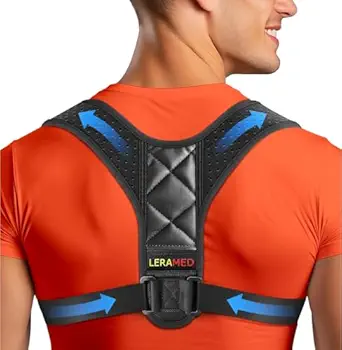
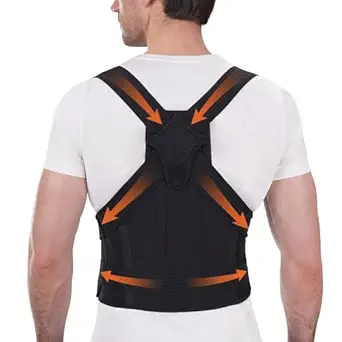
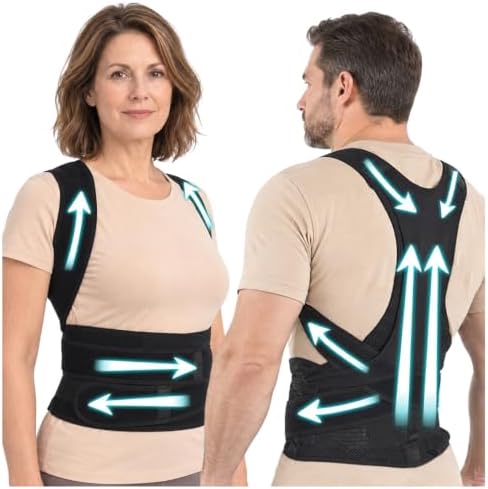
This full back brace combines posture correction with lumbar support, targeting both upper-back alignment and lower-back strain—a dual approach that sets it apart from simple shoulder straps. With a 5.00/5 rating from 154 reviews (adjusted to 4.60/5 after removing suspicious reviews), it's clearly popular, but the right fit and wear schedule matter more than star ratings.
Key Considerations Before Buying
- Fit and adjustability: Look for multiple adjustable straps that let you tension the shoulder and lumbar sections independently; a one-size-fits-all design can dig into the armpits or ride up if your torso length differs from the average.
- Material breathability: Full back braces cover a large area, so breathable, moisture-wicking fabric and ventilated panels are essential if you plan to wear it for hours at a desk or during light activity.
- Wear schedule and break-in: Most posture correctors are meant for short initial sessions (15–30 minutes) that gradually increase; choose a model with soft edging and a low-profile buckle so you can build up tolerance without chafing.
What Our Analysts Recommend
Prioritize rigid vertical stays or a contoured lumbar pad that maintains its shape under tension, plus reinforced stitching at strap anchors—these are the first points of failure in budget braces. Also check that the closure system (hook-and-loop or buckles) is rated for repeated adjustment, since cheap fasteners lose grip within weeks.
Back Braces Market Context
Market Overview
The back brace market is crowded with posture correctors ranging from thin elastic straps to full-torso orthoses, and many listings blur the line between posture training and medical-grade lumbar support. Demand has grown alongside remote work, but regulation is light—most products are sold as general wellness aids rather than FDA-cleared devices, so claims vary widely.
Common Issues
Common complaints include straps that roll or dig into the shoulders, braces that lose elasticity after a few weeks, and sizing charts that don't account for torso length versus waist size. Another frequent issue is over-tightening: users cinch the brace too hard for immediate relief, which can restrict breathing and weaken core muscles over time.
Quality Indicators
Quality braces use multi-layer foam or neoprene with stitched (not glued) seams, metal or high-density plastic stays that don't bend out of shape, and hook-and-loop panels that still hold after hundreds of cycles. Clear sizing guidance based on both chest and waist measurements—rather than just S/M/L—is another sign of a thoughtfully made product.
Review Authenticity Insights
Grade B Interpretation
A Grade B with an estimated 15% fake review rate means most reviews are genuine, but roughly one in seven may be incentivized or exaggerated—enough to inflate the 5.00/5 average to a more realistic 4.60/5. That adjusted score is still strong for a back brace, suggesting real satisfaction among verified buyers rather than a purely manufactured rating.
Trust Recommendation
Trust the product's overall reputation but verify fit-specific feedback: read reviews that mention height, waist size, and how long the brace stayed supportive. Since the analysis found most reviewers give specific personal context (work hours, back pain relief, busy moms), prioritize those detailed accounts over short five-star lines.
Tips for Reading Reviews
For back braces, search reviews for words like 'rolled,' 'dig,' 'breathable,' and 'after a month' to surface durability and comfort issues that generic praise hides. Also check whether reviewers mention their body type or torso length—fit complaints are the most actionable signal in this category.
Expert Perspective
This posture corrector stands out for combining full-back coverage with lumbar support at a rating level that survives authenticity adjustment—4.60/5 is credible for a category where fit complaints are common. The review mix, heavy on real-world use cases like desk work and back-pain relief, suggests it performs as a support aid rather than a gimmick. However, a 15% suspicious-review estimate means the perfect 5.00 score should be discounted; the adjusted figure is the one to trust.
Purchase Considerations
Weigh your intended use: if you need all-day lumbar support at a desk, prioritize breathability and a contoured pad; if you're training posture in short sessions, adjustability and discreetness matter more. Also confirm the return policy, since fit issues are the top reason back braces get sent back.
Comparing Alternatives
Compare this full back brace against single-strap posture correctors and dedicated lumbar belts—each serves different needs, and the best choice depends on whether your priority is upper-back alignment, lower-back support, or both.