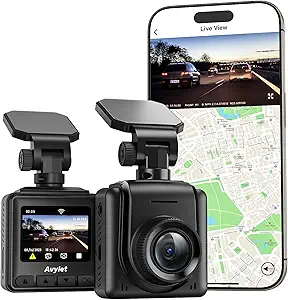
3-Channel 4K Dash Cams: What Buyers Need to Know
A 3-channel dash cam like this one records the road ahead, the cabin inside, and the rear simultaneously—a setup that's increasingly common for rideshare drivers, parents, and anyone wanting complete coverage. Before buying, understand how resolution, storage, and installation demands differ from a basic single-lens cam.
Key Considerations Before Buying
- Channel resolution allocation: True 4K is often reserved for the front camera only, while interior and rear channels may record at 1080p or lower. Check the spec sheet carefully, since '4K' on the box doesn't guarantee all three channels shoot at that resolution.
- Storage and file management: Three simultaneous streams generate large files, so you'll need a high-endurance microSD card (64GB minimum, 128GB+ preferred) and a cam that supports loop recording without gaps. Cards marketed for dash cams, not standard phone cards, last longer under constant write cycles.
- Installation complexity: Running a rear camera cable from the windshield to the back of the car typically requires tucking wires under trim panels. Some units include adhesive mounts and trim tools; others expect professional installation, which can add $100 or more to your total cost.
What Our Analysts Recommend
Prioritize cams with a supercapacitor rather than a lithium battery, since supercapacitors handle summer heat far better and are less prone to swelling or failure. Look for clear night-vision specs (Sony STARVIS sensors are a common quality marker) and confirm the parking-mode feature includes a hardwire kit or built-in battery protection to avoid draining your car battery.
On-Dash Cameras Market Context
Market Overview
The dash cam market has shifted rapidly toward multi-channel systems as rideshare driving and insurance disputes drive demand for interior and rear coverage. 4K front cameras are now common at mid-range prices, but true 4K across all three channels remains rare and usually signals a premium product. Brands range from established names like Vantrue, Viofo, and BlackVue to a flood of lesser-known sellers on Amazon.
Common Issues
Buyers frequently report exaggerated resolution claims, where '4K' applies only to the front lens or is interpolated from a lower native sensor. Overheating is another recurring complaint, especially in hot climates, and cheap adhesive mounts often fail within months. Wi-Fi apps can also be sluggish or buggy, making file transfer frustrating when you actually need footage.
Quality Indicators
A trustworthy 3-channel cam will specify the sensor model, native resolution per channel, and frame rate (30fps is standard; 60fps is better for the front). Look for GPS logging, a parking mode with buffered recording, and a warranty of at least 12 months. Reviews that mention long-term durability and heat performance are more telling than day-one impressions.
Review Authenticity Insights
Grade B Interpretation
A Grade B authenticity rating with an estimated 15% fake review rate means most reviews are genuine, but a meaningful minority may be incentivized or fabricated. The adjusted rating of 4.50/5 versus the raw 4.88/5 suggests the product is still well-liked, just not quite as universally praised as the headline number implies.
Trust Recommendation
Trust the adjusted 4.50 rating more than the 4.88, and focus on reviews that describe specific installation experiences, video quality in real conditions, and long-term use. Be cautious of reviews that are short, effusive, and lack any product-specific detail—these are the most likely to be inauthentic.
Tips for Reading Reviews
For dash cams, prioritize reviews that mention night footage, heat performance, and app reliability, since these are where budget models typically fall short. Look for reviewers who include sample footage links or describe their vehicle type, as these details are hard to fake and signal genuine ownership.
Expert Perspective
This 3-channel 4K dash cam targets buyers who want comprehensive coverage without a premium price, and the adjusted 4.50 rating suggests it delivers reasonably well for its class. However, the 15% estimated fake review rate means you should verify claims about true 4K resolution across all channels and night-vision performance independently. With only 18 reviews, the sample size is small, so the rating could shift as more buyers weigh in.
Purchase Considerations
Weigh the total cost including a high-endurance microSD card and potential professional installation, which can add $50–$150. If you drive in extreme heat, confirm the unit uses a supercapacitor and check reviews for overheating complaints. Rideshare drivers will benefit most from the interior channel, while casual drivers may find a 2-channel system sufficient and less expensive.
Comparing Alternatives
Compare this model against established 3-channel options from Vantrue, Viofo, and BlackVue, which often have larger review bases and proven heat resistance. Reading side-by-side comparisons of night footage and app usability will help you decide if the savings here are worth the trade-offs.