Long-Throw Tactical Flashlights: What 2624 Feet Really Means
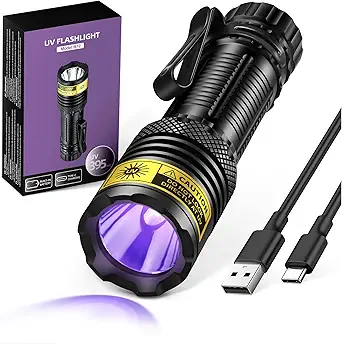
This rechargeable tactical light claims an 800-meter (2,624-foot) beam and doubles as a USB power bank. Before buying, understand that throw ratings are usually measured to 0.25 lux—about moonlight at the target—so real-world usable distance is shorter.
Key Considerations Before Buying
- Throw claims depend on emitter type and reflector depth; a genuine 800m rating typically requires a large-diameter head and a focused LED, which adds bulk and weight to a handheld light.
- A USB output that can charge a phone draws from the same cell that powers the light, so check the battery capacity and whether the light can run while charging—useful during outages.
- Rechargeable tactical lights vary in cell format (18650, 21700, or built-in packs); proprietary batteries are harder to replace, while standard cells let you carry spares.
What Our Analysts Recommend
Prioritize lights with published ANSI/FL1 runtime charts, a defined low mode for extended use, and an IPX rating for water resistance. A metal tail switch or dual-switch UI with momentary-on is a practical indicator of a light built for tactical use rather than casual carry.
Handheld Flashlights Market Context
Market Overview
The handheld tactical flashlight market is crowded with imported lights that advertise extreme lumen and throw numbers, often measured under favorable conditions. Buyers increasingly compare beam distance, runtime, and battery compatibility rather than headline lumens alone.
Common Issues
Overstated throw and lumen figures, thermal throttling that drops output within minutes, and vague or missing runtime specifications are recurring problems. Some lights also use non-standard cells that are difficult to replace when they degrade.
Quality Indicators
Look for ANSI/FL1-standardized specs, clear mode and runtime tables, and reviews that mention sustained output after 10–30 minutes. Replaceable standard-format cells and a defined warranty are stronger quality signals than peak output claims.
Review Authenticity Insights
Grade B Interpretation
A Grade B with an estimated 15% fake review rate means most of the 22 reviews read as genuine, but a meaningful minority may be incentivized or inflated. The adjusted 4.30/5 rating is a more conservative signal than the displayed 4.67/5.
Trust Recommendation
Weight the adjusted rating over the headline score and look for reviews that describe measured beam distance, runtime, or battery behavior. Treat short five-star reviews without usage detail as low-information.
Tips for Reading Reviews
For flashlights, prioritize reviews that mention sustained output, heat, switch feel, and charging behavior over first-impression comments. Reviews comparing the light to a known brand are especially useful for calibrating throw and build quality.
Expert Perspective
This light targets buyers who want long-distance illumination plus emergency phone charging in one tool. The 4.30/5 adjusted rating across a small review base suggests generally positive owner experience, but 22 reviews is a limited sample for a category where durability issues often surface months later.
Purchase Considerations
Weigh whether you need true long-throw performance—which usually means a larger head—versus a more compact everyday light. Confirm the battery format, whether the USB output works while the light is on, and the warranty terms before buying.
Comparing Alternatives
Compare this model against established tactical brands with published FL1 runtime data and standard 18650 or 21700 cells before committing.