Posture Correctors Decoded: What the Medical-Grade Label Really Means
When shopping for a posture corrector, the term 'medical-grade' signals a higher standard of support, but it also demands closer scrutiny. This device, designed for both men and women, promises to realign your shoulders and spine, yet not all braces deliver equal results. Understanding the mechanics and fit is crucial before you invest in your spinal health.
Key Considerations Before Buying
- Material and breathability: Since you'll likely wear this brace for hours, look for moisture-wicking fabrics and perforated panels to prevent skin irritation and overheating, especially during extended wear.
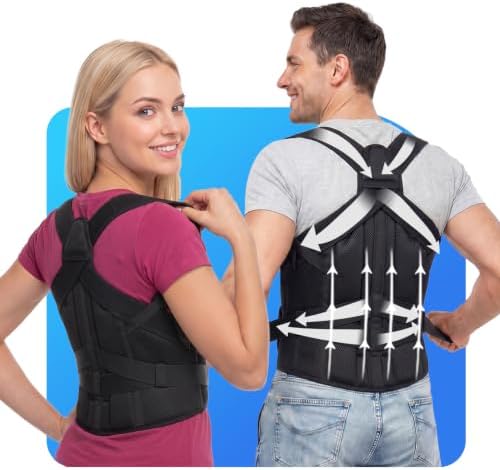
- Adjustability and fit: A one-size-fits-all approach rarely works. Ensure the brace offers multiple adjustment points—like shoulder straps and a lumbar pad—to tailor the fit to your body shape and the specific curve of your spine.
- Level of support: Medical-grade doesn't automatically mean maximum rigidity. Consider your needs: do you need gentle posture reminders for desk work, or firmer support for post-injury recovery? The right resistance level is key to both comfort and effectiveness.
What Our Analysts Recommend
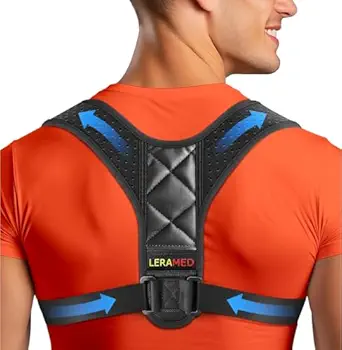
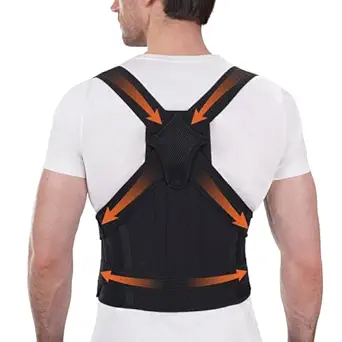
Quality indicators include reinforced stitching at stress points, a contoured back panel that mirrors the natural S-curve of your spine, and adjustable tension straps that hold their position without digging into your skin. Also, check for clear sizing charts and user instructions—a reputable product will provide detailed guidance to ensure you're using it correctly.
Back Braces Market Context
Market Overview
The posture corrector market has exploded with options ranging from $10 fabric straps to $200 smart devices. Amidst this variety, 'medical-grade' has become a buzzword, but few products actually meet clinical standards. Consumers are increasingly seeking evidence-based solutions, yet many are overwhelmed by marketing hype and conflicting advice.
Common Issues
The most frequent complaints in this category include poor fit, skin chafing, and lack of durability. Many users also find that cheaper braces roll up or shift during wear, making them useless. Another major issue is the misconception that a brace alone fixes posture—without accompanying exercises and ergonomic changes, results are often temporary.
Quality Indicators
To identify a quality posture corrector, look for materials like neoprene or breathable mesh, adjustable straps with high-density buckles, and a design that supports the thoracic spine without restricting movement. A product that has undergone testing for skin safety and offers a comfortable range of motion is more likely to be effective. Also, consider whether the brace is flexible enough to wear under clothing, as this encourages consistent use.
Review Authenticity Insights
Grade B Interpretation
The Grade B rating and 10% estimated fake review percentage indicate that while the majority of reviews are authentic, a small portion may be incentivized or non-genuine. This is fairly typical for a popular product with a 5-star rating, but it means you should read reviews with a critical eye, focusing on verified purchases and detailed, personal narratives.
Trust Recommendation
Given the high rating and low fake percentage, you can generally trust the positive feedback, but be sure to read the critical reviews as well. They often reveal potential flaws in sizing or comfort that may be overlooked in glowing testimonials. Cross-reference the product's claims with independent reviews on other platforms to get a well-rounded perspective.
Tips for Reading Reviews
When reading reviews for posture correctors, pay attention to comments about the brace's fit for different body types, how long it lasts after weeks of use, and whether it causes any discomfort during prolonged wear. Look for reviewers who mention specific activities (like desk work or lifting) and how the brace performed in those scenarios. Be wary of overly generic praise that lacks these details.
Expert Perspective
This posture corrector appears to be a well-received product with a genuine user base, as reflected in its high rating and low fake review percentage. The 'medical-grade' descriptor suggests a level of quality and support that many budget options lack, but it's not a magic solution. The product's effectiveness hinges on consistent use and integration into a broader posture-improvement routine. The fact that reviewers describe real-world usage, such as working at a desk, lends credibility to the product's claims.
Purchase Considerations
Before purchasing, consider your specific posture issues and whether this brace's support level aligns with them. Also, think about your daily routine—will you actually wear it for the recommended periods? If you're prone to skin sensitivity, verify the materials. Weigh the cost against the potential benefits, and remember that a posture corrector is a tool, not a cure.
Comparing Alternatives
While this brace offers solid features, it's wise to compare it with other top-rated models, particularly those that offer adjustable tension levels or smart sensors. Some users may prefer a softer, more flexible brace for all-day wear, while others need a rigid option for post-injury support. Your specific needs should guide your final choice.