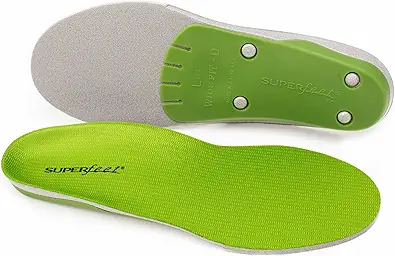
Heavy-Duty Arch Support Insoles: What to Know Before You Buy
If you're dealing with plantar fasciitis or general foot fatigue, heavy-duty arch support insoles like these are designed to provide rigid, structured support that can make a significant difference in your daily comfort. Unlike soft, cushiony insoles, heavy-duty options focus on correcting alignment and reducing strain on the plantar fascia, which is crucial for long-term relief.
Key Considerations Before Buying
- Consider the level of arch support you need. Heavy-duty insoles are typically rigid and may feel uncomfortable if you have low arches or are not used to structured support. Look for insoles with a deep heel cup and a firm arch to ensure proper alignment.
- Think about the shoes you'll use them in. These insoles are thicker and more substantial, so they may not fit in tight-fitting shoes like dress shoes or some sneakers. Ensure you have enough room in your footwear to accommodate the extra volume.
- Check the material and durability. Heavy-duty insoles should be made of high-quality materials like EVA foam, TPU, or a combination that provides both support and shock absorption. Look for moisture-wicking top layers to keep your feet dry and prevent odor.
What Our Analysts Recommend
When evaluating heavy-duty arch support insoles, look for a contoured footbed that cradles your heel and supports the medial arch. The insole should be firm but not rock-hard, with a slight give to absorb impact. Also, check for a non-slip bottom layer to keep the insole in place and a breathable top fabric to reduce friction and heat buildup.
Insoles Market Context
Market Overview
The insole market has grown significantly, driven by an increase in foot-related issues like plantar fasciitis and general foot pain. With more people standing for long hours or engaging in high-impact activities, the demand for heavy-duty support solutions has risen. This product sits in the 'Health & Household' category, targeting consumers who prioritize foot health as part of their overall well-being.
Common Issues
A common issue with insoles is finding the right balance between support and comfort. Many users report that overly rigid insoles cause discomfort or worsen pain if not properly fitted. Another issue is durability—some insoles lose their shape or cushioning quickly, especially with heavy use. Also, compatibility with different shoe types can be a challenge, as some insoles are too thick for certain footwear.
Quality Indicators
High-quality insoles are typically made from durable materials like polypropylene or high-density EVA. They feature a structured arch support that doesn't collapse under pressure, a deep heel cup for stability, and a top cover that is both soft and breathable. Brands that invest in biomechanical research or have endorsements from podiatrists tend to produce more reliable products.
Review Authenticity Insights
Grade B Interpretation
The Grade B and 15.00% estimated fake review percentage suggest that while most reviews are genuine, there is a notable minority that may be incentivized or unauthentic. This doesn't mean the product is poor, but it indicates that some reviews should be taken with a grain of salt. The high adjusted rating of 4.50/5 still suggests strong overall satisfaction among verified buyers.
Trust Recommendation
Given the analysis, you can generally trust the positive feedback, but it's wise to read a mix of reviews, focusing on those that mention specific details like fit, shoe compatibility, and long-term use. Look for reviews from verified purchases and those that discuss both pros and cons. Be cautious of overly enthusiastic reviews with generic language or no specific details.
Tips for Reading Reviews
When reading reviews for insoles, pay attention to mentions of arch height, foot type (e.g., high arches, flat feet), and the types of shoes used. Also, look for reviews that mention how the insoles held up over time—durability is key for heavy-duty products. Photos or videos of the insoles in shoes can also be helpful to gauge thickness and fit.
Expert Perspective
Based on the analysis, this product appears to be a solid choice for those needing heavy-duty arch support. The high genuine rating (4.50/5 after adjusting for potential fake reviews) indicates that real users are satisfied with its performance. The 15% fake review rate is a concern but not disqualifying, as the majority of feedback is authentic. The product's features—likely including a rigid arch, deep heel cup, and durable materials—align with what experts recommend for plantar fasciitis relief.
Purchase Considerations
Before purchasing, consider your specific foot needs and the shoes you plan to use these insoles with. If you have a history of foot issues, it might be worth consulting a podiatrist to confirm that heavy-duty support is appropriate for you. Also, be prepared for a break-in period, as rigid insoles can take time to get used to.
Comparing Alternatives
While this product seems promising, it's wise to compare it with other heavy-duty insoles on the market, such as those from brands like Superfeet or Powerstep, to ensure you're getting the best fit and support for your feet.