
Cervical Neck Pillows: Key Buying Tips for Pain Relief & Sleep Comfort
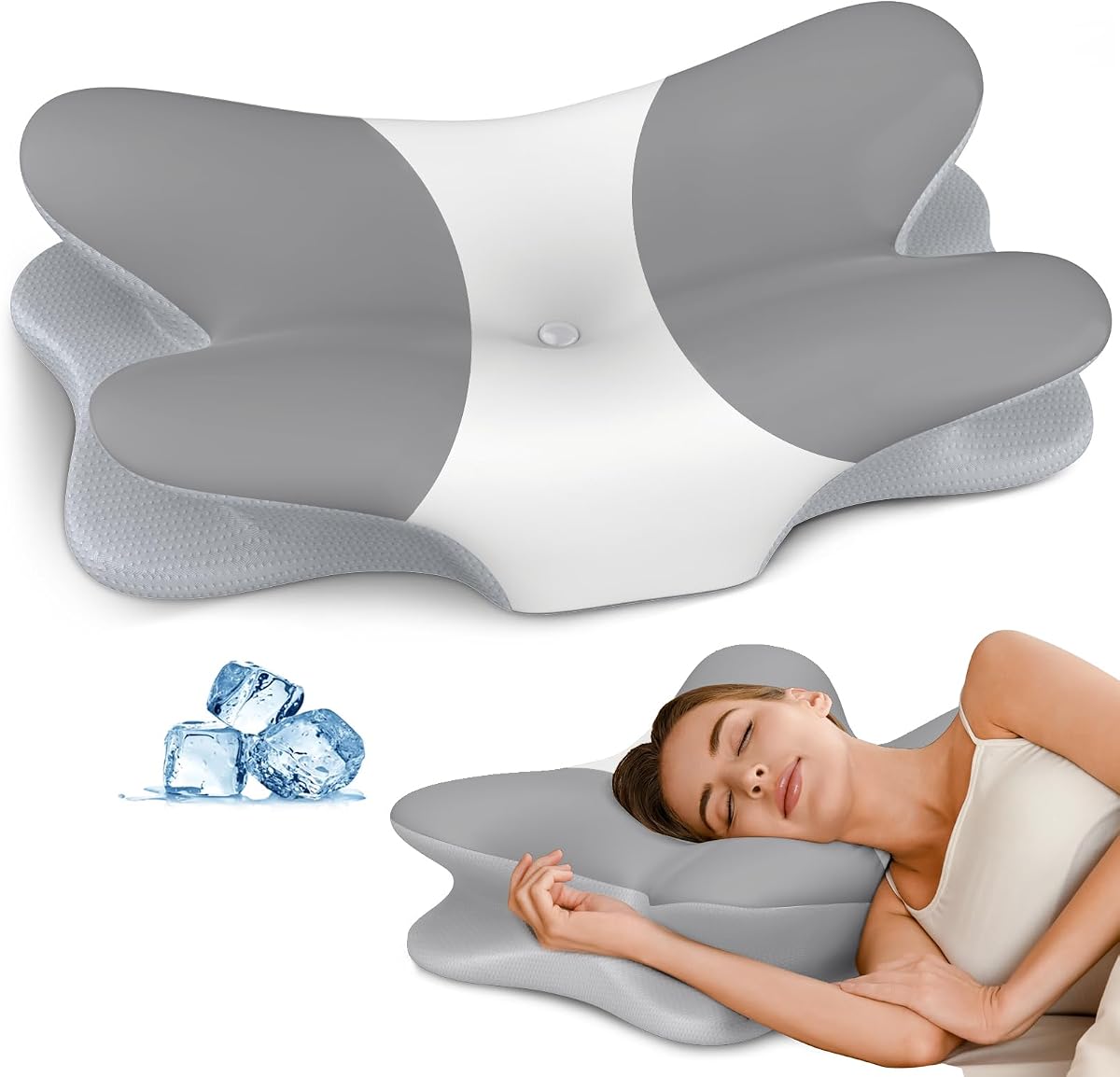
When shopping for a cervical neck pillow, understanding its contour design and material is crucial for achieving the intended pain relief and sleep benefits. This particular pillow, with its ergonomic contour and memory foam construction, targets neck support for various sleeping positions, but its effectiveness depends on your body size and sleep habits.
Key Considerations Before Buying
- Sleeping position: While marketed for all sleepers, side sleepers typically need a higher loft to fill the space between shoulder and head, whereas back sleepers need a lower loft to maintain natural neck curvature. Stomach sleepers might find any contour pillow too thick, so consider your primary position.
- Memory foam density and firmness: A higher density foam provides more support but can feel too firm for some, especially if you prefer a plush feel. Conversely, lower density foam may not offer adequate support for chronic neck pain, leading to morning stiffness.
- Contour shape and adjustability: The cervical roll and contoured depression should align with your neck's natural curve. Some pillows offer adjustable fill or a removable layer to customize height, which is a feature to look for if you're unsure about the fixed contour height.
What Our Analysts Recommend
Look for a pillow with a removable, washable cover and CertiPUR-US certified foam to ensure durability and safety. Check the dimensions and loft height against your body size, and read user reviews from people with similar sleep positions to gauge if the contour depth suits your neck length and shoulder width.
Neck & Cervical Pillows Market Context
Market Overview
The market for cervical pillows has expanded significantly, with a wide range of products from basic contoured foam to advanced gel-infused and adjustable models. Many brands claim 'orthopedic' benefits, but the actual quality and support vary widely, making it essential to evaluate each product's specific materials and design.
Common Issues
Common issues in this category include pillows being too high or too low for individual needs, foam that loses shape quickly, and covers that are difficult to remove or clean. Additionally, many pillows marketed as 'one-size-fits-all' fail to accommodate different body types, leading to discomfort or exacerbation of neck pain.
Quality Indicators
Quality indicators to watch for include high-density memory foam (at least 3 pounds per cubic foot), a contoured shape that supports both neck and head with an elevated cervical roll, and positive user feedback from verified buyers who mention specific improvements in sleep quality or pain reduction. Certifications like CertiPUR-US for foam safety and OEKO-TEX for fabric are also strong signals.
Review Authenticity Insights
Grade B Interpretation
The B grade with a 10% estimated fake review rate suggests that while the majority of reviews are genuine, about 1 in 10 may be incentivized or non-authentic. This means you can generally trust the 4.56 rating, but you should still read individual reviews critically to identify any overly promotional or vague comments.
Trust Recommendation
Given the relatively low fake review percentage, you can rely on the overall rating as a reasonable indicator of user satisfaction. However, pay extra attention to reviews from verified purchases that describe specific experiences with neck pain relief or discomfort, as these are most likely to reflect real-world performance.
Tips for Reading Reviews
When reading reviews, focus on those that mention your sleep position and any pre-existing neck issues. Look for comments about pillow height, firmness, and whether it helped or worsened pain. Be cautious of reviews that use generic language like 'great pillow' without details, or that are extremely positive with no negatives mentioned.
Expert Perspective
This cervical pillow appears to be a solid option in the mid-range market, with a strong 4.56 rating and a high level of review authenticity. The contour memory foam design is typical of cervical pillows, but user feedback suggests it works well for many, especially those who need medium-firm support. However, the adjusted rating of 4.30 indicates that some users may have had less-than-perfect experiences, possibly due to fit or firmness mismatches.
Purchase Considerations
Before purchasing, consider your typical sleep position and whether you have a history of neck pain. If you are a side sleeper, check if the pillow height is adequate; if a back sleeper, ensure it isn't too high. Also, be prepared for an adjustment period—cervical pillows often take a few nights to get used to, so don't judge it on the first night alone.
Comparing Alternatives
It's wise to compare this pillow with other cervical options that offer adjustable loft or different foam densities, such as those from brands like Mediflow or Coop Home Goods, to ensure you find the best fit for your specific anatomy and comfort preferences.


