Choosing an Upper Back Brace That Actually Fits Your Posture Needs
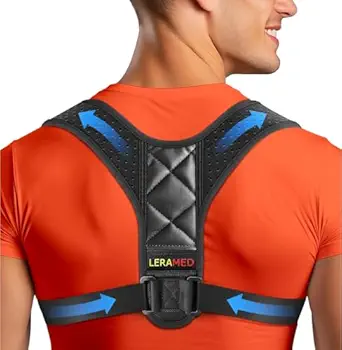
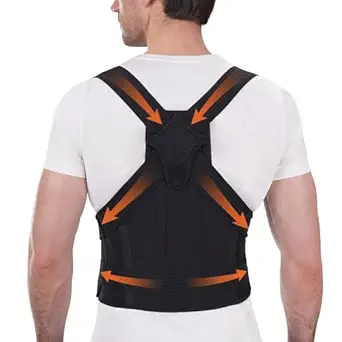
The sundpik Posture Corrector is a figure-eight style upper back brace designed to pull the shoulders back and encourage an upright clavicle and thoracic spine alignment. Unlike rigid lumbar belts, this style targets the shoulder and neck region, so fit and adjustability matter more than raw compression strength.
Key Considerations Before Buying
- Adjustability is the make-or-break feature: the sundpik uses adjustable straps to set tension, so confirm the strap range accommodates your chest circumference, since a too-loose brace won't cue posture and a too-tight one restricts breathing.
- Breathability matters for daily wear: a 'breathable' upper back brace is typically made from perforated or mesh-backed fabric, which reduces heat buildup during long desk or driving sessions compared with solid neoprene straps.
- Wear schedule: posture correctors of this type are usually intended for short, incremental sessions (often 15–30 minutes to start), not all-day wear, so factor in whether the design allows quick on/off adjustment under clothing.
What Our Analysts Recommend
Look for padded underarm and shoulder straps to prevent chafing, durable hook-and-loop closures that hold tension without slipping, and stitching that reinforces high-stress strap junctions. A well-made upper back brace should also let you independently tension each side, which helps correct asymmetric shoulder roll.
Back Braces Market Context
Market Overview
The back brace category is crowded with posture correctors ranging from soft elastic figure-eight straps to rigid thoracic braces, and most are sold direct-to-consumer with little clinical validation. Upper back and clavicle support devices sit in a gray zone between comfort wear and medical support, which makes marketing claims louder than the underlying evidence.
Common Issues
Common complaints in this category include straps that dig into the armpits, sizing that runs small relative to chest measurements, and fabric that loses elasticity after a few weeks. Another frequent issue is over-tightening, which can cause shoulder and rib discomfort rather than relief.
Quality Indicators
Quality posture correctors typically show reinforced stitching at strap anchors, soft edging along the underarm contact points, and clear sizing charts based on chest circumference rather than generic S/M/L. Return policies and responsive seller support are also strong signals in a category where fit failures are common.
Review Authenticity Insights
Grade B Interpretation
The Grade U designation means there are not yet enough reviews to assess authenticity, and the 0.00% estimated fake review percentage simply reflects zero reviews rather than verified authenticity. With a 0.00/5 rating and zero reviews, there is no review history to evaluate for this listing.
Trust Recommendation
Because there is no review data, treat the product description and sizing chart as unverified claims and rely on the seller's return policy before purchasing. Check whether the listing offers clear measurements and contact support, and consider waiting for early verified reviews if you need confidence before buying.
Tips for Reading Reviews
Once reviews appear, prioritize detailed reviews that mention chest size, wear duration, and specific fit issues over star ratings alone. Look for patterns across multiple reviewers about strap comfort and sizing accuracy, and be skeptical of reviews that only praise the product without describing actual use.
Expert Perspective
The sundpik Posture Corrector is a soft, adjustable upper back brace aimed at shoulder and clavicle retraction rather than lumbar support, despite the 'lumbar' mention in its title. With no reviews and no authenticity signal yet, it is an unproven option in a category where fit and durability are the main failure points. The breathable fabric and adjustable strap design are sensible features, but they are common in this price tier and do not by themselves distinguish the product.
Purchase Considerations
Weigh whether you need shoulder-retraction cueing (this brace's strength) versus lower-back support, and confirm your chest measurement against the seller's size chart. Since posture correctors are typically used in short sessions, prioritize comfort and easy adjustment over maximum tension, and verify the return window in case the fit is wrong.
Comparing Alternatives
Compare this brace with other figure-eight posture correctors that have established review histories and clearer sizing guidance before committing.