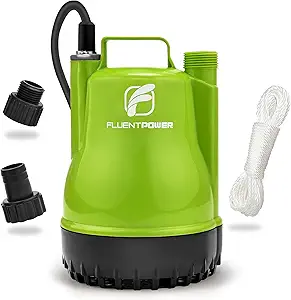
Maximize Basement Space: 500W Upflush Pump with 3 Inlets, 23FT Lift
When you're finishing a basement or adding a bathroom below grade, a utility sink pump is your best friend. This 500W model boasts a 1600 GPH flow rate and a 23-foot vertical lift, making it a solid contender for moving gray water from sinks, showers, and urinals to your main drain line. Its three water inlets and one outlet offer flexible hookup options for multi-fixture installations.
Key Considerations Before Buying
- The 23FT upflush capability is crucial for basements; measure your actual vertical distance to the main drain to ensure this pump can handle your setup, especially with horizontal runs that add friction loss.
- With three inlets, you can connect multiple fixtures, but plan your plumbing layout carefully to avoid overloading the pump's capacity—calculate the total fixture units to ensure the 1600 GPH rating meets your peak simultaneous usage.
- Check if the pump includes a macerating function; as one reviewer noted, this model is for gray water only and lacks a macerator for solid waste. If you need to handle toilet waste, this isn't the right unit.
- Verify the power requirements and whether the pump comes with a check valve and necessary fittings; some users found they needed to purchase additional parts for a complete installation.
What Our Analysts Recommend
Look for a pump with a robust motor (500W is adequate for residential use) and a durable housing, ideally with thermal overload protection. A clear PCB control panel with indicator lights is a plus for troubleshooting, and check the discharge size—typically 1 inch or 1.5 inches—to match your existing plumbing.
Utility Pumps Market Context
Market Overview
The utility pump market has expanded significantly with the rise of basement conversions and compact living spaces. Models like this one offer high-flow capabilities in a compact, under-sink design, catering to DIY homeowners and professionals alike. Many now feature PCB upgrades for better control and reliability, reflecting a trend toward smarter, more efficient pumps.
Common Issues
Common issues in this category include insufficient lift capacity for actual installation heights, noise during operation, and premature failure due to debris or lack of maintenance. Some pumps also suffer from inadequate sealing, leading to leaks, or have flimsy inlet ports that crack under stress. Reviewers often mention the need for regular cleaning to prevent clogs, especially when handling soapy or greasy water from kitchens.
Quality Indicators
Quality indicators include a stainless steel or reinforced thermoplastic housing, a reliable float switch (preferably with a backup), and a motor with a thermal cutoff. Look for certifications like UL or CSA, and check the warranty length—a longer warranty often signals the manufacturer's confidence. Also, a higher number of genuine, detailed reviews can indicate a proven track record.
Review Authenticity Insights
Grade B Interpretation
The Grade B authenticity rating, with an estimated 15% fake reviews, suggests that while the majority of the 21 reviews are genuine, a few might be incentivized or overly promotional. This is a moderate risk level; the core product experience is likely accurately reflected, but you should be cautious of extreme praise without specifics.
Trust Recommendation
Given the 4.5-star rating (adjusted to 4.2), the product is generally well-received, but the slight drop indicates that some negative points are being downplayed. Read the 3-star and lower reviews carefully to understand potential drawbacks, such as the lack of a macerator. Trust the detailed, balanced reviews over short, overly enthusiastic ones.
Tips for Reading Reviews
When reading reviews, focus on those that mention installation specifics, performance metrics (like actual lift achieved), and any issues with noise or vibration. Look for photos or videos that show the pump in situ, and note if the reviewer mentions using it for a similar application (e.g., a kitchen sink vs. a shower). Be wary of reviews that use generic language or don't mention any trade-offs.
Expert Perspective
This 500W utility sink pump offers a compelling balance of power and versatility for basement gray water applications. Its 23FT lift and 1600 GPH flow are above average for the category, and the three-inlet design provides flexibility. However, the absence of a macerating function limits its use to non-solid waste, which is a critical distinction. The PCB upgrade likely improves reliability, but the moderate fake review percentage warrants a cautious approach.
Purchase Considerations
Weigh the pump's capacity against your exact plumbing needs—if you only need to move water from a sink or shower, this is a strong option. But if you anticipate any solid waste, you'll need to look elsewhere. Also, factor in the cost of additional plumbing fittings and the importance of proper venting. Given the 15% fake review rate, consider buying from a retailer with a good return policy.
Comparing Alternatives
Shoppers should compare with other under-sink pumps, particularly those with macerator capabilities if needed. Brands like Saniflo or Liberty Pumps offer similar models with varying features, and checking their reviews can provide a broader perspective on what to expect in this price range.