
Indoor TV Antennas: What to Know Before Cutting the Cord
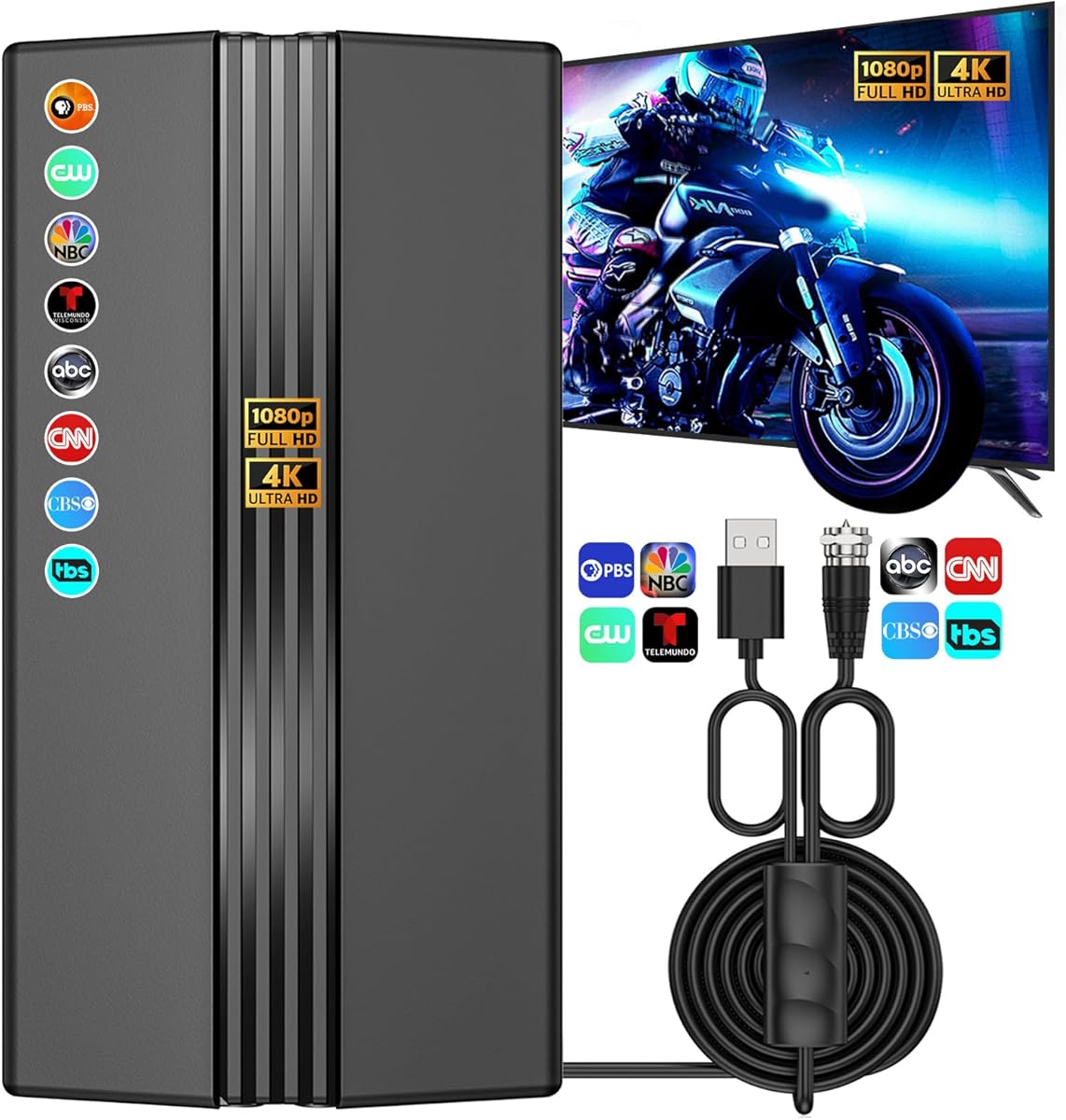
This 2026 indoor digital TV antenna promises access to local channels without a cable subscription, but performance depends heavily on your location and setup. Unlike outdoor antennas, indoor models like this one must overcome signal barriers such as walls and distance from broadcast towers, so understanding your specific situation is key.
Key Considerations Before Buying
- Signal strength and distance to towers: Indoor antennas work best within 35-50 miles of broadcast towers. Check the FCC's DTV Reception Maps to see which stations are available in your area and their signal strength.
- Placement flexibility: The antenna's design (flat, amplified, etc.) affects where you can place it. Flat models can be mounted on walls or windows, while amplified models need a power source. Consider whether the included cable length and mounting options suit your room layout.
- Amplification and interference: Built-in amplifiers can boost weak signals but may also amplify noise in strong-signal areas. Look for adjustable gain or an included amplifier that can be toggled off if you're close to towers.
What Our Analysts Recommend
Prioritize antennas with clear specifications: frequency range (VHF/UHF), gain (measured in dB), and impedance (75 ohms). A detachable signal meter or a built-in filter to reduce cellular interference can be valuable. Also, check for a generous return policy, as indoor antenna performance is highly location-dependent.
TV Antennas Market Context
Market Overview
The indoor TV antenna market has grown as more consumers seek free local channels, but product quality varies widely. Many low-cost antennas make exaggerated claims about range (e.g., 200+ miles), which are physically impossible for passive indoor devices. The shift to ATSC 3.0 (NextGen TV) is also beginning, though most current antennas are compatible with both ATSC 1.0 and 3.0.
Common Issues
Common complaints include poor reception in rural areas, flimsy construction, and misleading range claims. Amplified antennas can sometimes cause signal overload if placed too close to towers. Additionally, some users report that channels drop out in bad weather or when appliances are running, indicating insufficient shielding.
Quality Indicators
Look for antennas from brands with a track record and transparent specs. Reviews that mention specific channel reception and setup details are more credible than generic praise. A good quality antenna will have solid build materials, a well-designed element layout, and clear instructions for optimal placement.
Review Authenticity Insights
Grade B Interpretation
A Grade B authenticity rating with an estimated 12% fake reviews suggests that while most reviews are genuine, there is a moderate risk of inflated ratings. The adjusted rating of 4.10 (down from 4.33) indicates that after filtering suspicious reviews, the product still performs well, but the difference highlights the impact of potentially fake positive feedback.
Trust Recommendation
Trust the adjusted rating of 4.10 as a more reliable indicator of customer satisfaction. When reading reviews, focus on those that describe specific installation experiences and channel outcomes, as these are harder to fabricate. Be cautious of reviews that use overly promotional language or lack detail.
Tips for Reading Reviews
For TV antennas, pay attention to reviews that mention distance from towers, types of channels received (VHF vs. UHF), and any interference issues. Reviews with photos of the antenna in use or detailed setup descriptions are more trustworthy. Also, look for patterns in negative reviews—if multiple users report similar problems, that's a red flag.
Expert Perspective
This indoor TV antenna appears to be a solid option for urban and suburban users within 35 miles of broadcast towers, given its 4.10 adjusted rating from 37 reviews. The relatively low review count means there's less data to draw from, but the authenticity grade suggests most feedback is genuine. However, the 12% fake review estimate warrants some caution, and the product's performance will vary significantly based on your location.
Purchase Considerations
Before buying, verify your distance to local towers and whether VHF channels (which some indoor antennas struggle with) are important to you. Consider whether you need an amplified model and if the antenna's design fits your space. Also, check the return policy in case reception is poor in your area.
Comparing Alternatives
Compare this antenna with other indoor models that have higher review counts and similar or better adjusted ratings, especially those that clearly specify VHF/UHF performance and include helpful features like signal meters.


