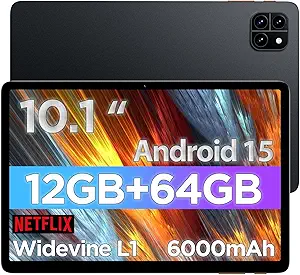
How to Choose a Budget Android Tablet with High RAM and Storage
The HUIHUANG 13.4-inch Android 16 tablet stands out with its claimed 36GB RAM and 256GB storage (expandable to 2TB), but such specs at a low price warrant scrutiny. Before buying, understand what these numbers mean in practice and whether they match your needs.
Key Considerations Before Buying
- RAM and storage claims: 36GB RAM is likely achieved via virtual memory extension, which can slow down performance; 256GB storage is decent, but ensure the microSD slot supports 2TB for future-proofing.
- Android version and updates: Android 16 is current, but budget tablets often receive limited OS updates; check if the manufacturer promises security patches and version upgrades.
- Display and build quality: A 13.4-inch screen is large for a tablet, but resolution and panel type (e.g., IPS vs. LCD) affect clarity and viewing angles; consider if the size suits your portability needs.
What Our Analysts Recommend
Look for verified customer reviews that mention real-world performance, battery life, and durability. Check the tablet's weight and thickness if you plan to carry it often. Also, confirm the processor model and GPU to gauge gaming and multitasking capabilities.
Tablets Market Context
Market Overview
The budget Android tablet market is flooded with off-brand models boasting high specs at low prices, often from lesser-known manufacturers. These tablets typically cut corners on display quality, build materials, and software support to achieve competitive pricing.
Common Issues
Common problems include exaggerated RAM/storage claims (using virtual memory), poor battery life, slow charging, and lack of timely software updates. Many also have subpar cameras and speakers, and customer support can be unreliable.
Quality Indicators
Quality tablets in this segment usually come from established brands like Samsung, Lenovo, or Amazon, which offer better software optimization and update commitments. Look for detailed reviews that test performance, and check the warranty and return policy.
Review Authenticity Insights
Grade B Interpretation
The authenticity grade of B indicates that while most reviews are genuine, about 15% may be fake or incentivized. This is relatively common for budget electronics, where sellers sometimes boost ratings with unverified reviews.
Trust Recommendation
Focus on reviews from verified purchasers that include specific details about usage over time. Be cautious of reviews that are overly positive and lack substance, and consider the adjusted rating of 4.50 as a more reliable indicator.
Tips for Reading Reviews
Read both positive and negative reviews to identify recurring issues. Pay attention to comments about performance after extended use, battery degradation, and customer service experiences. Look for reviews with photos or videos for real-world evidence.
Expert Perspective
The HUIHUANG tablet offers impressive on-paper specs for the price, but the adjusted rating of 4.50 and 15% fake review percentage suggest caution. It may be suitable for basic tasks like web browsing and media consumption, but likely struggles with demanding apps or gaming. The large screen is a plus for entertainment, but portability and build quality are concerns.
Purchase Considerations
Weigh the low cost against potential drawbacks: limited software updates, possible performance issues due to virtual RAM, and uncertain durability. If you need a reliable tablet for work or long-term use, consider spending more on a reputable brand.
Comparing Alternatives
Compare with similarly priced tablets from brands like Samsung or Lenovo, which may offer better software support and build quality, even if specs appear lower on paper.