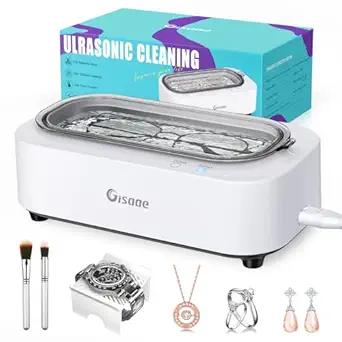
Ultrasonic Retainer Cleaners: 45kHz vs 30kHz – What Really Matters
When shopping for an ultrasonic retainer cleaner, the key specs are frequency, power, and tank capacity. This 45kHz, 24W model with a 200mL tank and 4 modes is designed for gentle yet effective cleaning of dental appliances, but you need to know how these specs translate to real-world performance.
Key Considerations Before Buying
- Frequency (kHz): Higher frequencies (45kHz) are gentler and better for delicate items like retainers and aligners, while lower frequencies (30kHz) are more aggressive but risk damage. This model's 45kHz is ideal for daily use without wearing down materials.
- Power (Watts): 24W is sufficient for a 200mL tank, but check if the power is ultrasonic power or total power (including heating). True ultrasonic power of 24W is decent for light to moderate cleaning; if it's total power, actual cleaning power may be lower.
- Modes and Timer: The 4 modes likely include variations like 'gentle', 'standard', 'deep', and 'quick'. Look for a model with preset timers (e.g., 3, 5, 10 minutes) that match your needs—longer cycles for heavy buildup, shorter for maintenance.
What Our Analysts Recommend
In this category, quality is indicated by a stainless steel tank (easy to clean, durable), a digital timer with auto shut-off, and a quiet operation (<50 dB). Also, check that the tank is large enough to submerge your retainer fully without overcrowding, and that the unit has a cover to prevent splashing.
Ultrasonic Cleaners Market Context
Market Overview
The market for ultrasonic cleaners has expanded beyond jewelry and lab use into personal dental care, driven by the rise of clear aligners and retainers. Consumers now expect compact, affordable, and safe devices that can clean without harsh chemicals, and this 200mL size is a sweet spot for single-appliance use.
Common Issues
Common problems include units that are underpowered (failing to remove plaque or calculus), tanks that are too small for larger retainers, and lack of a drying cycle (though not always needed). Also, some models have flimsy baskets or timers that reset unexpectedly.
Quality Indicators
Quality indicators include a robust build (weight and material), a well-sealed tank to prevent leaks, and consistent ultrasonic output. Check for certifications like CE or FCC, and read reviews for mentions of durability over months of use.
Review Authenticity Insights
Grade B Interpretation
The Grade B and 10% fake review rate mean that while the majority of the 333 reviews are genuine, about 33 are likely fabricated. This is not alarming, but it suggests you should focus on detailed, verified reviews rather than the overall star rating. The adjusted rating of 4.60/5 is still excellent, indicating real user satisfaction.
Trust Recommendation
Given the authenticity grade, you can trust the product's overall quality, but be cautious of any reviews with overly generic praise or lacking specifics. Look for reviews that mention specific use cases (e.g., cleaning a particular retainer type) and include photos or videos—these are more likely authentic.
Tips for Reading Reviews
For ultrasonic cleaners, pay attention to reviews that discuss cleaning effectiveness on different materials (e.g., plastic vs. metal) and any issues with noise or tank size. Also, note if users mention the 4 modes and whether they actually use all of them—this can indicate practical utility.
Expert Perspective
This ultrasonic retainer cleaner appears to be a solid choice for its price point, with a high genuine satisfaction rate. The 45kHz frequency is appropriate for dental appliances, and the 200mL tank is compact yet sufficient for most retainers. The 4 modes offer versatility, though some users may find they stick to one or two. The authenticity analysis supports a reliable product, but the 10% fake reviews warrant a careful read-through of the critical reviews to understand any recurring issues.
Purchase Considerations
Weigh the tank capacity against your retainer size—if you have a large Hawley retainer, ensure it fits. Also, consider whether you need a drying function (this model doesn't seem to have one) and if the 24W power is enough for your cleaning frequency. For most users, this will be a good value, but compare with models offering higher wattage if you have heavy buildup.
Comparing Alternatives
Shoppers should compare this with other 45kHz models from brands like iSonic or Magnasonic, which may offer larger tanks or additional features like UV sanitization. Also, check for any accessories included, such as a basket or stand, which can add convenience.