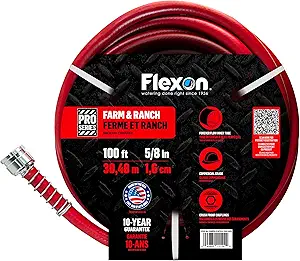
Choosing a 150-Foot Garden Hose: Durability, Flexibility, and Nozzle Versatility
When you're covering a 150-foot stretch, the hose's weight and flexibility become as critical as its length. This all-weather, lightweight model with a 10-function spray nozzle aims to address the two biggest complaints about long hoses: kinking and awkward handling. Understanding how these features translate to real-world use will help you decide if this hose fits your specific yard layout and watering needs.
Key Considerations Before Buying
- Length and Reach: A 150-foot hose is ideal for large properties, but it adds weight and bulk. Confirm that your spigot's water pressure can maintain adequate flow over this distance, as longer hoses naturally reduce pressure.
- Material and Flexibility: Look for hoses made from hybrid polymers or reinforced rubber that remain pliable in cold weather and resist kinking. This 'all-weather' claim should mean it doesn't stiffen in winter or become overly soft in summer heat.
- Connections and Leak-Proofing: Check if the connectors are solid brass or aluminum with rubber gaskets. A leak-free guarantee often depends on these fittings being crush-proof and securely attached to the hose body.
What Our Analysts Recommend
For a hose of this length, examine the burst pressure rating (typically 300-500 PSI for residential use) and the warranty. A 10-function nozzle should offer a comfortable grip and a variety of spray patterns, from a powerful jet for cleaning to a gentle mist for delicate plants. Also, consider the hose's inner diameter—a 5/8-inch diameter is standard, but a 3/4-inch can improve water flow over 150 feet.
Garden Hoses Market Context
Market Overview
The garden hose market has evolved significantly, moving beyond basic PVC to include lightweight, kink-resistant, and expandable options. With many brands claiming 'ultra durable' and 'all-weather' performance, consumers face a crowded field where marketing often outpaces actual quality, making independent verification crucial.
Common Issues
Frequent complaints in this category include hoses that kink and twist under pressure, connectors that leak or crack, and materials that degrade from UV exposure or freezing temperatures. Many users also report that 'lightweight' hoses are prone to punctures or that spray nozzles break after a few months of use.
Quality Indicators
High-quality hoses typically feature heavy-duty brass fittings, a thick outer jacket that resists abrasion, and a flexible core that doesn't collapse. Look for certifications like lead-free materials and a manufacturer's warranty that covers both the hose and nozzle. Authentic customer photos showing the hose in use over time are often more telling than the product description.
Review Authenticity Insights
Grade B Interpretation
The B grade and 10% estimated fake review rate suggest that while the majority of feedback is authentic, a small portion may be incentivized or overly promotional. This is common for new or improved products, and it means you should focus on the detailed, verified-purchase reviews rather than the overall rating alone.
Trust Recommendation
Given the 4.89 overall rating but a slightly lower adjusted rating of 4.60, you can trust the positive sentiment but should read a few of the critical or mixed reviews. These often highlight limitations such as the hose's actual weight or how the nozzle performs at lower water pressures, which are crucial for a 150-foot length.
Tips for Reading Reviews
When reading reviews, look for users who mention specific tasks like watering a large garden or washing a car. These practical contexts help you gauge whether the hose's flexibility and nozzle functions meet your needs. Also, note any comments about the hose's behavior in different temperatures, as this is a key selling point for an 'all-weather' product.
Expert Perspective
This 150-foot hose appears to be a solid contender for buyers needing extended reach without the typical weight penalty. The 10-function nozzle adds versatility, and the leak-free connections address a common pain point. However, the 10% estimated fake review rate and the adjusted rating of 4.60 suggest that not all positive feedback is entirely reliable, so a cautious approach is warranted.
Purchase Considerations
Weigh the benefits of a 150-foot length against your actual watering distances—if you rarely need that much, a shorter hose might offer better pressure and easier handling. Also, consider the long-term durability of the lightweight material, as some users may find it less robust than traditional rubber hoses.
Comparing Alternatives
Before committing, compare this model with other top-rated hoses in the 100-150 foot range, paying attention to customer photos and long-term use reviews. Look for hoses that explicitly state their burst pressure and warranty, as these are strong indicators of a manufacturer's confidence.