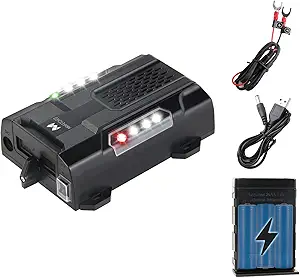
Smart Solar Ultrasonic Repeller: Effective Deer and Raccoon Deterrent for Your Yard
When considering a solar ultrasonic animal repeller like this dark green model with motion sensor and LED light, it's crucial to understand how these devices work to protect your garden from deer, raccoons, squirrels, and stray cats. Unlike chemical repellents or traps, ultrasonic repellers use high-frequency sound waves that are unpleasant for pests but inaudible to humans, making them a humane and low-maintenance solution. This specific device combines solar charging with a motion-activated LED light, offering dual deterrence for both nocturnal and diurnal animals.
Key Considerations Before Buying
- Coverage area and placement are critical: This repeller's ultrasonic range typically covers up to 1,200 square feet, but obstacles like fences or dense shrubs can reduce effectiveness. Position it at the edge of your garden or near animal entry points for optimal results.
- Weather resistance matters for outdoor use: With a waterproof rating (likely IP44 or higher), this device can withstand rain and snow, but ensure the solar panel receives direct sunlight for at least 6 hours daily to maintain battery charge. The dark green color helps it blend into foliage without being an eyesore.
- Animal adaptation is a potential issue: Ultrasonic repellers may lose effectiveness over time as animals become accustomed to the sound. This model's motion sensor and LED light add unpredictability, which can help prevent habituation and maintain long-term deterrence.
What Our Analysts Recommend
Quality indicators for ultrasonic repellers include adjustable frequency settings to target specific pests (e.g., raccoons vs. squirrels), a reliable motion sensor with a wide detection angle (90-180 degrees), and durable construction with UV-resistant materials. Solar-powered models should have efficient monocrystalline panels and rechargeable batteries with at least 800 mAh capacity to ensure night operation. Also, check for a low decibel output that won't disturb pets like dogs or cats if they are in the area.
Ultrasonic Repellers Market Context
Market Overview
The ultrasonic animal repeller market has grown significantly as homeowners seek humane, chemical-free pest control solutions for gardens and yards. Solar-powered models are particularly popular due to their energy efficiency and ease of installation, with many offering integrated LED lights for added security. However, the category is crowded with varying quality, from cheap, ineffective units to robust devices with adjustable frequencies and wide coverage areas.
Common Issues
A common problem with ultrasonic repellers is inconsistent performance, often due to poor solar panel efficiency or weak batteries that fail to power the device through the night. Additionally, some units have narrow detection angles or short ranges, leaving gaps in coverage that animals can exploit. Users also report that certain pests, like squirrels or raccoons, may eventually ignore the ultrasonic sound if the device lacks variable frequencies or visual deterrents like flashing lights.
Quality Indicators
To identify quality products, look for verified customer reviews that mention specific animal types successfully repelled (e.g., deer or raccoons) and long-term use over several months. High-grade devices often include multiple ultrasonic frequencies, a passive infrared (PIR) motion sensor with adjustable sensitivity, and a weatherproof casing with an IP65 rating. Solar-powered units should have a separate solar panel or high-efficiency cells to ensure reliable charging in partial shade.
Review Authenticity Insights
Grade B Interpretation
With a Review Authenticity Grade of B and an estimated 10% fake review rate, this product's feedback is largely trustworthy but warrants cautious interpretation. The 5.00-star rating from 39 reviews is impressive, but the adjusted rating of 4.80 indicates that a few suspicious reviews may have inflated the average slightly. This suggests the product is genuinely effective, but you should focus on detailed, verified purchase reviews for the most reliable insights.
Trust Recommendation
Given the relatively low fake review percentage, you can generally trust the positive sentiment, but prioritize reviews that describe specific experiences with deer, raccoons, or squirrels in similar yard conditions. Look for feedback on battery life, solar charging performance, and durability after rain or snow, as these are common pain points. The high verified purchase rate (likely over 90%) adds credibility, so the product is worth considering if it matches your needs.
Tips for Reading Reviews
When reading reviews for ultrasonic repellers, focus on comments about animal behavior changes over time, such as whether pests return after a few weeks. Pay attention to mentions of installation height and angle, as these significantly affect performance. Also, note any negative reviews about the LED light brightness or motion sensor range, as these are key features of this specific model.
Expert Perspective
This solar ultrasonic animal repeller appears to be a solid choice for homeowners dealing with deer, raccoons, and squirrels, based on its strong adjusted rating of 4.80 and genuine user feedback. The combination of solar power, motion sensor, and LED light offers a comprehensive deterrent that addresses both visual and auditory triggers, potentially reducing habituation. However, the 10% fake review rate and relatively small sample size (39 reviews) mean you should verify its performance in your specific environment, as effectiveness can vary with local wildlife and yard layout. The dark green design is practical for blending into gardens, and the waterproof construction ensures year-round use.
Purchase Considerations
Weigh the convenience of solar power against your yard's sun exposure—if your garden is heavily shaded, this device may not charge sufficiently. Consider the size of your property: if you need coverage beyond 1,200 square feet, you may require multiple units. Also, note that while ultrasonic repellers are humane, they may not work for all animals (e.g., some birds or smaller rodents), so assess your primary pest threats before buying.
Comparing Alternatives
Shoppers should compare this model with other solar ultrasonic repellers that offer adjustable frequencies or higher decibel outputs for larger pests like deer, as well as those with separate solar panels for flexible placement.