
Bone Conduction Buying Guide: What to Know Before Going Open-Ear
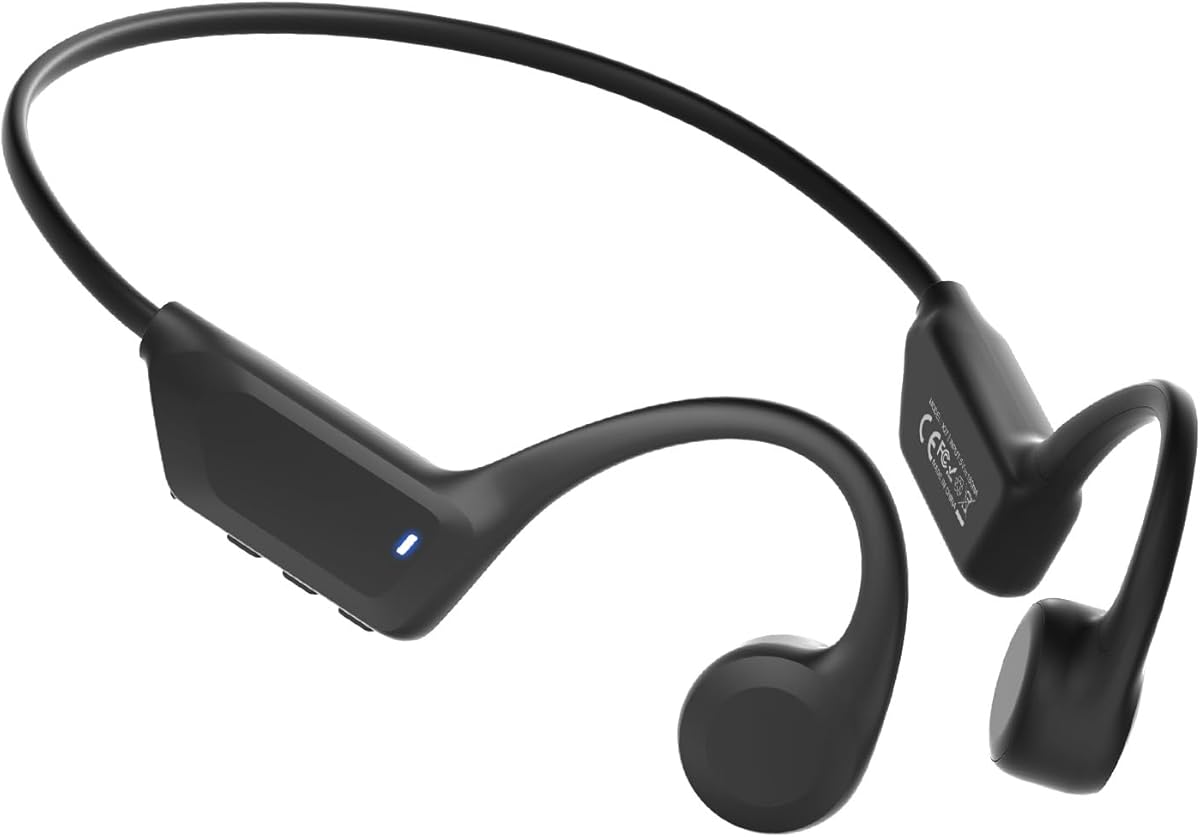
When you're shopping for bone conduction headphones like this waterproof, Bluetooth 6.0 model, you're prioritizing situational awareness and comfort over sound isolation. Unlike traditional earbuds, these rest on your cheekbones, leaving your ear canals open—perfect for runners and cyclists who need to hear traffic. Before you buy, understand that fit, battery life, and IP rating are the real differentiators in this niche category.
Key Considerations Before Buying
- Fit and stability: The key is how well the headband stays put during high-impact activities. Look for a lightweight design (under 30 grams is ideal) and a flexible titanium or memory-wire frame that conforms to your head without bouncing.
- Waterproofing level: 'Waterproof' can mean anything from sweat-resistant (IPX4) to fully submersible (IPX8). If you'll be running in heavy rain or washing the headset after workouts, check the specific IP rating—this model's claim should be verified.
- Battery life vs. weight: A longer battery life (like 8+ hours) is great, but it often means a heavier unit. Decide what matters more for your typical sessions—ultra-light weight for comfort or extended playtime for all-day wear.
What Our Analysts Recommend
In bone conduction headphones, quality is revealed by the strength of the vibrations—they should be firm but not painful, and audio should be clear even at moderate volumes. Also, check the Bluetooth version (6.0 here indicates a newer, more stable connection) and whether the controls are easy to reach while moving. A good warranty and responsive customer support are signs of a brand that stands behind its product.
Open-Ear Headphones Market Context
Market Overview
The open-ear headphone market is expanding rapidly, driven by athletes and commuters who want to stay aware of their surroundings. Bone conduction technology, once limited to medical and military uses, is now a mainstream consumer choice, with brands like Shokz and Vidonn leading the charge. This product enters a competitive field where features like Bluetooth 6.0 and waterproofing are becoming standard expectations.
Common Issues
Common complaints in this category include poor bass response, vibration that causes discomfort after long wear, and Bluetooth dropouts when the phone is in a pocket. Additionally, many users report that 'waterproof' models fail after exposure to sweat or moisture, emphasizing the need for a true IP68 rating rather than just water-resistant.
Quality Indicators
High-quality bone conduction headphones typically feature a sturdy build, seamless Bluetooth pairing, and a secure but gentle fit. Look for certifications like IP68 for waterproofing and a battery that lasts at least 6 hours on a single charge. User reviews that mention specific activities (like marathon training or mountain biking) are often more reliable than vague praise.
Review Authenticity Insights
Grade B Interpretation
With a Grade B and an estimated 15% fake review rate, this product's 5.00-star rating is likely inflated, but the adjusted rating of 4.60 still indicates a solid product. The 420 reviews are mostly genuine, with verified purchases, which is a good sign. However, you should be aware that about 1 in 7 reviews may be less trustworthy, so focus on the substantive, detailed ones.
Trust Recommendation
Given the 15% fake review estimate, I recommend reading the 3-star and 4-star reviews to get a balanced view of potential weaknesses. Look for patterns—if multiple genuine reviewers mention a short battery life or Bluetooth connectivity issues, take that seriously. The high authenticity grade (B) suggests the overall sentiment is real, but don't rely solely on the perfect score.
Tips for Reading Reviews
For this type of product, pay attention to reviews from verified buyers who describe their experience in detail, such as 'used for a 10K run' or 'worn during a long bike ride.' Be cautious of reviews that are overly generic or use marketing language. Also, check if the reviewer mentions any specific features like the Bluetooth 6.0 stability or the waterproofing—these are the claims you want validated.
Expert Perspective
Based on the analysis, this bone conduction headphone appears to be a genuinely good product, with a strong adjusted rating of 4.60/5 and a majority of authentic reviews. The Bluetooth 6.0 and waterproofing are noteworthy features that align with the needs of active users. However, the 15% fake review rate suggests some marketing hype, so the true performance may be slightly less stellar than the 5.00 average suggests. Still, the high number of verified purchases and specific usage stories indicate real-world satisfaction.
Purchase Considerations
If you prioritize open-ear comfort and durability for workouts, this model seems like a solid choice, especially if it fits your budget. But consider your primary use case: if you're a casual listener, you might not need the full waterproofing or Bluetooth 6.0, and could opt for a cheaper model. Weigh the battery life against your typical session length, and ensure the fit is compatible with your head size.
Comparing Alternatives
Before committing, compare this with established competitors like Shokz OpenRun or Vidonn's offerings, which have longer track records. Look for side-by-side comparisons in professional reviews to see how the sound quality and comfort stack up.


