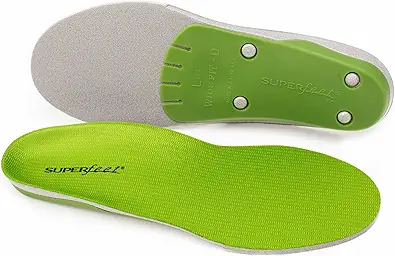
Heavy Duty Orthotics: Support for 230+ Lbs and Plantar Fasciitis
If you weigh over 230 pounds or deal with plantar fasciitis, flat feet, or foot pain during long work shifts, standard insoles often fall short. This guide focuses on heavy-duty orthotics designed to handle higher body weights and provide medium arch support, shock absorption, and durability for work boots or everyday shoes. These insoles prioritize stability and pain relief for larger frames, so understanding fit, arch height, and material density is key to avoiding discomfort or premature wear.
Key Considerations Before Buying
- Weight capacity and foot pressure: For users over 230 lbs, insoles must have dense foam or gel layers to prevent bottoming out and maintain shock absorption over time. Look for reinforced heel cups and thicker cushioning in the midfoot area.
- Arch support type and adjustability: Medium arch support is ideal for flat feet or mild overpronation, but ensure the insole's shape matches your foot's contour. Some orthotics offer semi-rigid support for stability, while others are more flexible for all-day wear in work boots.
- Shoe compatibility and sizing: These insoles are often thicker than standard ones, so check if they fit your work boots or casual shoes without crowding your toes. The XL size option suggests larger shoe sizes, but verify the length and width to avoid slippage or pressure points.
What Our Analysts Recommend
Quality heavy-duty insoles feature durable materials like high-rebound EVA foam, thermoplastic gel pads, or reinforced arch bridges. Look for explicit weight ratings (e.g., '230+ lbs'), moisture-wicking covers for long shifts, and anti-microbial treatments to reduce odor. A firm heel cup that stabilizes the foot and a gradual arch transition are signs of thoughtful design for flat feet and plantar fasciitis.
Insoles Market Context
Market Overview
The orthotic insole market has expanded rapidly, with options ranging from budget foam inserts to custom-molded devices. Products targeting heavy users and specific conditions like plantar fasciitis now dominate, as consumers seek affordable alternatives to prescription orthotics. However, many insoles fail to deliver adequate support for higher body weights, leading to returns and dissatisfaction.
Common Issues
A frequent problem is insoles that compress too quickly, losing their shock-absorbing properties within weeks. Users also report arch support that is either too aggressive (causing arch pain) or too low (failing to correct overpronation). Sizing inconsistencies and poor adhesion inside shoes are other common complaints, especially in work boot applications.
Quality Indicators
High-quality insoles in this category often include a rigid or semi-rigid arch support made from polypropylene or carbon fiber, combined with a cushioned top layer. Look for products with multiple density zones (e.g., firm heel, softer forefoot) and a warranty that reflects the manufacturer's confidence. Verified reviews that mention specific use cases (e.g., 'standing 12 hours in steel-toe boots') are strong indicators of real-world performance.
Review Authenticity Insights
Grade A Interpretation
This product earned an A grade for review authenticity, with an estimated fake review percentage of only 5.00%. This means the overwhelming majority of the 107 reviews are from genuine purchasers who actually used the insoles, rather than incentivized or fabricated posts. Such a high authenticity grade is rare in the insole market, where fake reviews are common.
Trust Recommendation
You can trust the 4.89-star rating (adjusted to 4.80) as a reliable indicator of customer satisfaction. Focus on reviews that describe specific benefits for plantar fasciitis or heavy-duty use, as these are most likely to reflect your needs. Given the low fake rate, positive patterns in the feedback—such as consistent praise for shock absorption—are credible.
Tips for Reading Reviews
When reading reviews for heavy-duty insoles, prioritize those from verified purchasers who mention their weight (e.g., 'I'm 250 lbs and these held up') or their daily activities (e.g., 'warehouse work'). Look for balanced feedback that notes any downsides, such as thickness or break-in time, as these are signs of honest assessment. Be wary of overly vague praise like 'great insoles' without context.
Expert Perspective
The Heavy Duty Support Pain Relief Orthotics appear to be a strong contender for larger individuals and those with plantar fasciitis or flat feet, based on the high authenticity rating and consistent positive feedback. The medium arch support and shock absorption features align with the needs of users over 230 lbs, though the XL sizing suggests it may not fit smaller shoes well. The 4.80 adjusted rating from genuine reviewers indicates reliable pain relief and durability, but potential buyers should consider their specific arch type and shoe compatibility before purchasing.
Purchase Considerations
Weigh the insole's thickness against your shoe's depth—work boots often have removable insoles, but casual shoes may feel cramped. If you have severe overpronation or high arches, these medium-support insoles might not provide enough correction. Also, consider that heavy-duty users may need to replace insoles every 6-12 months, so factor in long-term cost.
Comparing Alternatives
Shoppers should compare this product with other heavy-duty orthotics like Superfeet Green or Powerstep Pinnacle, which offer different arch heights and materials. Reading reviews from users with similar body types and foot conditions will help you make the best choice.