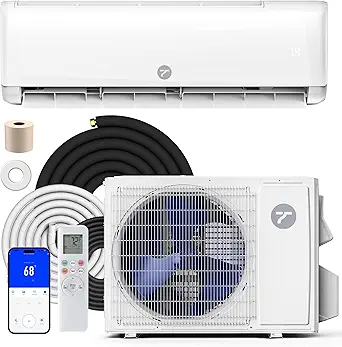
DIY Mini Split Mastery: 12,000 BTU, 18 SEER2, Vacuum-Free Ease
If you're eyeing the Albott Easy DIY 12,000 BTU mini split, you're likely seeking efficient zone cooling and heating without the complexity of a full HVAC install. This unit's 18 SEER2 rating promises energy savings, while the pre-wired indoor unit and vacuum-free outdoor unit aim to make DIY installation genuinely feasible. Before you commit, understand the trade-offs between DIY convenience, inverter performance, and long-term reliability.
Key Considerations Before Buying
- Installation Reality: The 'vacuum-free' outdoor unit uses a pre-charged line set with quick-connect fittings—this drastically reduces the need for specialized tools, but you must still securely mount the outdoor unit and run the line set through a wall. Check your local electrical code for 115V outlet requirements and whether a dedicated circuit is needed.
- BTU Sizing: 12,000 BTU is ideal for a single room or open studio up to about 500-550 sq ft. Overestimating your space will lead to short cycling and poor dehumidification, while underestimating will strain the unit. Use a load calculation, not just square footage, to confirm sizing.
- Inverter Technology: The inverter compressor adjusts output to maintain temperature, which improves efficiency and comfort. With an 18 SEER2 rating, you'll see lower operating costs compared to a non-inverter unit, but actual savings depend on your climate and usage patterns.
What Our Analysts Recommend
When evaluating a DIY mini split, prioritize the quality of the quick-connect fittings—repeated connect/disconnect cycles can affect seal integrity. Also, review the WiFi app's user ratings, as smart controls can be a pain point. Finally, verify the warranty terms: a good compressor warranty (often 5-10 years) and a responsive support team are critical for DIY owners who are their own installers.
Split-System Market Context
Market Overview
The mini split market is booming, driven by the demand for ductless, energy-efficient heating and cooling, especially in older homes and additions. The rise of DIY-friendly units like Albott has lowered the barrier to entry, but it also means a wider range of quality and reliability. Consumers now expect inverter technology, WiFi control, and SEER2 ratings that meet 2023 efficiency standards.
Common Issues
Common complaints across mini splits include improper installation leading to refrigerant leaks, noisy operation due to poor compressor isolation, and WiFi connectivity issues. Since DIY units bypass professional installation, the risk of improper line set routing or electrical mistakes increases. Also, some users report that the pre-charged line set is not long enough, requiring a professional to extend it, which defeats the DIY purpose.
Quality Indicators
Look for units with robust build quality (metal casing, not just plastic), a reputable brand with a track record, and clear, detailed installation manuals. Check for certifications like AHRI or ETL, and review the compressor's warranty—a longer warranty often signals confidence. User reviews that mention specific technical details (refrigerant type, dB levels, SEER2 performance) are more trustworthy than vague praise.
Review Authenticity Insights
Grade B Interpretation
The Grade B rating, with an estimated 12% fake reviews, suggests that the review pool is mostly authentic but has a notable minority of potentially incentivized or manipulated reviews. This is common for popular products, but it means you should weigh the 4.44 average with caution—the adjusted 4.20 rating is likely closer to the true customer satisfaction.
Trust Recommendation
You can trust the overwhelming majority of reviews, but pay extra attention to the 1-star and 2-star reviews, as they often highlight recurring issues like installation difficulties or defective units. Look for patterns in negative feedback—if multiple reviewers mention the same problem (e.g., WiFi app fails), it's likely a real concern. Also, check the 'Most Recent' reviews to see if issues have been resolved in newer units.
Tips for Reading Reviews
When reading reviews for this type of product, filter by 'Verified Purchase' and look for reviews that include photos or detailed descriptions of the installation process. Be wary of overly enthusiastic reviews with generic language—they might be fake. Instead, focus on reviews that discuss specific measurements, noise levels, and energy usage, as these are harder to fabricate.
Expert Perspective
The Albott Easy DIY 12,000 BTU mini split is a compelling option for homeowners who want efficient heating and cooling without the high cost of professional installation. Its 18 SEER2 rating and inverter tech are strong selling points, and the vacuum-free design genuinely simplifies the installation process. However, the 12% fake review rate and the B grade indicate that you should not blindly trust all positive feedback—do your own due diligence.
Purchase Considerations
Weigh the convenience of DIY against the potential for installation errors that could void the warranty or cause performance issues. If you're not handy with electrical work or mounting heavy equipment, consider budgeting for a professional install despite the 'DIY' label. Also, compare the total cost with a professionally installed system—if the price gap is small, the professional route might offer more peace of mind.
Comparing Alternatives
While the Albott is a strong contender, you should compare it with other DIY mini splits like the MRCOOL DIY series or Pioneer, which have established track records. Look at warranty terms, customer support responsiveness, and the availability of replacement parts. A unit with a longer warranty and better support might be worth a slightly higher upfront cost.