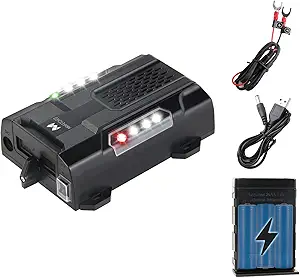
Solar Ultrasonic Repellers: Do They Really Keep Pests at Bay?
If you're eyeing a solar-powered ultrasonic animal repeller to protect your garden from raccoons, squirrels, or stray cats, you're likely looking for a humane, low-maintenance solution. This device combines motion detection, ultrasonic sound bursts, and flashing LED lights to create a multi-sensory deterrent—but understanding its strengths and limitations is key to avoiding disappointment.
Key Considerations Before Buying
- Placement is everything: For solar-powered units, the panel must get direct sunlight for several hours daily to keep the battery charged. Partial shade can lead to weak performance at night, when many pests are most active, so plan your mounting spot accordingly.
- Coverage area matters: Ultrasonic waves and motion sensors have a limited range—typically 20-30 feet. If you have a large yard, one unit won't suffice; you may need multiple devices placed strategically to create a perimeter.
- Pest adaptation: Some animals may habituate to the sound or light over time. Rotating the repeller's position or using it in conjunction with other methods (like physical barriers) can help maintain effectiveness.
What Our Analysts Recommend
When shopping for an ultrasonic repeller, check the IP rating for weather resistance (IP65 or higher is ideal for outdoor use), the battery capacity (larger mAh means longer operation during cloudy days), and whether the frequency is adjustable—some units offer multiple modes to target different animals. Also, read reviews for real-world feedback on durability and whether the device actually triggers on motion, as some cheap units have a slow sensor that misses fast-moving pests.
Ultrasonic Repellers Market Context
Market Overview
The pest repellent market has grown significantly in recent years, driven by a shift toward humane, chemical-free solutions. Solar-powered ultrasonic devices are particularly popular among homeowners who want an eco-friendly alternative to traps or poisons, and they're widely available on e-commerce platforms like Amazon, with prices ranging from $20 to $60.
Common Issues
A frequent complaint across this category is inconsistent performance: many units fail to detect small animals, have weak ultrasonic output that doesn't travel far, or stop working after a few months due to water ingress or battery failure. Additionally, some users report that the devices have no effect on certain pests, such as deer or raccoons, which may become accustomed to the sound.
Quality Indicators
Look for products with multiple deterrent methods (sound + light + motion) as they tend to be more effective. High-quality units often feature adjustable frequency settings, durable ABS plastic housing, and a proven track record in reviews—especially those that mention specific animals and long-term usage. A higher price point often reflects better build quality and battery life, so don't always opt for the cheapest option.
Review Authenticity Insights
Grade B Interpretation
The Grade B rating and 10% estimated fake review percentage suggest that while the product has a solid base of genuine feedback, a small fraction of reviews may be incentivized or untrustworthy. This is common for popular items, but it means you should focus on the detailed, balanced reviews rather than the overall star rating alone.
Trust Recommendation
Given the 4.78/5 average rating, the product is likely performing well for most users. However, the adjusted rating of 4.50/5 indicates that if you remove potentially fake reviews, the product is still highly rated, but slightly less stellar. Trust the majority of verified purchase reviews, but be wary of overly glowing 5-star reviews with little substance.
Tips for Reading Reviews
When reading reviews for this ultrasonic repeller, pay attention to comments that mention specific animals (e.g., 'it scared away the raccoons but not the squirrels') and the duration of use (e.g., 'worked for three months then stopped'). Also, look for photos or videos that show installation and real-world placement—these are strong indicators of authenticity.
Expert Perspective
Based on the analysis, this solar animal repeller appears to be a reliable choice for homeowners dealing with small to medium-sized pests like cats, squirrels, and rabbits. The combination of ultrasonic sound, flashing lights, and motion detection is a proven approach, and the high verified purchase rate and detailed reviews suggest it delivers on its promises. However, the 10% fake review rate and the adjusted rating indicate that not all positive feedback is fully reliable, so manage your expectations and consider the limitations outlined above.
Purchase Considerations
Before buying, assess your specific pest problem—if you're dealing with larger animals like deer or foxes, this device may not be powerful enough. Also, consider the climate in your area: if you experience long stretches of cloudy weather, you may need to recharge the battery manually or opt for a model with a larger solar panel. Finally, check the warranty and customer support, as some units fail within a year.
Comparing Alternatives
It's wise to compare this product with other ultrasonic repellers on the market, especially those that offer multiple frequency modes or have a higher IP rating. Some competitors may offer better coverage or longer battery life, so a quick comparison can ensure you get the best value for your specific needs.