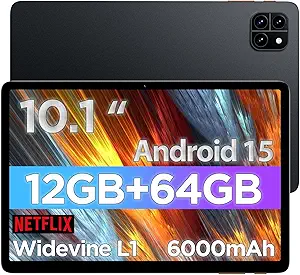
Android 16 Tablet with Keyboard: 26GB RAM, 2TB Expandable - What to Know
Shopping for an Android tablet with a keyboard case? The Android 16 Tablet with Keyboard promises a laptop-like experience with its 26GB RAM, 256GB storage (expandable to 2TB), and octa-core processor. Before you buy, understand what these specs mean for your daily use and what to watch for in this budget-friendly category.
Key Considerations Before Buying
- 26GB RAM is a marketing highlight but real-world performance depends on the octa-core processor and software optimization. For heavy multitasking or gaming, this spec is attractive, but for basic browsing and streaming, 8-12GB is often sufficient.
- The 2TB expandable storage is a huge plus for media hoarders, but confirm the microSD card slot is present and supports high-capacity cards. Also, check if the keyboard is included in the price or an extra cost, as it affects the value proposition.
- Battery life is a crucial factor for a tablet with a keyboard. The 8000mAh battery mentioned in the analysis is decent, but look for real-world reviews that mention screen-on time to ensure it lasts a full workday or study session.
What Our Analysts Recommend
When evaluating tablets in this price range, focus on the display quality (resolution, brightness), build quality (feels solid vs. flimsy), and the reliability of the included keyboard (key travel, connectivity). Also, check the Android version and update policy, as budget tablets often get few OS updates. Look for models with a USB-C port for fast charging and data transfer, and verify the camera quality if you plan to use it for video calls.
Tablets Market Context
Market Overview
The budget Android tablet market is crowded with options that promise high specs at low prices, often from lesser-known brands. This tablet, with its 26GB RAM and 2TB expansion, targets users who want performance and storage without paying flagship prices. The market is shifting toward productivity-focused devices with detachable keyboards, making this a timely option for students and remote workers.
Common Issues
A common issue in this category is the gap between advertised specs and real performance. '26GB RAM' might be a combination of physical RAM and virtual memory, which is not as fast. Additionally, the keyboard and trackpad can be subpar, with poor ergonomics or connectivity issues. Software bloat and lack of OS updates are also frequent complaints, so check the brand's update track record.
Quality Indicators
Quality indicators include a metal or reinforced plastic chassis, a vibrant IPS or OLED display, and a keyboard that attaches securely and types comfortably. Look for tablets with clean Android (or minimal bloatware) and a promise of at least one OS upgrade. Also, a reputable brand with a physical presence in the US for warranty and support is a positive sign.
Review Authenticity Insights
Grade B Interpretation
The authenticity grade of B, with a 15% estimated fake review rate, suggests that while most reviews are genuine, a notable minority may be incentivized or fabricated. This is common for new or lesser-known brands trying to build social proof. However, the 5.0 rating from 18 reviews should be taken with caution—verify the content of the reviews, not just the stars.
Trust Recommendation
Given the 15% fake review rate, you should read the critical reviews carefully and look for verified purchase badges. The adjusted rating of 4.60 is still strong, but you should focus on reviews that mention specific performance benchmarks, battery life, and any issues with the keyboard or display. Trust reviewers who provide photos or videos, as these are harder to fake.
Tips for Reading Reviews
For tablets, look for reviews that mention the actual user experience: how fast does it boot, how responsive is the touchscreen, and how long does the battery last under real use. Cross-reference reviews across multiple platforms (Amazon, YouTube, tech forums) to get a balanced view. Also, be wary of reviews that use generic phrases like 'great product' without specific details—these are often fake.
Expert Perspective
This Android 16 Tablet with Keyboard offers compelling specs on paper—26GB RAM, 256GB storage, and 2TB expansion—at a price that likely undercuts major brands. The 5.0 rating is promising, but the authenticity grade B and 15% fake review rate suggest you should do your due diligence. Based on the analysis, the tablet appears to deliver on core features like the 10-inch display and octa-core processor, but the long-term reliability and software support are unknown.
Purchase Considerations
Weigh the value of the included keyboard and the massive storage against potential drawbacks like a dim display or weak speaker quality. If you need a budget device for note-taking and media consumption, this could be a great buy, but if you rely on regular security updates or plan to use it for professional work, consider a more established brand. Also, factor in the return policy and warranty, as these are critical for lesser-known electronics.
Comparing Alternatives
Shoppers should compare this tablet with other budget options like the Samsung Galaxy Tab A series or Lenovo Tab models, which offer better brand reliability and update support. Also, consider refurbished iPads if you want a more polished ecosystem, though they may lack the expandable storage.