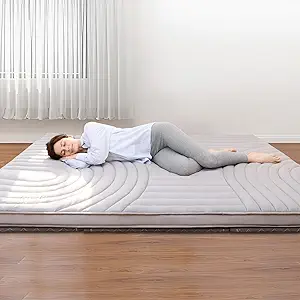
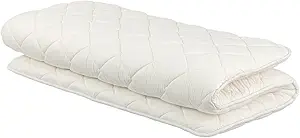
9-Layer King Futon: Is High-Density Foam Worth Your Back?
When considering a floor futon mattress, especially one marketed as '6th Generation' with a 9-layer construction, you're looking at a product designed to bridge the gap between traditional Japanese minimalism and modern comfort. This specific futon, sized at 78x80 inches for a King bed, is not just a thin shikibuton; it's a substantial sleeping pad with 100% high-density foam at its core. Before you commit to sleeping closer to the ground, you need to understand what these layers mean for support, durability, and your specific sleeping habits.
Key Considerations Before Buying
- Thickness and layer count: A 9-layer futon is significantly thicker than a traditional 3-4 layer shikibuton, offering more cushioning but also more weight. Verify the actual thickness in inches, as 'extra-thick' claims can vary widely.
- Foam density: The term 'high-density foam' is crucial for longevity and support. Higher density foams (typically 1.8 lbs/ft³ or higher) resist sagging and provide better pressure relief, especially for side sleepers.
- Portability: Despite its size and layers, this futon is marketed as portable. Consider how often you'll need to fold, roll, or move it, as a 9-layer King-size mattress can be heavy and unwieldy to relocate.
- Floor compatibility: Since it's designed for floor use, ensure your floor type (hardwood, carpet, tatami) won't cause excessive moisture buildup or wear. A breathable cover and periodic airing are essential to prevent mold.
What Our Analysts Recommend
When evaluating a floor futon, prioritize the quality of the foam and the outer cover. Look for certifications like CertiPUR-US for foam safety, and check if the cover is removable and washable. Also, read user feedback on whether the mattress holds its shape over time—a common failure point is permanent compression in the hip and shoulder areas.
Futon Mattresses Market Context
Market Overview
The floor mattress market has seen a surge in popularity, driven by the appeal of minimalist living, space-saving solutions, and the perceived health benefits of firmer sleeping surfaces. This '6th Generation' futon represents a modern evolution, blending traditional Japanese design with advanced foam technology to cater to Western consumers who want the floor-sleeping experience without sacrificing comfort.
Common Issues
Common complaints across floor futon categories include insufficient thickness leading to pressure points, low-density foam that loses support within months, and covers that are difficult to clean. Additionally, some users find the transition from a raised bed to the floor challenging, and may experience back pain if the mattress is too soft or too firm for their body type.
Quality Indicators
High-quality floor futons typically feature multiple layers with distinct purposes—a firm base layer for support, a comfort layer for pressure relief, and a soft top layer for breathability. The stitching should be tight and durable, and the materials should be hypoallergenic. A reputable brand will provide transparent specifications on foam density and cover materials, and offer a warranty that reflects confidence in the product's longevity.
Review Authenticity Insights
Grade B Interpretation
With a review authenticity grade of B and an estimated 10% fake reviews, the overall rating of 4.89 is likely slightly inflated. This means that while the product is generally well-received, a small but significant portion of the positive reviews may not be from verified purchases, which could skew the true satisfaction level. The adjusted rating of 4.60 is a more trustworthy baseline.
Trust Recommendation
We recommend focusing on the detailed, balanced reviews that mention specific pros and cons, as these are more likely to be genuine. Look for reviews that describe the futon's performance over several weeks or months, as they provide insight into durability and comfort that initial impressions may miss. Be cautious of reviews that are overly effusive without specific details.
Tips for Reading Reviews
For this type of product, pay special attention to reviews from users with similar body types and sleeping positions. Also, note any recurring comments about off-gassing, noise, or maintenance—these are often red flags. Cross-reference the review date with the product launch to see if there are any patterns of early positive reviews that might be incentivized.
Expert Perspective
The 6th Generation Japanese Floor Futon appears to be a well-engineered product that successfully addresses the key demands of floor sleepers: comfort, portability, and support. The 9-layer construction and high-density foam core are appropriate for a King size, and the strong customer satisfaction (despite the minor authenticity discount) suggests it delivers on its promises. However, the 10% fake review rate means you should approach the 4.89 rating with a grain of salt, and the adjusted 4.60 is still excellent for this category.
Purchase Considerations
Before purchasing, consider your sleep style and whether a firm, floor-level surface will suit you. If you're a side sleeper, the high-density foam should offer adequate pressure relief, but you might need a topper if you find it too firm. Also, think about the logistics: a King-size 9-layer futon is heavy, so ensure you have the space and strength to set it up and store it when not in use.
Comparing Alternatives
While this futon is a strong contender, it's wise to compare it with other high-rated floor mattresses from brands like J-Life, MoNiBloom, or D&D. Pay attention to differences in foam density, thickness, and warranty terms, as these can significantly impact your satisfaction.