
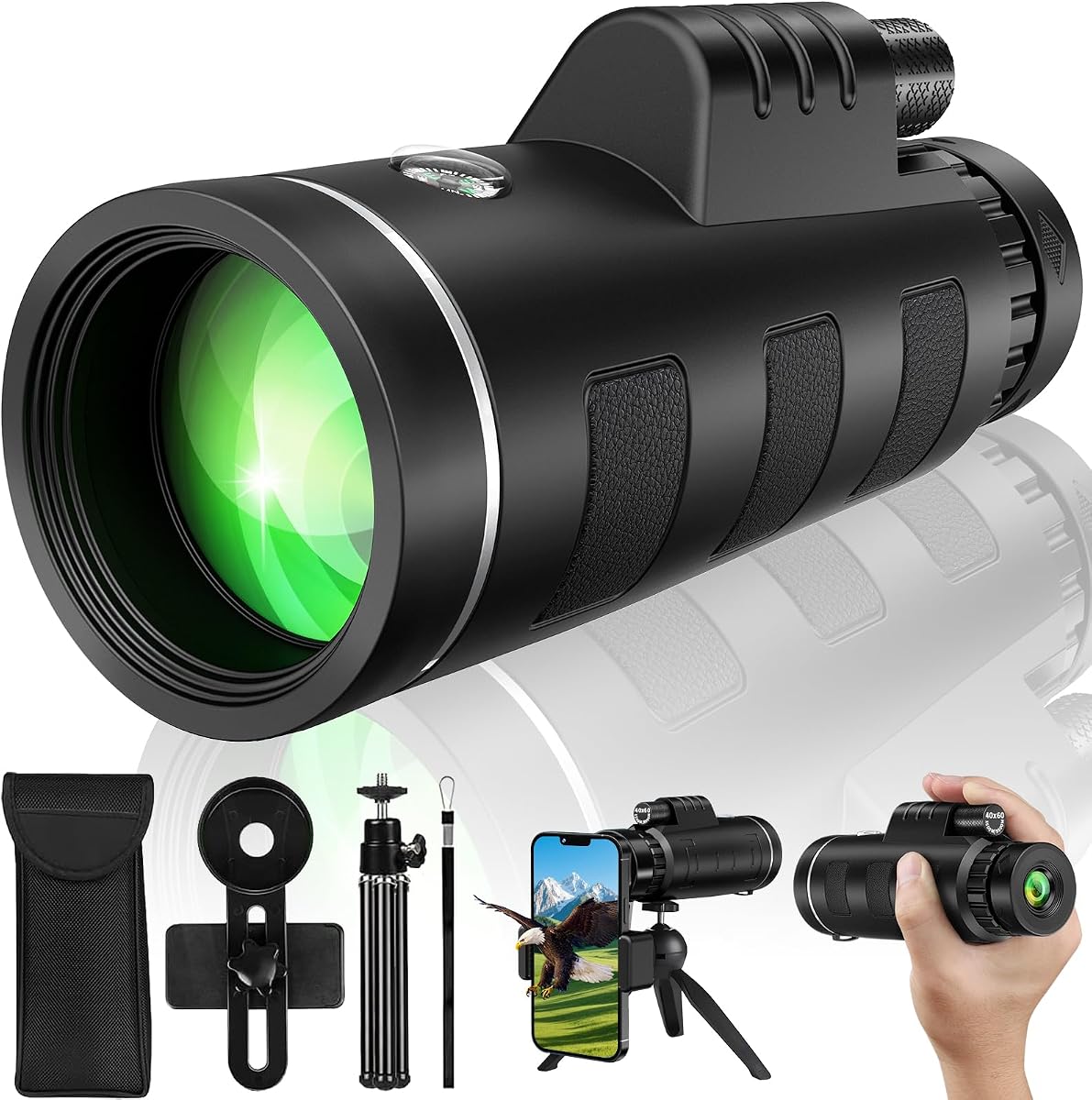
Mastering the 40x60 Monocular: Precision Viewing for Sports and Nature
When choosing a compact HD monocular like the 40x60 model, you're balancing magnification power with portability for activities ranging from soccer games to birdwatching. This specific 40x60 configuration offers a 40x magnification and a 60mm objective lens, which is ideal for detailed long-distance viewing but requires steady handling or a tripod for best results. Understanding how these specs translate to real-world performance is key to a satisfying purchase.
Key Considerations Before Buying
- Magnification vs. Stability: A 40x magnification is powerful, but it amplifies hand shake; consider if you'll use a tripod or if a lower power (e.g., 10-12x) would be more practical for handheld use at concerts or hikes.
- Lens Quality and Coatings: Look for fully multi-coated optics to ensure bright, clear images in low light, such as at evening soccer games or dawn birdwatching—this directly impacts the HD clarity promised.
- Field of View and Eye Relief: For fast-moving sports or wildlife, a wider field of view helps track subjects; also, check eye relief if you wear glasses, as it affects comfort during extended viewing.
What Our Analysts Recommend
Quality indicators include fully multi-coated lenses for maximum light transmission, a durable rubber-armored body for outdoor use, and a robust focusing mechanism that remains smooth over time. Additionally, check for waterproofing or fog-proofing (e.g., nitrogen-filled) if you plan to use it in damp conditions like camping or hiking.
Monoculars Market Context
Market Overview
The monocular market has expanded rapidly with affordable high-power models like this 40x60, appealing to outdoor enthusiasts and event-goers seeking a lighter alternative to binoculars. However, many budget options overstate magnification or lack optical quality, making it crucial to scrutinize lens coatings and build materials.
Common Issues
Common problems include chromatic aberration (color fringing) at high magnifications, narrow fields of view that make tracking objects difficult, and eyepieces that are uncomfortable for glasses wearers. Some models also fail to deliver true HD clarity due to poor glass quality.
Quality Indicators
To identify quality, look for ED (extra-low dispersion) glass to reduce color fringing, phase-corrected prisms (for roof prism designs), and a warranty that indicates manufacturer confidence. Verified reviews mentioning specific use cases (e.g., 'clear at 100 yards') are more reliable than generic praise.
Review Authenticity Insights
Grade B Interpretation
With a Review Authenticity Grade of B and an estimated 10% fake review rate, this product shows strong credibility but warrants caution. The grade suggests most reviews are genuine, but a small subset may be incentivized or from unverified sources, potentially inflating the 5.00/5 rating slightly to an adjusted 4.80/5.
Trust Recommendation
You can trust the majority of positive feedback, especially from verified purchasers who describe specific scenarios like 'using at a soccer game' or 'birdwatching in twilight.' However, be skeptical of overly brief or generic five-star reviews, and focus on those that mention both pros and cons for a balanced view.
Tips for Reading Reviews
For monoculars, prioritize reviews that detail optical performance (e.g., 'sharp at 40x but needs tripod'), build quality, and ease of use in your intended activity. Look for photos or videos in reviews to verify real-world image quality, and note any comments about eye relief or field of view.
Expert Perspective
This 40x60 monocular offers exceptional value for its price point, especially given the high adjusted rating of 4.80/5 from mostly authentic reviews. The powerful magnification suits dedicated users at sports events or nature observation, but the 10% fake review rate suggests some overhyped claims—likely about 'HD' clarity that may not match premium optics. Overall, it's a solid choice for those who understand the trade-offs of high power in a compact form.
Purchase Considerations
Weigh your need for portability against the stability required for 40x magnification; if you're primarily hiking or at concerts, a lower-power (e.g., 12x) model might be more practical. Also, consider investing in a small tripod or monopod to unlock the full potential of this scope for birdwatching or stargazing.
Comparing Alternatives
Shoppers should compare this model with similar 40x60 options from brands like Celestron or Gosky, which may offer better lens coatings or warranty terms, and consider lower-magnification monoculars (e.g., 10x42) for all-around versatility.


