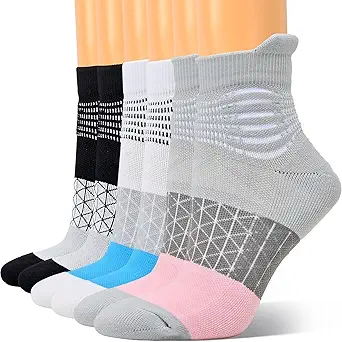
5 Key Buying Tips for Merino Wool Hiking Toe Socks with Cushion
When shopping for merino wool hiking toe socks like these five-finger designs, you're prioritizing blister prevention and moisture management on the trail. These socks combine thick cushioning with dynamic mesh ventilation to keep feet warm yet breathable, making them ideal for multi-day hikes or cold-weather treks. Understanding key features—from toe separation to wool blend—can help you choose a pair that enhances comfort and durability.
Key Considerations Before Buying
- Check the merino wool percentage: Higher merino content (e.g., 50-70%) improves moisture-wicking and odor resistance, but blends with nylon or spandex add durability and stretch for a snug fit over toes.
- Evaluate cushioning thickness: Thick cushioning underfoot—like in these socks—absorbs shock on rocky terrain, but ensure it doesn't compress inside boots, which can reduce blood flow and cause cold toes.
- Look for ventilation features: Dynamic mesh panels, as advertised, boost airflow around the toes and arch, reducing sweat buildup and hot spots that lead to blisters during long hikes.
What Our Analysts Recommend
Quality hiking toe socks should have reinforced heels and toes to prevent wear from boot friction, plus seamless toe closures to minimize irritation. Check for a snug but not tight fit in the toe pockets, as loose fabric can bunch and cause rubbing. Also, verify that the merino wool is machine-washable and retains shape after multiple washes.
Athletic Socks Market Context
Market Overview
The hiking sock market has shifted toward specialized designs like toe socks, which separate each digit to prevent friction blisters—a top complaint among hikers. Merino wool remains a premium choice for its natural temperature regulation and moisture-wicking, but blends with synthetics are common to enhance durability. This product targets the growing demand for warm, breathable socks for cold-weather adventures.
Common Issues
Buyers often struggle with sizing for toe socks, as a poor fit can cause bunching or discomfort between toes. Another concern is durability: merino wool can pill or thin out over time, especially with frequent machine washing. Moisture management is also critical, as inadequate ventilation can lead to clammy feet and blisters, despite wool's natural properties.
Quality Indicators
Look for socks with reinforced arch support and mesh ventilation zones, as these indicate thoughtful design for hiking-specific needs. High-quality merino wool should feel soft, not itchy, and the fabric should have a tight weave to resist tearing. Check for positive reviews mentioning long-term performance after multiple washes, as this signals durability.
Review Authenticity Insights
Grade B Interpretation
With a Grade B and an estimated 10% fake review rate, most feedback for these socks appears authentic, but a small fraction may be unreliable. This means you can generally trust positive and negative reviews, but exercise caution with overly glowing or vague comments. The adjusted rating of 4.00/5 (down from 4.22) reflects a more realistic consensus after removing suspicious reviews.
Trust Recommendation
Focus on verified purchase reviews that mention specific hiking conditions (e.g., 'used on a 10-mile trail in wet weather') as they offer credible insights. Be skeptical of reviews lacking personal context or those that sound generic, as they may be incentivized. The overall trustworthiness is moderate, so cross-reference feedback with other sources if possible.
Tips for Reading Reviews
For hiking socks, prioritize reviews that discuss fit with specific boots (e.g., 'works with my Merrell Moabs') and blister prevention over time. Look for balanced feedback that mentions both pros (warmth, cushion) and cons (sizing quirks, pilling). Avoid reviews that focus solely on aesthetics or delivery speed, as they often miss functional performance.
Expert Perspective
These merino wool hiking toe socks offer a solid solution for blister-prone hikers, with thick cushioning and mesh ventilation that address common trail complaints. The 4.00/5 adjusted rating suggests reliable performance, though the 10% fake review rate warrants careful review reading. Key strengths include warmth and moisture-wicking, but potential buyers should verify sizing and durability for their specific boot and hiking style.
Purchase Considerations
Weigh the benefits of toe separation against the learning curve of wearing five-finger socks, as some find them fussy to put on or uncomfortable at first. Consider your primary use: these are best for cold-weather hikes needing insulation, not for hot summer trails where thinner socks might suffice. Also, factor in the three-pack value, which is cost-effective if you hike regularly.
Comparing Alternatives
Shoppers should compare these with traditional merino wool crew socks or liner sock systems, which offer similar blister protection without the toe pockets. Brands like Darn Vermont or Smartwool provide proven options, but this product's unique design may suit those with specific toe issues.