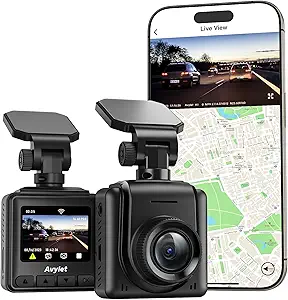
How to Choose a 4K Dual-Channel Dash Cam That Actually Delivers
The BOTSLAB G980H pairs a 4K front camera with a rear unit and includes a 64GB card, a combination that targets drivers who want full-coverage evidence without buying accessories separately. With STARVIS sensors and a 2026 refresh, it competes in the crowded dual-channel segment where video clarity and reliability matter more than flashy extras.
Key Considerations Before Buying
- Sensor and resolution: STARVIS sensors excel in low light, but true 4K front recording with a simultaneous rear feed requires a processor that can handle both streams without dropping frames. Confirm the rear camera's resolution, as many dual setups downgrade the rear to 1080p.
- Storage and loop recording: The included 64GB card is a convenience, but 4K footage consumes space quickly. Check whether the camera supports higher-capacity cards (128GB or 256GB) and reliable loop recording that overwrites old files without gaps.
- Installation and power: Dual-channel dash cams need routing to the rear window and a stable power source. Consider whether you want parking mode (requires hardwiring) and if the provided cable lengths suit your vehicle's size.
What Our Analysts Recommend
Prioritize dash cams with clearly stated sensor models (like STARVIS), honest frame-rate specs, and a track record of firmware stability. Look for user reports on night-time license plate capture and heat resistance, since dash cams often fail in hot climates. A reputable warranty and responsive support are also strong quality signals.
On-Dash Cameras Market Context
Market Overview
The dash cam market is saturated with budget options, but the mid-tier ($150–$250) is where meaningful jumps in video quality and reliability occur. Dual-channel systems are increasingly standard as drivers seek comprehensive coverage, and 4K front recording is becoming the expected baseline rather than a premium feature.
Common Issues
Buyers frequently complain about misleading resolution claims, where '4K' only applies to interpolated footage or the front camera while the rear is subpar. Overheating, failed SD cards, and app connectivity problems are also recurring pain points, especially in sub-$200 units. Night-time performance often falls short of daytime samples.
Quality Indicators
A dash cam's true quality shows in its low-light footage, heat tolerance, and firmware support. Brands that specify sensor models, publish raw sample videos, and offer regular firmware updates tend to be more trustworthy. Physical design details like a capacitor instead of a battery also signal better durability in high temperatures.
Review Authenticity Insights
Grade B Interpretation
A Grade B authenticity rating with an estimated 15% fake reviews suggests the BOTSLAB G980H's 4.44-star average is somewhat inflated. The adjusted 4.10 rating, while still positive, indicates that genuine user experiences are likely more mixed than the headline score implies, particularly regarding long-term reliability.
Trust Recommendation
Focus on reviews that mention specific use cases, installation details, or comparisons to other dash cams—these are harder to fake. Pay attention to the 1-star reviews with detailed complaints, as they often highlight recurring issues like app glitches or night vision limitations that satisfied reviewers may overlook.
Tips for Reading Reviews
Look for reviews with photos or videos of actual footage, as they provide undeniable proof of performance. Sort by 'Recent' to see if quality has changed with the 2026 upgrade, and be wary of reviews that only praise without mentioning any drawbacks—they may be incentivized.
Expert Perspective
The BOTSLAB G980H offers a compelling package on paper: 4K front, STARVIS sensors, and a bundled 64GB card at a competitive price. However, the adjusted rating of 4.10 and 15% fake review estimate suggest that while many users are satisfied, a notable minority encounter issues. Its true value depends on whether the rear camera and night performance live up to the 4K billing, which is where budget dual-channel cams often cut corners.
Purchase Considerations
Weigh the convenience of an included memory card and dual-channel setup against potential reliability concerns. If you need dependable parking mode or frequent long drives, a higher-end brand with proven heat management might be worth the extra cost. For basic front-and-rear coverage, this could suffice if you're willing to test thoroughly during the return window.
Comparing Alternatives
Before buying, compare with established dual-channel dash cams from brands like Viofo, Nextbase, or Thinkware, which often have more transparent performance data and robust support.