Cordless Robotic Pool Cleaners: What to Know Before You Buy
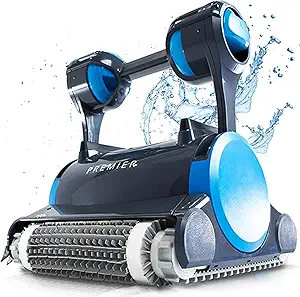
Cordless robotic pool cleaners like this 2026 model with a 180-minute runtime and dual motors promise tangle-free cleaning, but battery life and suction power vary widely. Understanding how runtime, motor configuration, and debris capacity interact will help you match a cleaner to your pool's size and debris load.
Key Considerations Before Buying
- Runtime vs. pool size: A 180-minute runtime suits most residential pools up to about 30 feet, but larger or heavily debris-laden pools may need a second cleaning cycle or a model with longer endurance.
- Dual-motor design: Two motors typically separate drive and suction functions, improving climbing ability on walls and steps, but check whether both motors are independently controlled for better efficiency.
- Debris capacity and filtration: Look for a large, easy-to-empty filter basket with fine mesh or multi-layer filtration; small baskets fill quickly in leafy pools, forcing frequent interruptions.
What Our Analysts Recommend
Prioritize models with a proven battery management system, as runtime claims often drop in real-world use, especially in cold water. Also check the warranty length and availability of replacement parts like brushes and filters, since cordless units rely on user-serviceable components.
Robotic Pool Cleaners Market Context
Market Overview
Cordless robotic pool cleaners are a fast-growing segment, driven by demand for hassle-free, cord-free operation. However, the market is flooded with new brands and iterative models, making it hard to distinguish genuine innovation from marketing hype.
Common Issues
Common complaints include shorter-than-advertised battery life, weak wall-climbing performance, and difficulty navigating complex pool shapes. Some units also struggle with fine debris like sand or algae, requiring multiple passes.
Quality Indicators
Reliable brands typically publish detailed specs (e.g., suction rate, filter micron rating) and offer robust customer support. Look for reviews that mention long-term durability and ease of maintenance, not just initial performance.
Review Authenticity Insights
Grade B Interpretation
An A authenticity grade with an estimated 8% fake reviews indicates that most reviews are genuine, but a small portion may be incentivized. This is relatively low for the category, suggesting the 3.89-star rating is largely trustworthy.
Trust Recommendation
Given the adjusted rating of 3.70, expect a mix of satisfied and disappointed customers. Focus on reviews that detail specific use cases (pool size, debris type) and mention both pros and cons.
Tips for Reading Reviews
Seek out reviews from verified purchases with photos or videos, and pay attention to comments about battery degradation over time and customer service responsiveness. Ignore generic five-star reviews with no detail.
Expert Perspective
This cordless robotic pool cleaner offers a compelling feature set—180-minute runtime and dual motors—at what is likely a competitive price point. However, the middling adjusted rating (3.70) suggests some users experience performance gaps, possibly in battery longevity or navigation. It may suit smaller, simple-shaped pools with moderate debris, but larger or complex pools might require a higher-end model.
Purchase Considerations
Weigh the convenience of cordless operation against potential runtime limitations and the need for regular filter cleaning. Consider your pool's size, shape, and debris types; if you have heavy leaf fall or fine silt, verify the filtration quality and battery performance in reviews.
Comparing Alternatives
Compare with established brands like Dolphin or Polaris, which often have more proven reliability and service networks, even if they cost more. Also check for newer models with swappable batteries for extended runtime.