Master Cross-Line Laser Accuracy: RockSeed 360° Self-Leveling Tips
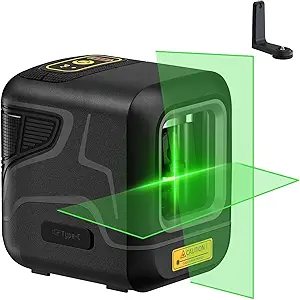
When considering a cross-line laser like the RockSeed with self-leveling and 360° rotatability, buyers should prioritize calibration stability and ease of use. This tool is designed for both DIY enthusiasts and professionals, offering vertical and horizontal lines that simplify tasks like hanging shelves or aligning cabinetry.
Key Considerations Before Buying
- Check the self-leveling range and accuracy: The RockSeed typically levels within a certain range (e.g., ±4°), and any out-of-level condition triggers a flashing line to warn you—crucial for avoiding misalignment.
- Evaluate the 360° rotatable base: This feature allows you to project lines in any direction without moving the unit, but ensure the rotation mechanism is smooth and locks securely to maintain accuracy.
- Consider the included tripod and carrying pouch: A 40-inch tripod is useful for adjusting height, but verify its stability on uneven surfaces; the pouch should protect the laser during transport.
What Our Analysts Recommend
Quality indicators in this category include a robust pendulum locking mechanism for transport, visible and sharp laser lines (even in bright conditions), and durable housing. A magnetic bracket or mounting options, if included, add versatility, but the core is consistent self-leveling performance across multiple uses.
Line Lasers Market Context
Market Overview
The line laser market has expanded rapidly with affordable options like the RockSeed, offering features once found only in high-end models. Consumers now expect self-leveling, multiple line modes, and rechargeable batteries as standard, making competition fierce on price and reliability.
Common Issues
Common problems include calibration drifting after minor drops, weak laser visibility outdoors, and battery life that doesn't match claims. Some users report the self-leveling motor failing after extended use, so checking reviews for long-term durability is essential.
Quality Indicators
Look for lasers that maintain accuracy after repeated use, have a clear specification for working range (e.g., 50 feet), and offer a warranty. Positive reviews that mention 'still accurate after months' or 'survived a job site' are strong signals of quality.
Review Authenticity Insights
Grade B Interpretation
The Grade B with an estimated 10% fake review rate suggests that while most feedback is genuine, a small fraction may be incentivized or overly positive. The adjusted rating of 4.40/5 is still strong, indicating real user satisfaction, but you should weigh critical reviews about durability or accuracy issues.
Trust Recommendation
Trust the aggregate rating but read a mix of 3-star and 4-star reviews to understand common flaws. Since 10% of reviews may be unreliable, focus on detailed, verified purchase reviews that mention specific testing methods, like comparing with a manual level.
Tips for Reading Reviews
For line lasers, look for reviews that describe using the tool in real projects (e.g., 'hung kitchen cabinets') and any mention of calibration checks. Be wary of reviews that are overly generic or lack specifics about the product's performance in different lighting or distances.
Expert Perspective
The RockSeed Cross Line Laser, with its 4.67-star rating and high review volume, appears to be a dependable choice for both DIY and light professional use. The 360° rotatable base and included tripod add significant value, but the 10% fake review rate and B grade suggest a cautious approach. The adjusted rating of 4.40 indicates that while there are some detractors, the majority of users find it accurate and user-friendly.
Purchase Considerations
Weigh the price against features: if you need a laser for occasional home projects, this model's performance and included accessories are likely sufficient. However, for daily job-site use, consider investing in a more rugged unit with a higher IP rating and a longer warranty, as budget lasers may not withstand heavy drops.
Comparing Alternatives
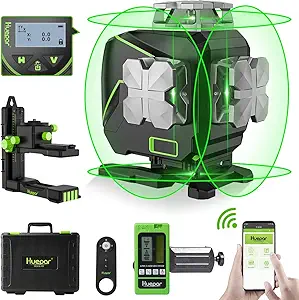
Shoppers should compare the RockSeed with other best-selling line lasers like the Huepar or Bosch models, which offer similar features but vary in build quality and accuracy specs. Price and included accessories (like batteries and tripods) can tip the balance, but always prioritize calibration reliability.