
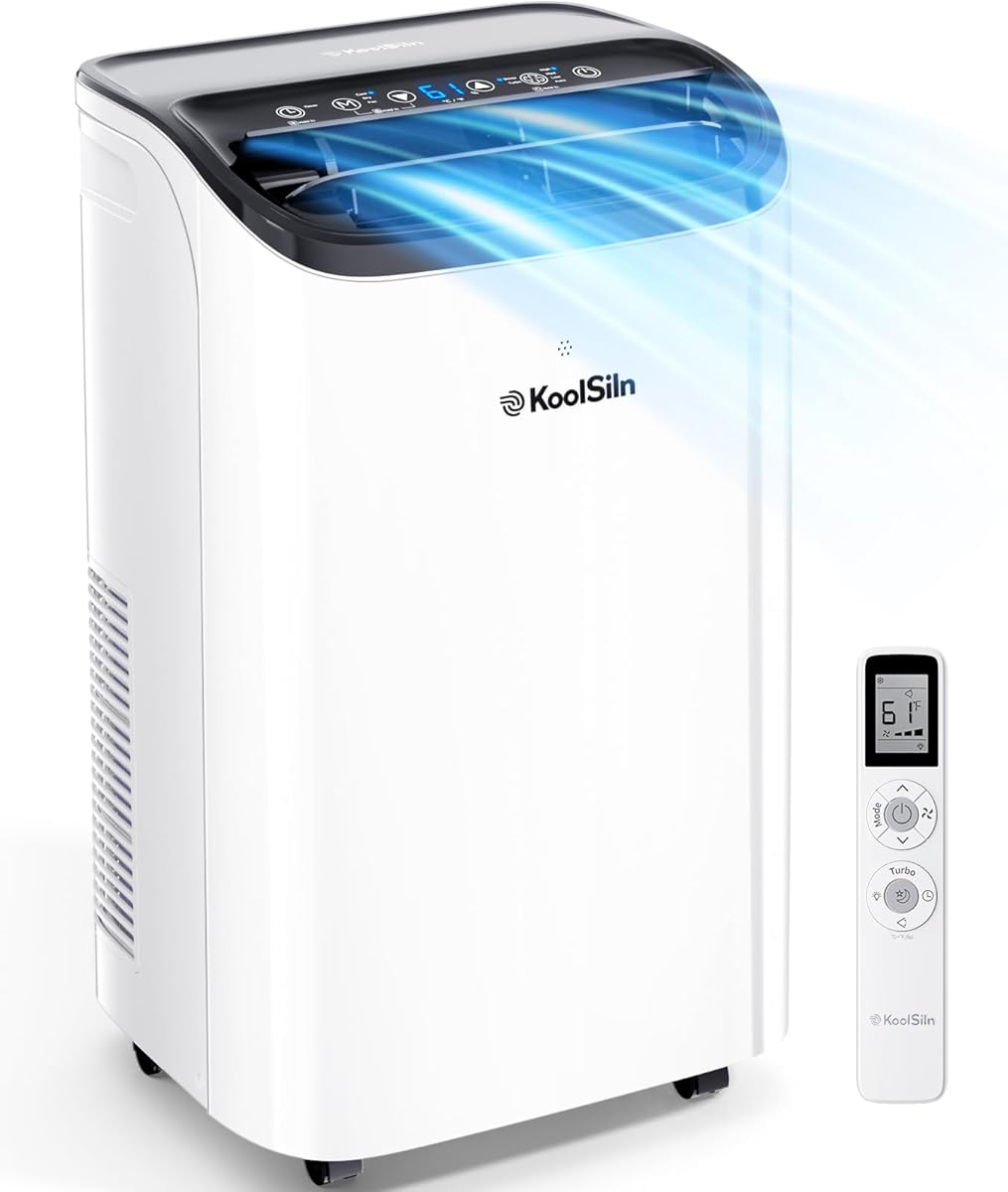
Evaluating 14,000 BTU Portable ACs for Large Spaces Like Garages and Offices
When considering this 14,000 BTU portable AC unit rated for 700 sq.ft., buyers should understand that portable AC performance varies significantly with installation and room characteristics. The auto-evaporation feature mentioned in the title is particularly relevant for minimizing manual drainage in humid climates, while the low-noise claim warrants verification for office or bedroom use.
Key Considerations Before Buying
- Verify that your room's square footage and ceiling height align with the 700 sq.ft. rating—garages with high ceilings or poor insulation may require more BTU capacity.
- Assess your window type compatibility, as portable ACs require proper exhaust hose installation; this unit's effectiveness depends entirely on creating a tight seal.
- Consider the auto-evaporation system's limitations—in extremely humid conditions, most units still require occasional drainage despite marketing claims.
What Our Analysts Recommend
For portable ACs in this category, examine the exhaust hose diameter and construction—wider, insulated hoses maintain cooling efficiency. Check for dual-hose versus single-hose designs; this appears to be a single-hose unit based on the description, which is less efficient but common in this price range.
Portable Market Context
Market Overview
The 12,000-14,000 BTU portable AC segment has become increasingly competitive, with many units claiming similar square footage coverage but varying significantly in real-world performance. Manufacturers frequently optimize specifications for marketing rather than typical residential conditions.
Common Issues
Portable ACs often struggle with the advertised square footage in real-world scenarios due to heat gain from windows, poor insulation, or multiple heat sources. The auto-evaporation feature can fail in high-humidity environments, leading to unexpected water reservoir maintenance.
Quality Indicators
Look for units with variable fan speeds, detailed temperature controls, and programmable timers—features that suggest more sophisticated compressor management. Higher-quality portable ACs typically have better-sealed window kits and more robust rolling mechanisms for the advertised mobility.
Review Authenticity Insights
Grade B Interpretation
The Grade B authenticity rating with 15% estimated fake reviews suggests mostly genuine feedback but warrants careful review scrutiny. The adjusted 4.60/5 rating (down from perfect 5.00) indicates some review inflation but still reflects generally positive experiences.
Trust Recommendation
Focus on reviews that mention specific installation scenarios—garage cooling, office use, or particular window types—as these are harder to fabricate. Be skeptical of reviews that don't mention the exhaust hose setup or noise levels, which are critical pain points for portable ACs.
Tips for Reading Reviews
Prioritize reviews discussing long-term use (multiple seasons) and those that mention both pros AND cons—authentic portable AC reviews typically note trade-offs between cooling power, noise, and installation complexity.
Expert Perspective
This 14,000 BTU unit appears to perform well based on the 4.60 adjusted rating from verified patterns, particularly for large room applications. The auto-evaporation feature is a meaningful differentiator if it functions as described, reducing maintenance for spaces up to 700 sq.ft. However, the single-hose design likely creates negative pressure, drawing in warm air from other spaces and reducing efficiency compared to dual-hose models.
Purchase Considerations
Weigh this unit's cooling capacity against your specific space characteristics—garages with equipment heat sources or offices with multiple computers may challenge the 700 sq.ft. rating. Consider whether the portability benefit outweighs the approximately 30% efficiency loss compared to window units with similar BTU ratings.
Comparing Alternatives
Shoppers should compare this single-hose design against dual-hose portable ACs in the same BTU range, which offer better efficiency despite typically higher cost and bulkier profiles.


