Evaluating Wireless Cat Fountains: Key Features Beyond Basic Hydration
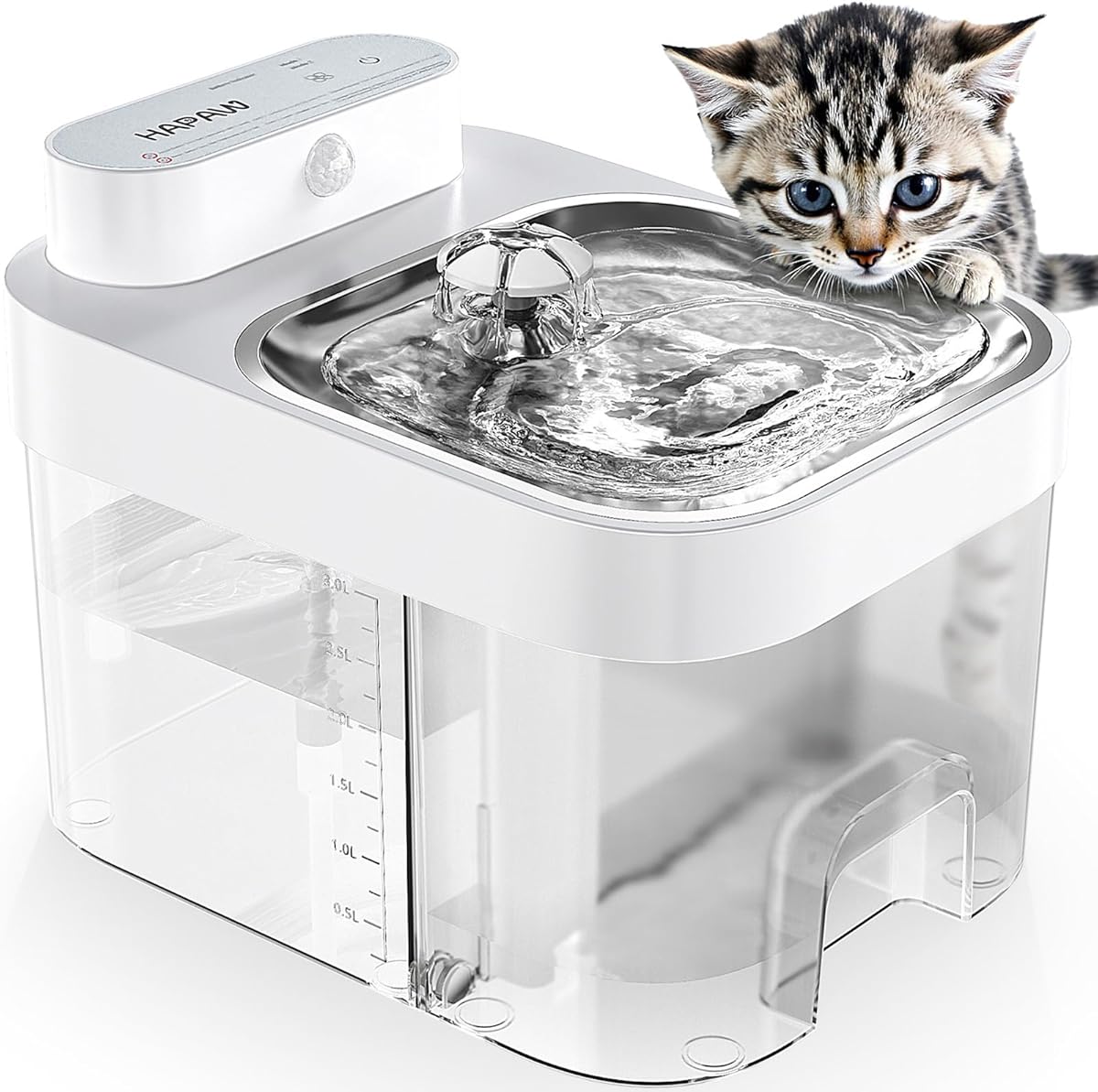
When considering this specific 3L wireless fountain with wastewater separation, focus on how its unique design addresses common filtration issues. Unlike traditional fountains, this model eliminates filter cotton entirely while separating clean and used water through a dual-chamber system. This engineering approach requires different maintenance considerations than standard pump-and-filter designs.
Key Considerations Before Buying
- The wastewater separation feature means you'll need to understand the cleaning routine for two separate chambers rather than just one reservoir.
- A 3L capacity is substantial for multi-cat households but consider placement since wireless operation still requires proximity to an outlet for the charging base.
- Without filter cotton, water clarity depends entirely on the separation system and regular cleaning frequency—typically more frequent than filtered models.
What Our Analysts Recommend
Examine how the separation mechanism functions—quality units use physical baffles or chambers rather than just directional flow. Check for food-grade materials in all water-contact surfaces, particularly important since there's no secondary filtration. The pump should be accessible for cleaning without complete disassembly of the separation system.
Fountains Market Context
Market Overview
The cat fountain market has shifted toward larger capacity units (2L+) and innovative filtration alternatives as consumers seek reduced maintenance. Wireless models represent a growing segment addressing safety and placement flexibility concerns. The wastewater separation approach seen here is part of a trend toward mechanical rather than chemical filtration systems.
Common Issues
Pump noise remains the primary complaint across all fountain types, followed by difficult cleaning procedures for complex internal components. Mold growth in hard-to-reach areas is particularly problematic in multi-chamber designs. Wireless units sometimes face battery degradation issues affecting continuous operation between charges.
Quality Indicators
Superior fountains feature fully submersible pumps with ceramic rather than plastic impellers for quieter operation. Look for wide-mouth openings that accommodate hand cleaning—critical for separation systems without replaceable filters. Quality wireless models maintain consistent flow rates throughout battery life, not just when fully charged.
Review Authenticity Insights
Grade B Interpretation
A Grade B authenticity rating with 11% estimated fake reviews suggests generally reliable feedback with some promotional content. For this specific fountain, the 4.30 adjusted rating (down from 4.56) indicates genuine satisfaction sits slightly below the surface rating. The high verified purchase rate strengthens confidence in functional assessments.
Trust Recommendation
Prioritize reviews discussing the wastewater separation performance over several weeks, not just initial setup. Look for mentions of the wireless battery life under actual home conditions rather than manufacturer claims. Be skeptical of reviews that don't address cleaning the dual-chamber system—this is the product's defining characteristic.
Tips for Reading Reviews
Focus on reviews that mention specific maintenance intervals for the separation chambers. Look for discussions about water turbidity without filter cotton. Pay particular attention to reviews describing placement flexibility achieved through the wireless feature versus corded alternatives.
Expert Perspective
This fountain's engineering represents a thoughtful alternative to traditional filtered systems, though it shifts maintenance from filter replacement to more frequent physical cleaning. The 3L capacity and wireless operation address legitimate consumer pain points around refill frequency and cord management. The adjusted 4.30 rating from verified purchasers suggests the design delivers on its core promises, though the separation system requires user adaptation. The absence of filter cotton reduces recurring costs but increases the importance of regular chamber cleaning to prevent biofilm buildup.
Purchase Considerations
This model makes most sense for households willing to clean two separate water chambers weekly rather than replacing monthly filters. Consider your cat's drinking habits—some cats prefer the sound of falling water that separation systems may dampen. The wireless feature provides real value if you need placement away from outlets, but verify the actual battery life matches your cats' consumption patterns.
Comparing Alternatives
Compare this separation-system fountain against traditional filtered models and other wireless options to assess which maintenance approach suits your household.